






The Gentle Art of Moving Meditation
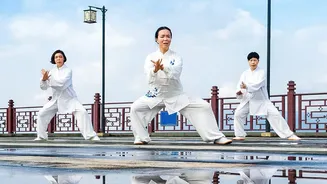
Originally developed as a martial art in ancient China, Tai Chi has evolved into a practice cherished worldwide for its health benefits. It is often described as “meditation in motion.” The practice involves a series of slow, graceful, and continuous
movements paired with deep, focused breathing. Unlike high-impact workouts, Tai Chi is a low-impact exercise, making it accessible to people of all ages and fitness levels. The core idea is to cultivate the flow of 'qi', or life energy, to achieve a state of harmony between mind and body. Each posture flows into the next without pause, ensuring that your body is in constant motion.
More Than Just Slow Motion
Don't let the gentle pace fool you; Tai Chi offers significant physical rewards. Consistent practice has been shown to improve balance, flexibility, and muscle strength. Studies have demonstrated its effectiveness in reducing the risk of falls, particularly among older adults. The movements help lubricate joints, which can relieve pain and stiffness associated with conditions like osteoarthritis. Furthermore, Tai Chi can enhance aerobic capacity, especially in those who are new to regular exercise, and may help lower blood pressure and improve overall cardiovascular fitness.
Finding Calm in the Flow
Perhaps the most celebrated benefits of Tai Chi are mental and emotional. The intense focus on movement and breath stills the constant chatter of the mind, promoting a deep sense of calm and reducing stress and anxiety. This form of eco-mindfulness helps shift your nervous system from a state of high alert to one of rest and recovery. Research shows that this mindful movement can improve mood, sharpen concentration, and even lead to better quality sleep. It’s a workout for your mind as much as it is for your body, helping you feel more centered and present.
The Power of a Natural Setting
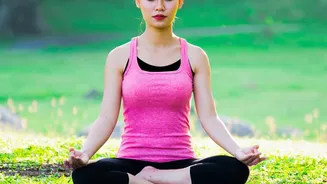
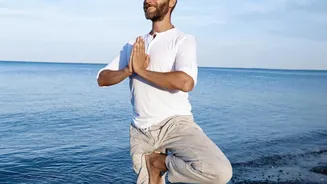
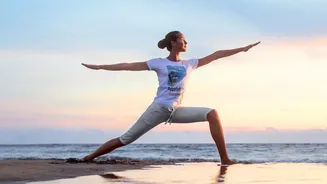
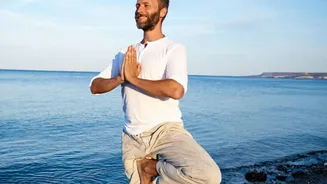
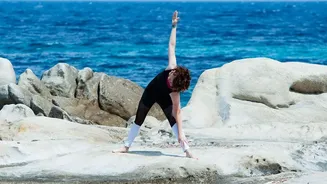
Taking your Tai Chi practice outdoors supercharges its effects. This concept, often called 'green exercise', combines physical activity with exposure to nature, and research suggests it provides greater mental health benefits than indoor workouts. The simple act of being in a park or garden can lower stress levels. Practicing on uneven ground like grass or sand challenges and improves your balance and core strength in a way a flat studio floor cannot. The fresh air encourages fuller breathing, improving oxygen circulation, while natural sunlight provides a dose of Vitamin D. The sounds of rustling leaves and birdsong provide a calming, natural soundtrack that enhances the meditative experience, helping to restore mental fatigue and boost feelings of well-being.
How to Get Started
Starting with Tai Chi outdoors is simple. Many public parks in cities across India now host morning classes for all levels. These group settings are welcoming and provide a sense of community. If you prefer to start on your own, there are numerous high-quality instructional videos available online for beginners. You don’t need any special equipment—just loose, comfortable clothing that allows you to move freely. Find a quiet spot in a local park, your garden, or even a balcony. The goal is not perfection, but participation. Start with just 10-15 minutes a day, focusing on the flow of the movements and your breath. Consistency is more important than duration, and you’ll soon begin to feel the harmonious benefits of this ancient practice.