






The Driving Force: A Quest for Convenience
The primary engine behind the protein surge is the modern consumer's relentless pursuit of convenience. Hectic schedules and the blurring lines between work and home have dramatically changed eating habits. For many, traditional sit-down meals are becoming
less practical, leading to a greater reliance on on-the-go options that deliver nutrition without demanding time. Consumers are increasingly looking for foods that can be eaten quickly and provide a sense of satiety and health benefits. Protein has become a hero ingredient because it is widely associated with sustained energy, muscle support, and feeling fuller for longer. This makes a protein-fortified snack or drink an attractive and simple solution for a busy professional, a parent juggling multiple tasks, or anyone needing a quick nutritional boost. In fact, for the first time in over two decades of surveys, convenience has recently overtaken healthfulness as a key driver in food purchases, trailing only taste and price.
Beyond the Shaker Bottle
For years, protein supplements were synonymous with chalky powders and post-workout shakes. Today, that landscape is virtually unrecognizable. Innovation has carried protein into nearly every aisle of the supermarket. Brands are fortifying familiar foods that consumers already enjoy, making it easier to adopt a higher-protein habit without drastic changes. This includes high-protein versions of cereals, pancakes, chips, and even indulgent treats like cookies and ice cream. The beverage category has also seen a massive expansion, with protein being added to ready-to-drink coffees, sparkling waters, and clear protein drinks that offer hydration with a nutritional punch. This diversification is a direct response to consumer demand for functional foods—products that do more than just fill you up. Whether the goal is weight management, muscle maintenance, or simply making a healthier choice, protein provides a clear and marketable benefit that resonates with a broad audience.
From Niche to Mainstream
Perhaps the most significant shift is in who is buying these products. Protein is no longer exclusively marketed to bodybuilders and elite athletes. The target audience is now much broader, including women, millennials, and Gen Z, who are actively seeking to increase their protein intake for overall wellness. Studies show that in India, while there is still a need for more education on protein requirements, there is a growing focus on the nutrient across digital platforms and consumer groups. Convenience and health benefits are key motivators for Indian households, where protein is increasingly seen as a daily essential for the whole family, not just gym-goers. This demographic shift has prompted brands to move away from hyper-masculine branding towards more inclusive and lifestyle-oriented marketing that highlights benefits like satiety, energy, and even beauty.
A Smart Consumer's Guide to Protein
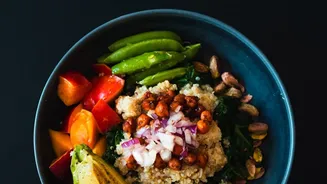
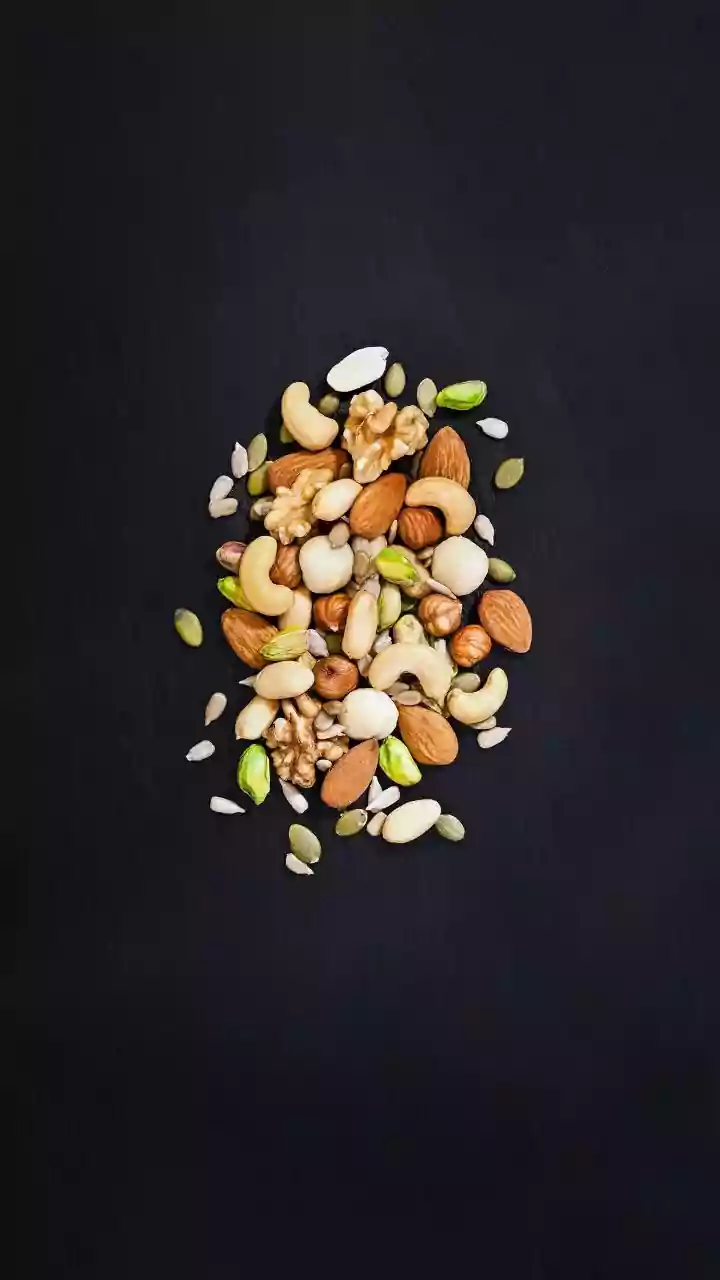
While the abundance of protein products offers convenience, it’s important to be a discerning consumer. A “high-protein” label does not automatically make a product healthy. Many convenient protein snacks, bars, and drinks can be highly processed and contain significant amounts of added sugar, unhealthy fats, or sodium, which can negate their nutritional benefits. It is crucial to read the entire nutrition label, not just the protein count on the front. Look for products with simple ingredient lists and minimal added sweeteners. In India, market growth has also brought challenges with product quality and authenticity, with some studies finding issues like mislabelling. Choosing products from reputable brands that prioritize transparency and third-party testing can provide greater assurance. Ultimately, while fortified foods can be a helpful supplement, the best sources of protein remain whole foods like lean meats, fish, eggs, dairy, beans, lentils, and nuts.