




The Appetite-Suppressing Effect
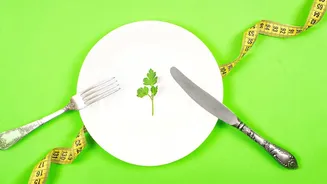
Glucagon-like peptide-1 (GLP-1) agonists work by mimicking a hormone that tells your brain you're full and slows down how quickly your stomach empties. This powerful one-two punch leads to a significant drop in calorie intake because you feel less hungry
and satisfied with smaller amounts of food. While this is the intended effect for weight loss, it creates a new challenge: when you're eating far less, the nutritional quality of every single bite becomes more important than ever.
The Hidden Risk: Muscle Loss and Nutrient Gaps
When weight comes off rapidly, it’s not just fat that you lose. A significant portion, sometimes up to 40%, can be lean mass, which includes muscle. This isn't a direct side effect of the drug itself, but a consequence of rapid weight loss combined with inadequate nutrition. Losing muscle can slow your metabolism, reduce strength, and compromise long-term health. Furthermore, a drastically reduced food intake can lead to deficiencies in essential vitamins and minerals, such as Vitamin D, B12, iron, and calcium, leaving you feeling fatigued and weak.
Protein: Your Top Priority for Muscle Preservation
To counteract the risk of muscle loss, protein intake becomes the most critical nutritional focus. Protein provides the building blocks your body needs to maintain muscle tissue, especially during a period of calorie deficit. So, how much is enough? Many experts recommend aiming for 1.2 to 2.0 grams of protein per kilogram of your body weight daily. For someone weighing 90 kg, that’s about 108 to 180 grams per day. Since feeling full happens quickly on these medications, it’s wise to eat your protein source first at every meal to ensure you meet your target before your appetite disappears.
Making Every Bite Count with Micronutrients
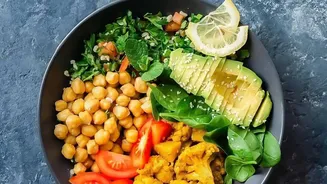
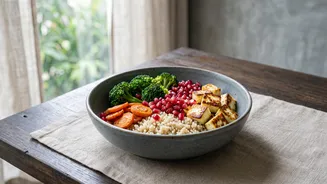
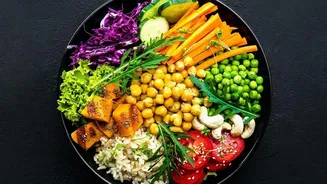
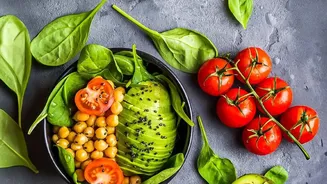
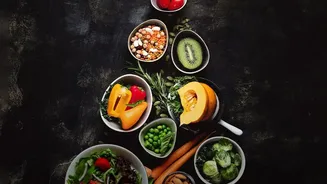
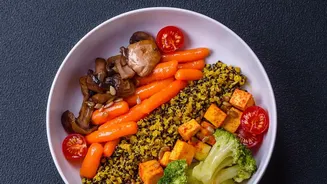
With a smaller caloric budget, you can't afford to waste it on empty calories from ultra-processed or sugary foods. These foods can also worsen common side effects like nausea. Instead, focus on nutrient-dense foods: lean proteins, fruits, vegetables, and whole grains. These foods deliver the vitamins, minerals, and fibre your body needs to function optimally. Fibre is especially important, as it helps manage another common side effect: constipation. Pairing adequate fibre with plenty of water is key for digestive comfort.
Practical Tips for a Balanced Plate
Eating on a GLP-1 medication isn't about restriction; it's about strategic nourishment. Instead of three large meals, consider several smaller, nutrient-packed mini-meals throughout the day. Prioritise a protein source at each one, like Greek yoghurt, cottage cheese, eggs, poultry, fish, or tofu. Add fibre with vegetables, beans, or a sprinkle of chia seeds. If you struggle to eat enough solid food, a high-quality protein shake can be a convenient way to meet your nutritional goals without feeling uncomfortably full.