





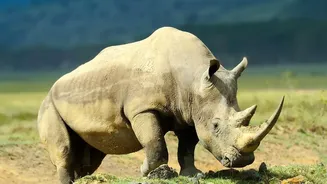
A Conservation Milestone
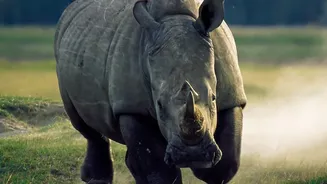
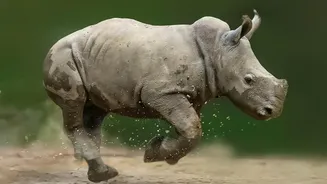
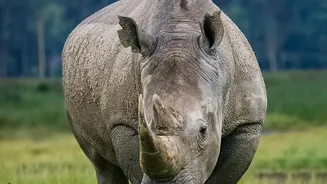
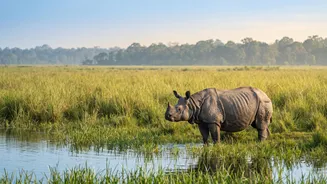
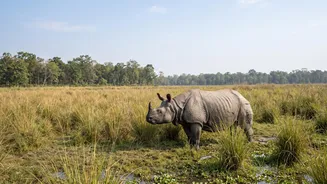
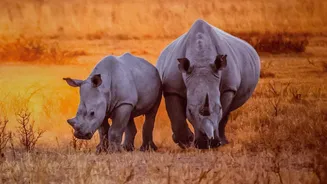
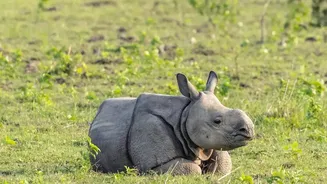
The fourth rhino census, conducted in June 2026, has confirmed that the greater one-horned rhinoceros population in Uttar Pradesh's Dudhwa Tiger Reserve (DTR) has risen to 53. This figure includes 17 adult males, 25 adult females, and 11 sub-adults and calves.
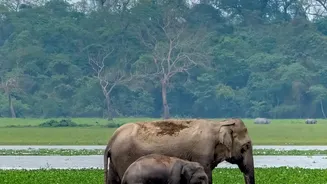
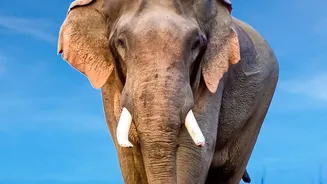
The count shows a net increase of five rhinos since the last census, a heartening development for conservationists, even after accounting for the recent deaths of three individuals due to natural causes like territorial fights and predation. Officials have hailed this steady growth as a major success, underscoring the effectiveness of the long-term rhino rehabilitation program. The census was a meticulous exercise, carried out by 20 teams of trained forest personnel and staff from WWF-India, who surveyed the reserve's grasslands and marshes on elephant back.
From Local Extinction to a Thriving Return
The presence of any rhinos in Dudhwa is a modern conservation marvel. The greater one-horned rhino was once widespread across the Gangetic plains but was wiped out from this region over a century ago due to hunting and habitat loss. The turnaround began in 1984 with an ambitious reintroduction program. This historic initiative involved translocating a small founder population—seven rhinos in total—from Assam and Nepal into a specially prepared, fenced enclosure within Dudhwa. After some initial setbacks, this small group formed the seed of today's thriving population. The project was born out of a recommendation in 1979 by the IUCN's Asian Rhino Specialist Group to establish new populations within the species' former range, with Dudhwa being identified as a suitable habitat.
The Strategy Behind the Success
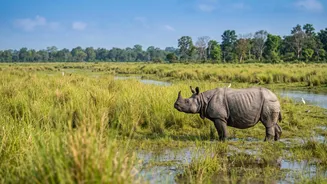
The growth of Dudhwa's rhino population is not accidental. It is the result of a multi-pronged strategy. A key element is the use of two large, protected enclosures known as Rhino Rehabilitation Areas (RR1 and RR2). These zones allow the animals to breed and live in a semi-wild, protected state, safe from poaching and with reduced threats. As of the latest count, six rhinos are housed in RR1 and 36 in RR2. To tackle the long-term risk of inbreeding within this enclosed population, a crucial new phase has begun: rewilding. Since late 2024, select rhinos have been fitted with radio collars and released from the enclosures to roam freely in the reserve's core habitat. This initiative aims to establish a genetically diverse, self-sustaining wild population. The latest census confirms that 11 rhinos are now living completely in the wild, a significant step towards the program's ultimate goal.
Challenges That Remain on the Path Ahead
Despite the celebratory news, challenges persist. Natural threats remain a part of life in the wild. The recent deaths of a female rhino killed by tigers and two calves lost to a territorial male rhino are stark reminders of the perils these animals face. As more rhinos are released into the wild, the potential for human-wildlife conflict increases, requiring constant monitoring and rapid response teams to prevent rhinos from straying into nearby farms and villages. Furthermore, ensuring long-term genetic health requires careful management to avoid the pitfalls of inbreeding in a relatively small and isolated population. The success of the free-ranging rhinos will depend on their ability to adapt, establish stable territories, and coexist with other large animals like tigers and elephants in the shared landscape of the Terai region.