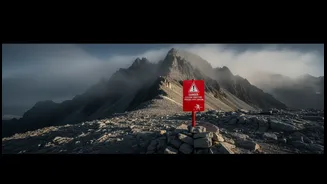










Why Altitude Matters
Once you ascend above 8,000 feet (about 2,500 meters), the air pressure drops significantly. While the percentage of oxygen in the air remains the same, the lower pressure means your body gets less oxygen with each breath. This can lead to a condition
known as Acute Mountain Sickness (AMS), which can affect anyone, regardless of age or fitness level. Symptoms often mimic a bad hangover: headache, nausea, fatigue, dizziness, and trouble sleeping. They typically appear within a few hours to a day after arrival. The key to avoiding this unpleasant start to your holiday is acclimatization—giving your body the time it needs to adapt.
The First 24 Hours: Rest and Hydrate
The golden rule for your first day at altitude is to take it easy. Your body is already working overtime to adjust, so avoid adding any extra stress. This is not the day for a strenuous hike or a challenging ski run. Instead, focus on light activity, like a gentle walk on flat ground. Hydration is equally critical. The dry mountain air and increased breathing rate can lead to dehydration, so aim to drink plenty of water throughout the day. It's also wise to avoid alcohol for at least the first 48 hours, as it can interfere with acclimatization and worsen dehydration. A high-carbohydrate diet can also help your body adapt more efficiently.
The Next 24 Hours: Listen to Your Body
On your second day, you can gradually increase your activity level, but continue to pay close attention to how you feel. If you wake up with a headache or feel unusually tired, it’s a sign that your body needs more rest, not a seven-mile hike. If you feel good, consider a short, less demanding activity. The principle of “climb high, sleep low” can be beneficial; this involves taking a day trip to a slightly higher elevation but returning to a lower altitude to sleep. This gentle exposure helps your body continue to adapt without overdoing it. If symptoms of AMS appear, do not ascend any higher until they have resolved, which typically takes 24 to 48 hours.
Recognizing the Warning Signs
Mild symptoms of AMS, like a headache or fatigue, are common and usually manageable with rest, hydration, and over-the-counter pain relievers like ibuprofen. However, it is crucial to recognize the signs of more severe altitude illness, which require immediate action. If a headache worsens, or if you experience severe shortness of breath even at rest, loss of coordination, confusion, or a cough that produces frothy fluid, you must descend to a lower altitude immediately and seek medical help. These can be symptoms of High-Altitude Cerebral Edema (HACE) or High-Altitude Pulmonary Edema (HAPE), which are life-threatening emergencies.
Plan Ahead for a Smoother Trip
The best way to ensure a great high-altitude holiday is to plan for acclimatization from the start. If your schedule allows, consider spending a night at an intermediate altitude (like Denver, if heading to the Colorado Rockies) before proceeding to your final, higher destination. If you've had issues with altitude sickness before or are ascending rapidly, talk to your doctor. They may prescribe a medication like acetazolamide to help speed up the acclimatization process. It’s a simple preventative measure that can make a world of difference, allowing you to enjoy every moment of your mountain getaway.