




The Pervasive Problem of Spice Adulteration
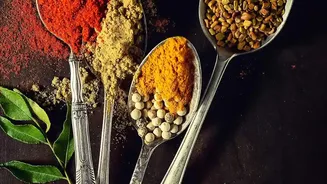
Cumin’s high demand and market value make it a prime target for adulteration. Unscrupulous sellers often mix it with cheaper substances to increase weight and profit margins, a practice that compromises not just flavour but also safety. Common adulterants
include inexpensive lookalikes such as grass seeds, which are sometimes coloured with charcoal dust to resemble real cumin. In powdered form, the risks are even greater, with potential fillers like sawdust, starch from rice or corn flour, and even fine chalk or stone dust being mixed in. These additions not only dilute the nutritional and medicinal properties of cumin but can introduce harmful substances into your food.
Health Risks of Contaminated Cumin
Consuming adulterated spices is not a trivial matter. The contaminants used can pose significant health risks, ranging from mild digestive issues to severe long-term damage. Fillers like sawdust and husk provide no nutritional value and can irritate the gut. More concerning are the artificial colours and chemicals used. Charcoal dust, for instance, can trigger respiratory issues if inhaled during cooking. Some adulterants like stone powder or dust particles may lead to indigestion and constipation with regular consumption. In some cases, toxic dyes used to colour inferior seeds have been linked to serious conditions, including organ damage and even cancer, making vigilance a crucial aspect of kitchen safety.
Test 1: The FSSAI Palm Rubbing Method
One of the simplest and most effective tests recommended by the FSSAI is the palm rubbing test, which primarily detects artificial colouring. Take a small quantity of cumin seeds in your palm and rub them vigorously for about 15-20 seconds. Now, inspect your palm. If your hands remain clean, the cumin is likely unadulterated. However, if your palm turns black or grey, it's a clear indication that the seeds have been coated with substances like charcoal dust, a common method for disguising inferior quality grass seeds. This test is quick, requires no special equipment, and is the first line of defence in screening your whole spices.
Test 2: The Simple Water Test
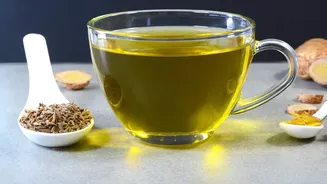
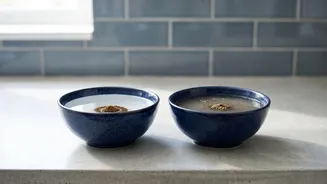
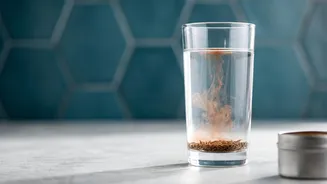
Another easy and revealing test involves a simple glass of water. Fill a transparent glass with water and drop a spoonful of cumin seeds into it. Pure, good-quality cumin seeds will typically settle at the bottom, though some may float initially before sinking. The water should remain relatively clear or, at most, slowly release a pale yellowish tint. Adulterated seeds, however, behave differently. Lighter particles like sawdust or husk will float on the surface. Seeds coated in artificial colours or charcoal will often begin to 'bleed' immediately, releasing dark, cloudy streaks into the water and turning it murky. This instant discolouration is a strong red flag.
Screening Cumin Powder for Purity
Cumin powder is more challenging to test visually but is also more susceptible to being bulked up with fillers like starch. The water test can still be useful; sawdust mixed in the powder will float to the surface. To check specifically for added starch, you can perform an iodine test. Mix a small amount of cumin powder with water to make a paste, then add a couple of drops of iodine tincture (found in most first-aid kits). If the mixture turns blue or black, it confirms the presence of starch. Pure cumin powder will not change colour in this way. This is a reliable chemical test you can perform right in your kitchen.
Smart Buying for a Safer Kitchen
While home testing is useful, the best defence starts at the point of purchase. Whenever possible, opt for whole spices over pre-ground powders, as adulteration is easier to spot in whole seeds. Buy from reputable brands and look for the FSSAI license number on sealed packages. Be wary of prices that seem too good to be true, as low cost can sometimes be an indicator of compromised quality. Pay attention to the look and feel of the seeds; authentic cumin has a distinct ridged texture and greenish-brown hue. A strong, earthy aroma when crushed is another sign of authenticity, whereas fake cumin often smells weak or stale.