



A Journey Back in Time
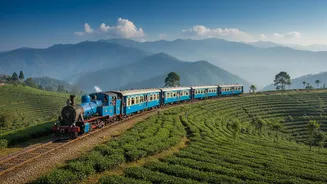
The Darjeeling Himalayan Railway (DHR), a UNESCO World Heritage site since 1999, is more than just a mode of transport; it's a living piece of history. Operational since 1881, this narrow-gauge railway was an engineering marvel of its time, designed to navigate
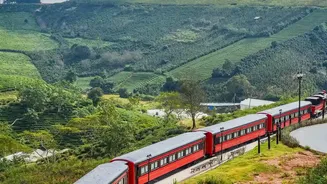
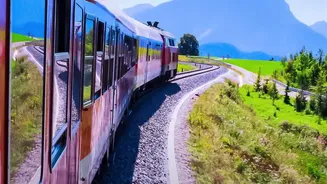
the steep and winding terrain of the Eastern Himalayas. As the train slowly makes its way along the 2-foot gauge track, often running parallel to the main road, it offers an intimate glimpse into life in the hills. The rhythmic sounds, the vintage coaches, and the leisurely pace transport passengers to a bygone era, making the journey itself a primary attraction. The train winds through lush tea gardens, dense pine forests, and charming hillside villages, creating a picturesque experience long before any mountain peaks come into view.
The Elusive Kanchenjunga Sighting
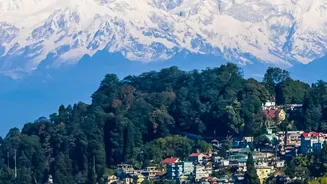
For many travellers, the ultimate prize is the view of Kanchenjunga. The majestic mountain, often called the 'Sleeping Buddha' for its profile, creates its own weather system, making a clear sighting a matter of timing and luck. When the clouds and mist part, the view is spectacular. One of the best opportunities for this occurs at the Batasia Loop, an ingenious spiral of track built in 1919 to help the train manage a steep ascent. The train circles a beautifully manicured garden and a war memorial dedicated to Gorkha soldiers, offering a potential 360-degree panorama that includes Darjeeling town and the colossal Kanchenjunga range. This brief stop is often where cameras are busiest, capturing the fleeting, golden glow on the snow-capped peaks.
Choosing the Right Ride
The Darjeeling Himalayan Railway offers several services, but they primarily fall into two categories: the full journey and the 'Joyride'. The full journey from New Jalpaiguri (NJP) to Darjeeling is an epic 7-8 hour trip covering 88 kilometres, climbing from the plains to an altitude of over 2,200 metres. While comprehensive, it's a full-day commitment. For tourists with limited time, the most popular option is the 'Joyride', a two-hour round trip from Darjeeling to Ghum and back. This ride includes stops at Ghum, India's highest railway station, and the famed Batasia Loop, making it the ideal choice for those focused on seeing the key sights and maximising their chances of a mountain view.
Perfect Timing for Clear Skies
The most critical factor for seeing Kanchenjunga is the season. The monsoon months, from June to September, bring heavy rain and fog, almost completely obscuring the mountains. The best viewing window arrives post-monsoon, from October to November. During this autumn period, the air is crisp and clear, washed clean by the rains, offering the highest probability of unobstructed views. Visibility is often excellent, with some reports suggesting an 85% chance of a clear view in October. Another good season is spring, from March to May, when the weather is pleasant and rhododendrons are in bloom, though a slight haze can sometimes build up during the day. For the best odds, an early morning ride is recommended, as clouds tend to gather by mid-morning.
Booking Your Seat on the Toy Train
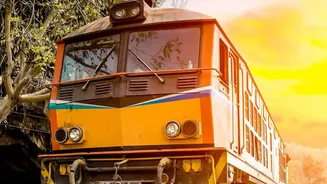
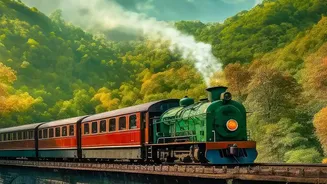
Given its popularity, booking tickets in advance is highly recommended, especially during peak tourist seasons. Tickets for all DHR services, including the Joyrides, can be booked online through the official IRCTC website or its mobile app. When booking, you'll need to choose between a train hauled by a classic steam engine or a more modern diesel locomotive. Steam engine rides are more expensive but offer a more authentic, nostalgic experience that many travellers prefer. Recently, Vistadome coaches with large glass windows and transparent roofs have been added to some services, providing an even more immersive panoramic viewing experience. These sell out quickly, so planning ahead is key. Fares for the popular Joyride typically range from ₹1,000 for diesel to ₹1,500 for steam-hauled services.