


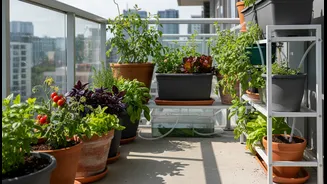


The Hidden Weight of a Green Oasis
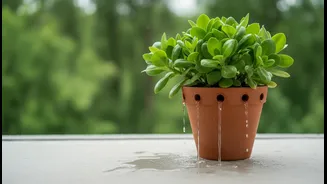
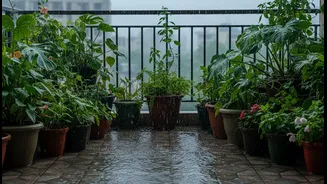
It’s easy to underestimate how heavy a garden can be. A single large ceramic pot is hefty on its own, but the real weight comes from the soil and water. Potting mix seems light when dry, but its weight can increase dramatically after a heavy rain or thorough
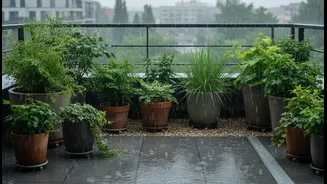
watering. A cubic foot of moist potting soil can weigh over 30 kilograms. When you start adding multiple large planters, the weight quickly accumulates. Consider a medium-sized 25-gallon planter: dry, it might weigh around 45 kg with soil. Once saturated with water, that same planter could exceed 110 kg. This doesn't even account for the weight of the mature plants themselves, trellises, or any decorative stones. It’s this combined, often underestimated, load that can put a dangerous amount of stress on your balcony's structure.
Understanding Your Balcony's Limits
Balconies are not designed to support unlimited weight. Building codes in India, such as the National Building Code (NBC), specify minimum load-bearing capacities. Generally, residential balconies are engineered to support what's called a 'live load'—the temporary weight of people and furniture. This capacity is typically rated in kilograms per square metre. For instance, a residential balcony might be designed for 200 to 300 kg per square metre. However, this capacity can vary based on the building's age, construction materials (concrete, wood, or steel), and maintenance history. A large, water-logged planter can concentrate a huge amount of weight into a very small area, potentially exceeding this distributed load limit. The total weight must also account for people using the balcony, outdoor furniture, and even things like snow buildup in colder climates.
How to Look for Warning Signs
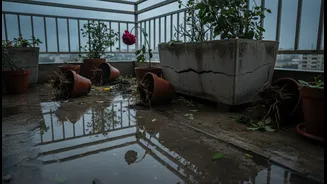
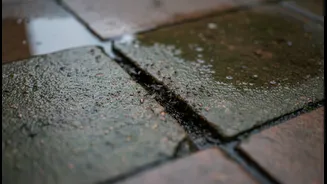
Before you start planning your garden, perform a basic visual inspection of your balcony. Look for any red flags that might suggest existing structural issues. Are there visible cracks in the concrete slab, especially ones that seem to be widening? Check the underside of the balcony for water stains, peeling paint, or white, powdery deposits, which can indicate moisture has penetrated the structure and may be corroding the steel rebar inside—a condition sometimes called 'concrete cancer'. Other warning signs include rust on any metal supports or railings, sagging, or a feeling of bounciness or movement when you walk on it. If the railings feel loose or wobbly, that’s another sign that the structure needs a closer look. While these checks don't replace a professional assessment, they can help you spot obvious problems early.
When to Call a Professional
If your visual inspection reveals any warning signs, or if you plan on creating a particularly ambitious garden with numerous large, heavy pots, it is essential to consult a professional. A licensed structural engineer is the right expert for this job. They can assess the actual load capacity of your specific balcony and provide a definitive answer on how much weight it can safely support. For a fee, they will conduct a thorough inspection, potentially reviewing the building's original plans and performing tests to determine the health of the structure. This step is not just about caution; it's about ensuring the safety of you, your family, and anyone living below you. In some cases, a society or building management may require such a certificate before major additions are made to a balcony.
Smart and Lightweight Gardening Solutions
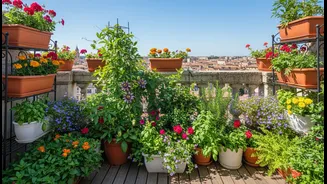
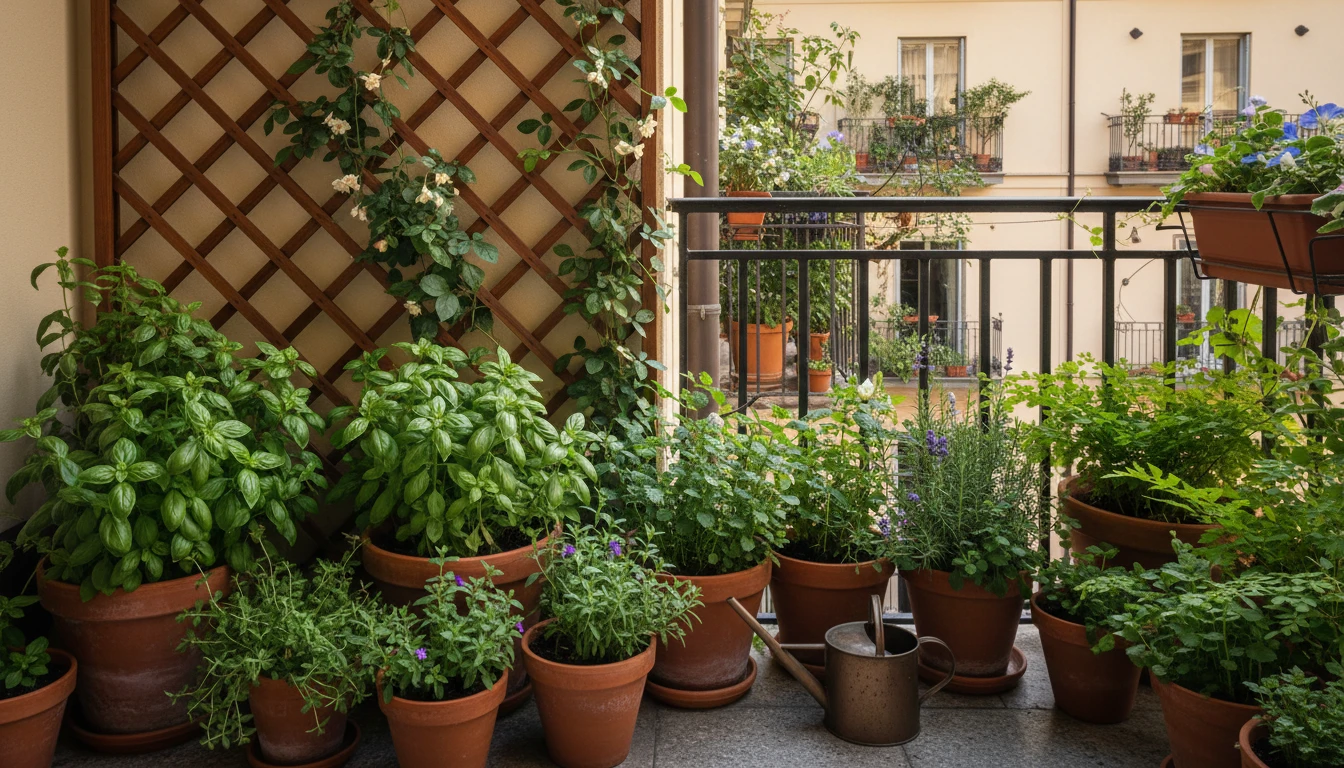
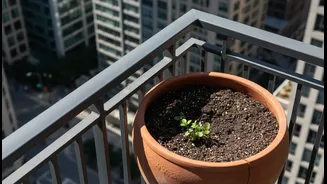
Even if your balcony has a lower weight limit, you don't have to give up on your gardening dreams. There are many ways to create a beautiful green space without adding excessive weight. Opt for lightweight containers made from materials like fiberglass, resin, or high-quality plastic instead of heavy ceramic or concrete. Use bagged potting mix, which is significantly lighter than dense topsoil. You can further reduce weight by adding lightweight materials like perlite or bark chips to your soil mix to improve drainage without adding mass. Consider vertical gardening systems, which mount on a wall and use a series of smaller, lighter pots. Railing planters are another excellent way to add greenery without taking up floor space or concentrating weight. By choosing your materials and design thoughtfully, you can cultivate a thriving garden that is both beautiful and safe.