






The Globalisation of the Indian Kitchen
The Indian palate is undergoing a fascinating evolution. While traditional dishes remain the heart of home cooking, a wave of international flavours is finding a permanent place on the shelf. Ingredients once confined to specialty restaurants or the luggage
of relatives returning from abroad are now readily available. This isn't just about trying new things; it's a reflection of a broader cultural shift. Exposure through travel, social media, and a booming restaurant scene has made global cuisines more accessible than ever. As a result, dishes like sushi and ramen are no longer just for special occasions, and their core ingredients are making their way into daily meals.
A Growing Appetite for Wellness
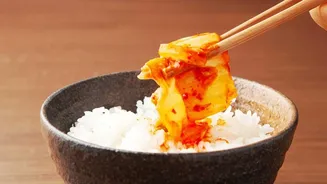
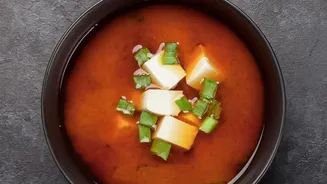
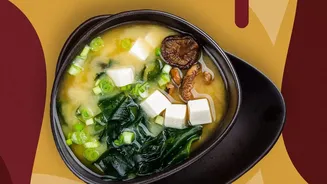
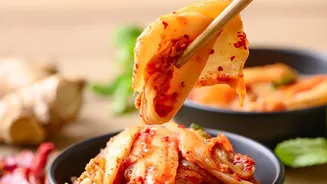
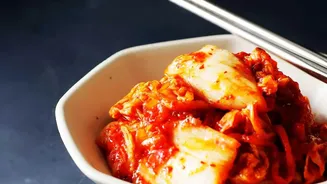
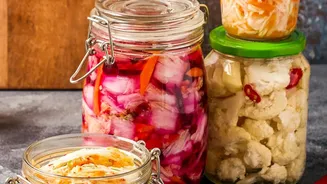
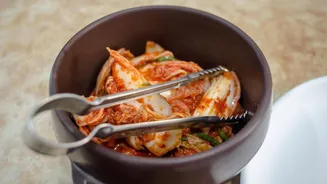
A significant driver of this trend is a collective move towards healthier eating. Urban Indian consumers are increasingly aware of the connection between diet and well-being, leading them to seek out foods with functional benefits. Fermented foods like Korean kimchi and Japanese miso are gaining popularity for their probiotic content, which is linked to improved gut health and stronger immunity. These traditional fermented products are finding a receptive audience in a country where fermented foods like dahi, dosa, and idli have been dietary staples for centuries. The health benefits of fermentation, which include making nutrients more bioavailable, are now being appreciated in both traditional and newly adopted foods.
Olive Oil: A Staple for Heart Health
Similarly, the rise of olive oil from a niche product to a regular purchase is tied to health consciousness. Widely associated with the heart-healthy Mediterranean diet, its high content of monounsaturated fats and antioxidants has resonated with consumers looking for healthier cooking mediums. Initially popular in major metropolitan areas, the demand for olive oil is now growing in smaller cities as well, thanks to rising incomes and better availability. It's increasingly used not just for dressing salads but also for everyday cooking methods like stir-frying, signalling its deep integration into the modern Indian kitchen.
The Power of Social Media and Accessibility
The journey of these ingredients from niche to mainstream has been accelerated by social media and e-commerce. Platforms like Instagram and YouTube have turned home cooks into influencers, demystifying foreign ingredients and showcasing creative ways to use them. Seeing a familiar face add miso to a khichdi or kimchi to a fried rice makes it feel approachable. Simultaneously, the explosion of online grocery platforms and the expansion of supermarkets into more cities have solved the availability puzzle. It’s no longer a treasure hunt to find gochujang or good quality olive oil; it’s just a few clicks away.
A Fusion of Flavours
What makes this trend particularly interesting is that these ingredients aren't just being used for their traditional recipes. Instead, they are being creatively fused with Indian cooking. Home cooks and professional chefs are experimenting with adding the umami depth of miso to dishes like baingan bharta or dal. The spicy, tangy crunch of kimchi is finding its way into everything from sandwiches to savoury pancakes. This culinary creativity shows that the adoption of global ingredients is not about replacing local flavours but about expanding and enriching the definition of what Indian food can be.