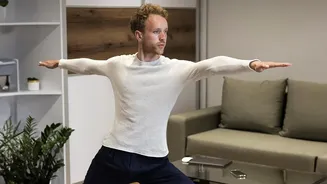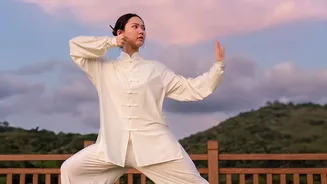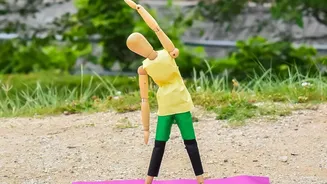

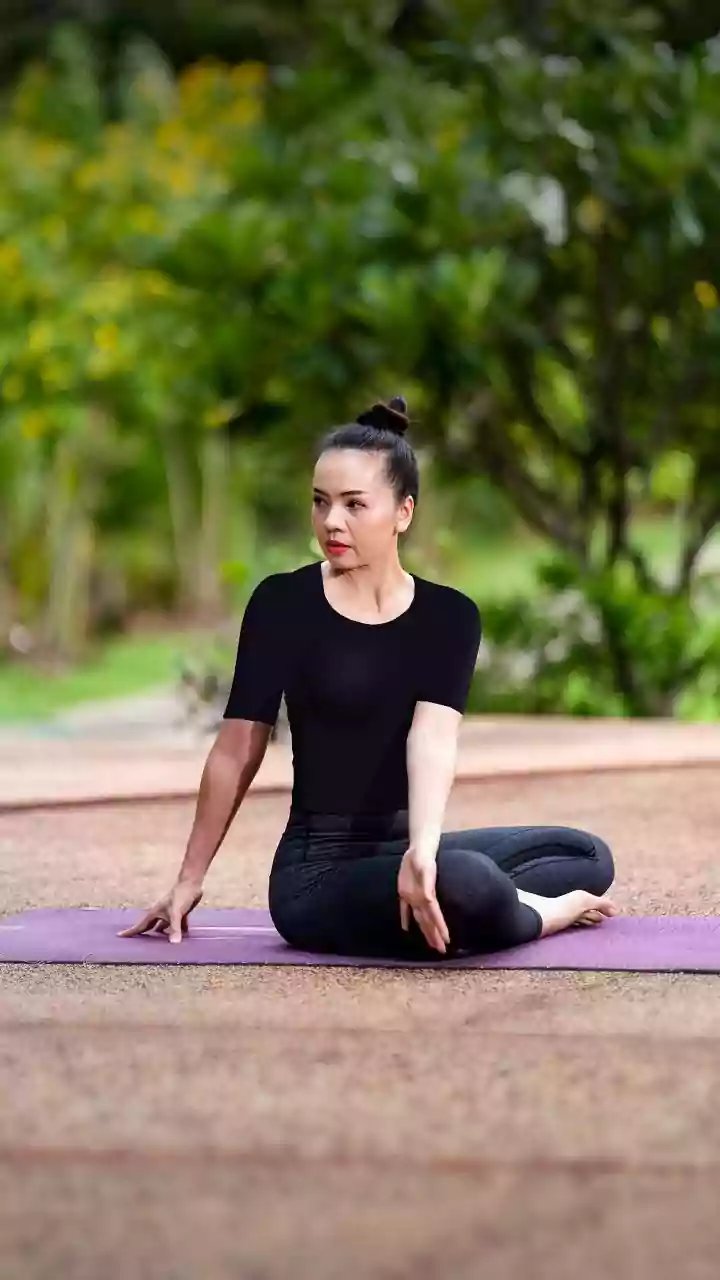




The Core Philosophy: Control vs. Flow
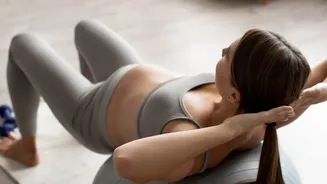
At its heart, Pilates is a system of controlled, precise movements designed to strengthen the body's core—the deep muscles of the abdomen, back, hips, and pelvis that support the spine. The intensity comes from muscular engagement and control, often through
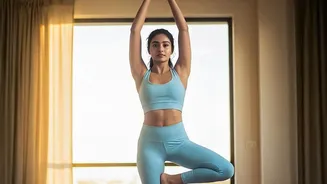
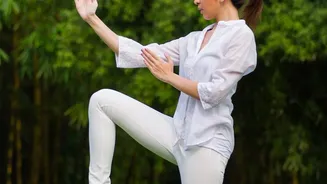
repetitions of specific exercises on a mat or specialized equipment. Tai Chi, by contrast, is an ancient Chinese martial art often described as 'meditation in motion'. It consists of slow, continuous, and flowing sequences. The focus isn't on isolating muscles but on coordinating the entire body, shifting weight smoothly, and maintaining balance through gentle, unbroken movement.
Understanding Intensity: Muscular Burn vs. Gentle Power
The feeling of intensity in Pilates is one of targeted muscular work. Even in beginner classes, which move at a slower pace, you'll feel your core, back, and glutes engage. The intensity is deliberate and focused on building strength and stability. While it's considered low-impact, the muscular challenge can be significant. Tai Chi's intensity is more subtle. While a beginner session feels very gentle, holding bent-knee stances and moving slowly is a form of isometric work that builds leg strength and endurance. More advanced practice, with lower stances and longer forms, can reach a moderate aerobic intensity similar to a brisk walk. The challenge in Tai Chi comes from sustained, coordinated, and relaxed power rather than muscular strain.
Key Physical Benefits: Core Strength vs. Dynamic Balance
If your primary goal is to build formidable core strength, improve posture, and tone muscles, Pilates has a distinct advantage. Its structured approach is highly effective for creating a strong, stable centre, which can help reduce back pain and improve overall body mechanics. Tai Chi is unparalleled for improving dynamic balance and preventing falls, making it especially beneficial for older adults. The constant, slow weight shifting and coordinated movements train your brain and body to work together to maintain stability, enhancing coordination and body awareness in a way that static exercises cannot. Both practices improve flexibility, though they approach it differently. Pilates often involves specific stretches, while Tai Chi promotes mobility through its full range of flowing motions.
The Mind-Body Connection: Concentration vs. Meditation
Both disciplines are mindful, but their mental focus differs. Pilates demands sharp concentration on breath, alignment, and the precise execution of each movement. This creates a strong sense of body awareness and control. Tai Chi’s mindfulness is more meditative. The goal is to calm the mind by focusing on the continuous flow of movement, deep breathing, and the sensation of energy moving through the body. Many practitioners value Tai Chi for its ability to reduce stress and enhance mental clarity through this gentle, moving meditation.
Equipment and Accessibility
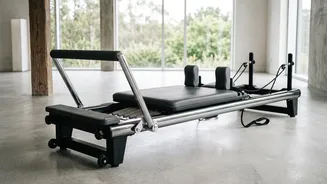
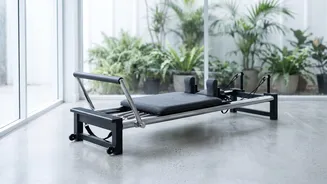
Tai Chi is highly accessible, requiring no special equipment—just comfortable clothing and a few square feet of space. This makes it easy to practice anywhere. Pilates can be done on a mat with just your body weight, but it is often associated with specialized equipment like the Reformer, which uses springs and pulleys for resistance. While mat Pilates is accessible, equipment-based classes can offer more variety and support, especially for beginners or those with physical limitations.