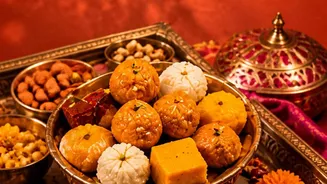





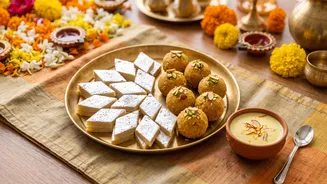


Diwali is incomplete without the joy of sharing laddoos and barfi. But what if you could enjoy these festive treats without the health worries? The secret isn't total avoidance, but smart indulgence based on timing and what you eat with them.
Why Timing and Context are Everything
The familiar
post-sweet slump, often followed by more cravings, is your body's reaction to a rapid spike and crash in blood sugar. When you eat a sugary sweet on an empty stomach, the sugar is absorbed very quickly, causing a large surge in blood glucose. Your body then releases a rush of insulin to manage it, which can cause your blood sugar to dip, leading to fatigue and renewed hunger. However, you can soften this blow by being strategic. The key is to slow down the absorption of sugar, and that's where timing and 'meal context'—what else is in your stomach—play a starring role. Thinking about how and when you eat your mithai is more effective than simply feeling guilty about it.
The Golden Rule: Never on an Empty Stomach
The single most important piece of advice from nutrition experts is to avoid eating sweets by themselves, especially when you are hungry. Having a laddoo first thing in the morning or as a standalone snack is when it can do the most damage to your blood sugar levels. Without any other food to act as a buffer, the sugar hits your bloodstream like a freight train. This leads to that classic 'sugar rollercoaster' of a sharp spike followed by a crash. Instead, think of your favourite Diwali sweet as the grand finale to a proper meal, not the opening act. This simple shift is the foundation of mindful festive eating.
Pair Your Sweets with Protein and Fibre
So, what should you eat before that piece of barfi? The answer is a balanced meal rich in protein and fibre. Foods like dal, paneer, chickpeas, vegetables, and whole grains take longer to digest. When you eat a sweet after a meal containing these nutrients, the fibre and protein act as a natural brake, slowing down the digestion process and the subsequent absorption of sugar into the bloodstream. This leads to a more gradual, gentle rise in blood glucose instead of a sharp spike. If you're craving a sweet between meals, don't just eat the sweet. Pair it with a handful of nuts, some roasted chana, or a small bowl of yoghurt. This adds protein and healthy fats, helping to stabilise your energy levels and keep you feeling full for longer.
The Best and Worst Times for Indulgence
Your body's ability to manage sugar, known as insulin sensitivity, is not the same throughout the day. It is generally highest in the morning and decreases as the day goes on. Research suggests that the body is better equipped to handle a sweet treat earlier in the day. The ideal time for a sweet is often considered to be after a balanced lunch. At this point, your metabolism is active, and the presence of other food slows sugar absorption. Conversely, the worst time to eat sweets is late at night. Eating sugary foods after dinner can lead to higher glucose levels that stay elevated for longer, potentially disrupting sleep and even affecting your blood sugar readings the next morning.
Beyond the Plate : Walk It Off
Your strategy doesn't have to end once you've finished your sweet. One of the most effective ways to counteract a sugar hit is to get moving. A short, brisk walk of just 15 to 20 minutes after a meal can work wonders. Physical activity helps your muscles use up the glucose from your bloodstream for energy, which naturally helps to lower your blood sugar levels and improve insulin sensitivity. During Diwali, instead of sitting down right after a festive meal, suggest a family walk around the neighbourhood to enjoy the lights. It's a simple, enjoyable habit that can make a significant difference.
While timing and context are powerful tools, they don't give you a free pass to eat unlimited sweets. Portion control remains crucial. Instead of mindlessly sampling every mithai in the box, pick one or two that you truly love and savour them. When possible, opt for sweets that are inherently a bit healthier, such as those made with nuts, seeds, milk, or dates, which contain some protein, fibre, and healthy fats. If you're making sweets at home, you have even more control. You can reduce the amount of sugar or use whole grains instead of refined flour. Remember, a 'healthier' sweet is still a treat to be enjoyed in moderation.