

The Expanding Indian Pantry
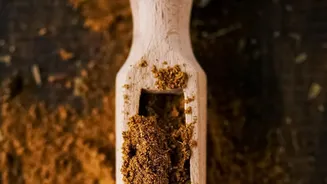
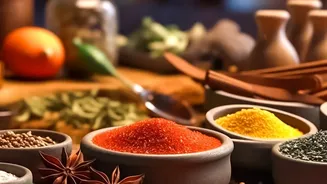
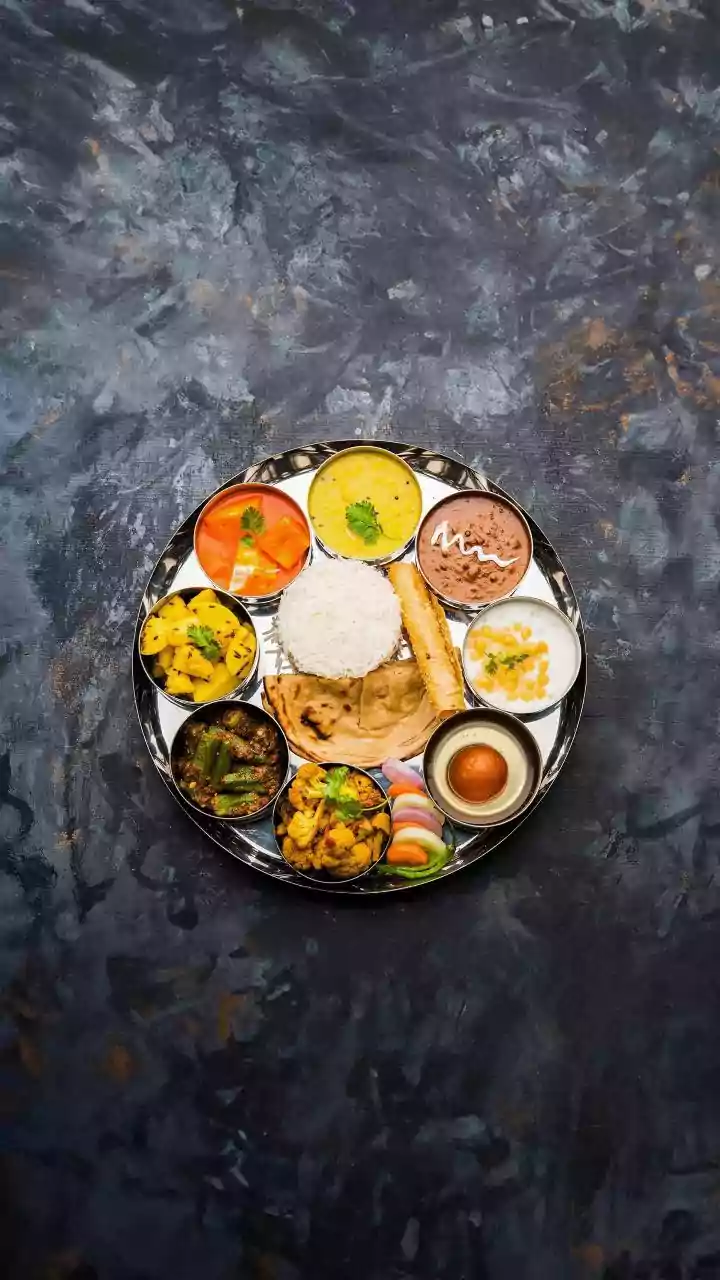
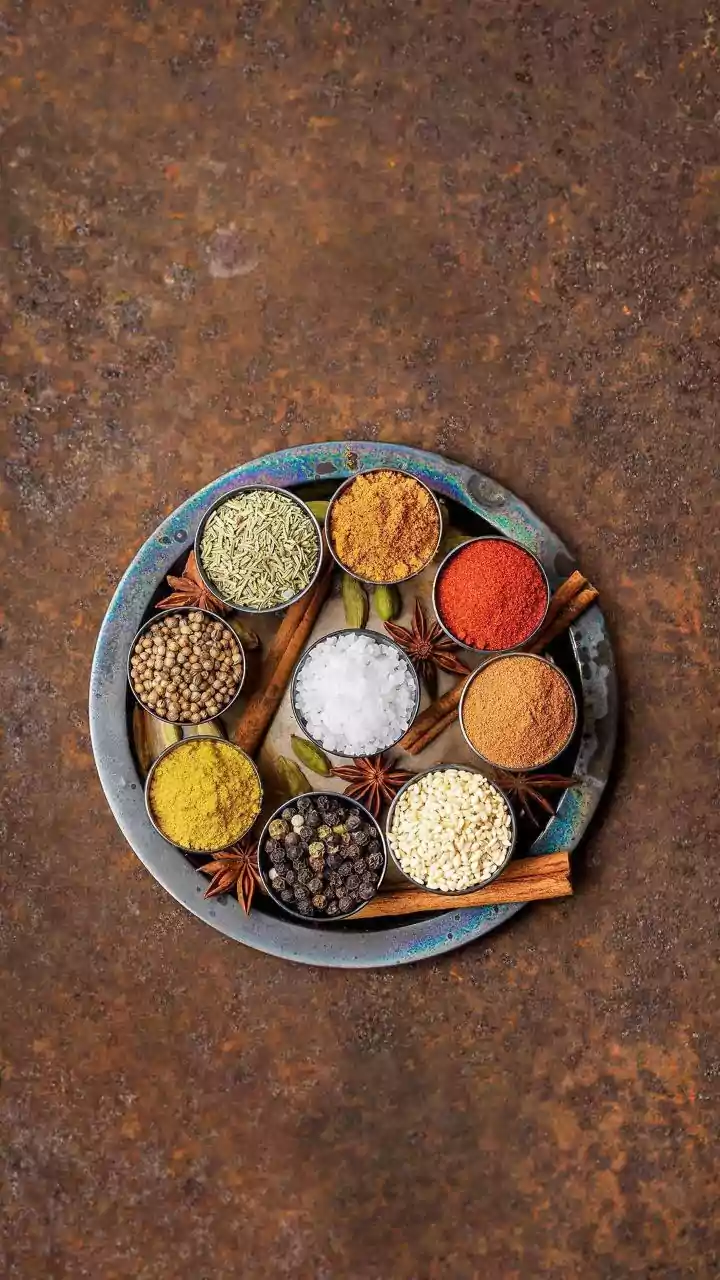
The traditional Indian pantry, long defined by a rich array of dals, rice, atta, and a complex masala dabba, is making room for new members. For generations, these staples formed the unshakable foundation of daily meals. But a fascinating shift is underway.
Global ingredients, once seen as exotic items reserved for dining out or attempting a specific 'international' dish, are now being treated as everyday tools. The Indian home cook is no longer just a custodian of tradition, but an adventurous innovator, seamlessly blending global flavours into the fabric of daily meals.
Meet the New Staples
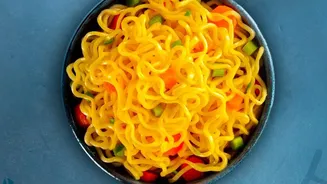
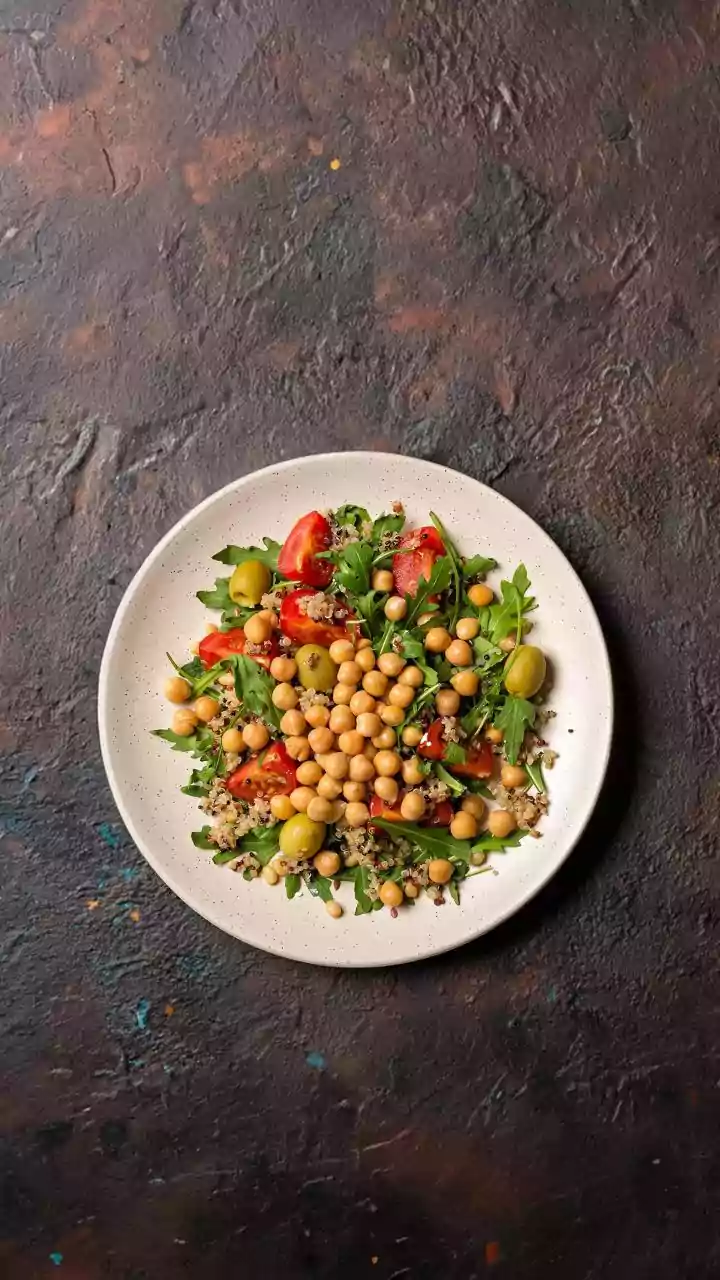
So, who are the new stars? Avocado, a fruit that barely registered a decade ago, is a prime example. Imports have surged in recent years, driven by health-conscious urban consumers. It's being mashed into paratha fillings, blended into creamy raitas, or simply sliced on toast with a sprinkle of chaat masala. Then there’s quinoa, the Andean grain, which has found a comfortable home as a substitute for rice in pulaos or as a base for upma. Perhaps the most surprising new entry is gochujang, the Korean fermented chili paste. Its unique profile of spicy, sweet, and umami is being explored in everything from paneer marinades to a new twist on butter chicken, proving compatible with the Indian palate. These ingredients, along with others like sriracha, gourmet cheeses, and various noodles, are no longer just for special occasions.
Flexibility Over Formality
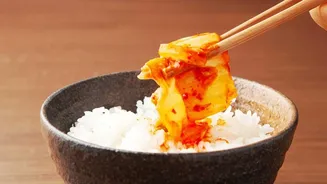
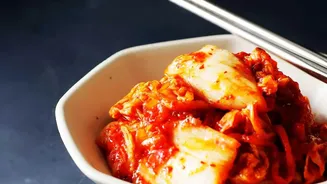
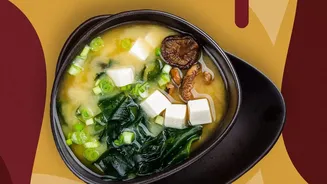
The most significant aspect of this trend isn't just the presence of these ingredients, but how they are being used. The goal is no longer to create a perfectly 'authentic' foreign dish. Instead, the modern Indian cook is deconstructing these global items and using them for their flavour, texture, or nutritional value within an Indian context. This is about flexibility. It’s about asking, 'What can this do for my dal?' rather than 'How do I make a perfect bibimbap?'. A kimchi paratha or a miso-infused dal are no longer niche experiments but examples of a new culinary mindset. This approach signifies a move away from rigid recipe-following towards a more intuitive and creative style of cooking, blending the familiar with the new.
Drivers of the Delicious Disruption
What’s fuelling this change? A major factor is the explosion of digital food media. Instagram reels, YouTube cooking channels, and food bloggers have made global cuisines more accessible than ever, breaking down complex recipes into easy-to-follow steps and sparking curiosity. This visual and interactive exposure encourages experimentation. Furthermore, increased global travel, the availability of ingredients on quick commerce platforms, and a growing wellness trend have all played a part. The health benefits of ingredients like avocado and quinoa, for example, align perfectly with the priorities of a new generation of urban, health-conscious consumers. As home cooks become stars on social media, they demonstrate that anyone can use these ingredients, making them feel approachable and less intimidating.
A Sign of Culinary Confidence
This trend should not be mistaken for a dilution of Indian cuisine. On the contrary, it is a powerful display of its confidence and dynamism. Indian culinary traditions are so deeply rooted and well-understood that home cooks feel empowered to play, improvise, and absorb new influences without fear of losing their identity. It’s an evolution, not a replacement. By integrating these global tools, Indian home cooks are expanding their flavour vocabulary and creating a new, personal, and exciting chapter in the story of Indian food. They are proving that the Indian kitchen is a living, breathing space that is as much about honouring the past as it is about innovating for the future.