




A Taste of India Beyond the Stars
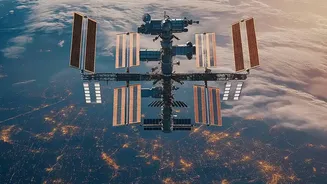
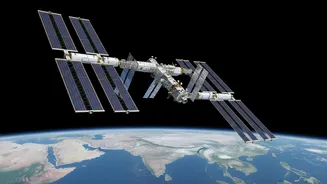
When Indian Air Force Group Captain and astronaut Shubhanshu Shukla embarked on his mission to the International Space Station (ISS), he carried more than just scientific instruments; he carried a taste of India. In a gesture of cosmic camaraderie, Shukla shared
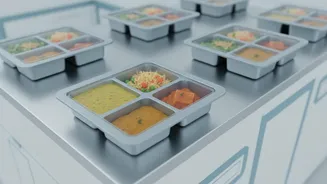
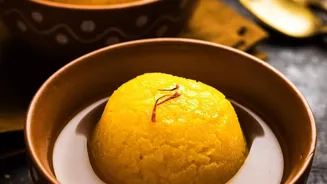
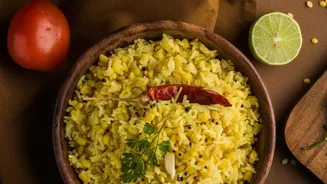
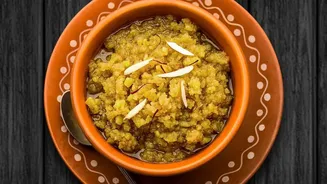
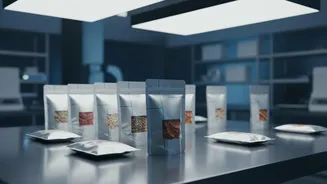
specially prepared Indian dishes with his international crewmates. The menu included delicacies like Gajar Ka Halwa, Moong Dal Halwa, and Aamras (mango pulp), which were developed by the Defence Food Research Laboratory (DFRL), a lab under the Defence Research and Development Organisation (DRDO). According to Shukla, his crewmates thoroughly enjoyed the food, a moment he described as one of the best parts of being in space. This act of 'gastrodiplomacy' offered his international colleagues a unique insight into Indian culture and cuisine, thousands of kilometres above Earth.
Meet the Trailblazing Astronaut
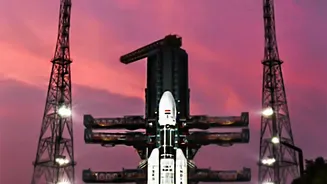
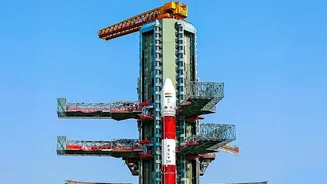
Group Captain Shubhanshu Shukla is a decorated fighter pilot and test pilot with the Indian Air Force, commissioned in 2006. He was selected in 2019 as one of four candidates for India's ambitious Gaganyaan human spaceflight program. His journey has involved rigorous training across the globe, from Russia's Yuri Gagarin Cosmonaut Training Center to NASA's Johnson Space Center in the United States. Shukla served as the mission pilot for the Axiom Mission 4 (Ax-4) to the ISS, making him the first Indian to visit the station. This mission, a collaboration involving ISRO, NASA, and Axiom Space, saw him spend several days in orbit conducting a range of scientific experiments, many of which were designed by Indian researchers.
The Science of a Space-Ready Meal
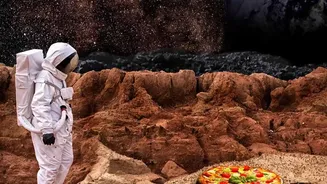
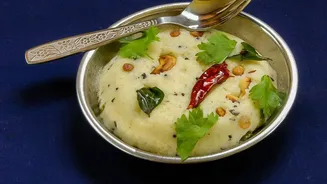
Sending food to space is far more complex than packing a lunchbox. Each item must undergo a stringent qualification process to ensure it is safe, nutritious, and practical for a zero-gravity environment. The DFRL in Mysuru, which has long developed food for India's armed forces, has been tasked with creating the menu for the Gaganyaan mission. The food must be low-fragmentation to prevent crumbs from floating into sensitive equipment, have a long shelf life without refrigeration, and withstand the vibrations of a rocket launch. While an extensive menu featuring dishes like biryani, khichdi, and idli was developed, only a few items could be certified in time for Shukla's mission due to the demanding testing schedules. This process highlights the immense scientific and logistical challenges behind feeding astronauts.
More Than Just Food: A Symbol of Self-Reliance
The development and certification of Indian space food by DRDO is a significant milestone for the nation's space ambitions. It showcases India's growing self-reliance in every facet of space exploration. Having familiar, comforting food is also crucial for the psychological well-being and morale of astronauts on long-duration missions. As Shukla himself noted, after over a week in space, he began craving the salty and spicy flavours of home. His experience provides invaluable feedback for DRDO as it refines and expands the menu for the future Gaganyaan crew, ensuring India's astronauts feel connected to their roots even when they are far from Earth. The successful flight certification of these dishes aboard an international mission is a critical step in preparing for India's own crewed flights.