




A Different Way to Move
While it might feel strange at first, reverse walking has been used in physical therapy for years to aid in rehabilitation. Unlike forward walking, which is a heel-to-toe motion we do without thinking, walking backward requires a toe-to-heel movement.
This simple change alters your body's mechanics, forcing you to engage different muscles and heightening your awareness. It’s a low-impact exercise that breaks the monotony of your regular fitness routine and asks your body to adapt to a new challenge, engaging muscles that are often underutilised in day-to-day activities.
Targeting Quads, Calves, and More
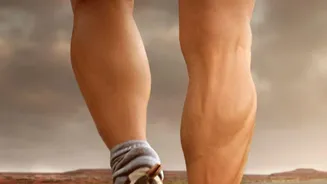
Forward walking predominantly works the muscles on the back of your legs, like your hamstrings and glutes. When you switch to reverse, the emphasis shifts. Your quadriceps, the large muscles on the front of your thighs, have to work harder to propel and stabilize your body with each step. Studies have shown that backward walking leads to greater engagement of the quads compared to moving forward. Your calves also get a different kind of workout, and the movement even calls on your glutes and the muscles around your shins to fire up differently, helping to create better muscle balance.
A Boost for Balance and Brainpower
Because we don't have eyes in the back of our heads, walking in reverse demands significantly more mental focus. This isn't just a physical workout; it's a cognitive one. Your brain has to work harder to process your body's position in space, a sense known as proprioception. This heightened state of awareness can lead to significant improvements in balance, stability, and coordination over time. It forces you to be more mindful and present with each step, which can also help sharpen your thinking skills and enhance cognitive control.
Potential Relief for Aching Knees
For individuals with certain types of knee pain, such as from osteoarthritis, reverse walking can be a game-changer. The mechanics of walking backward place less strain and pressure on the knee joints. As you step toe-to-heel, your quads absorb more of the impact, which can take a load off the knee itself. This motion may also improve the range of motion in the joint. Physical therapists often incorporate backward walking into rehabilitation programs for this reason, as it helps strengthen the supporting muscles around the knee without aggravating the joint.
How to Start Walking Backward Safely
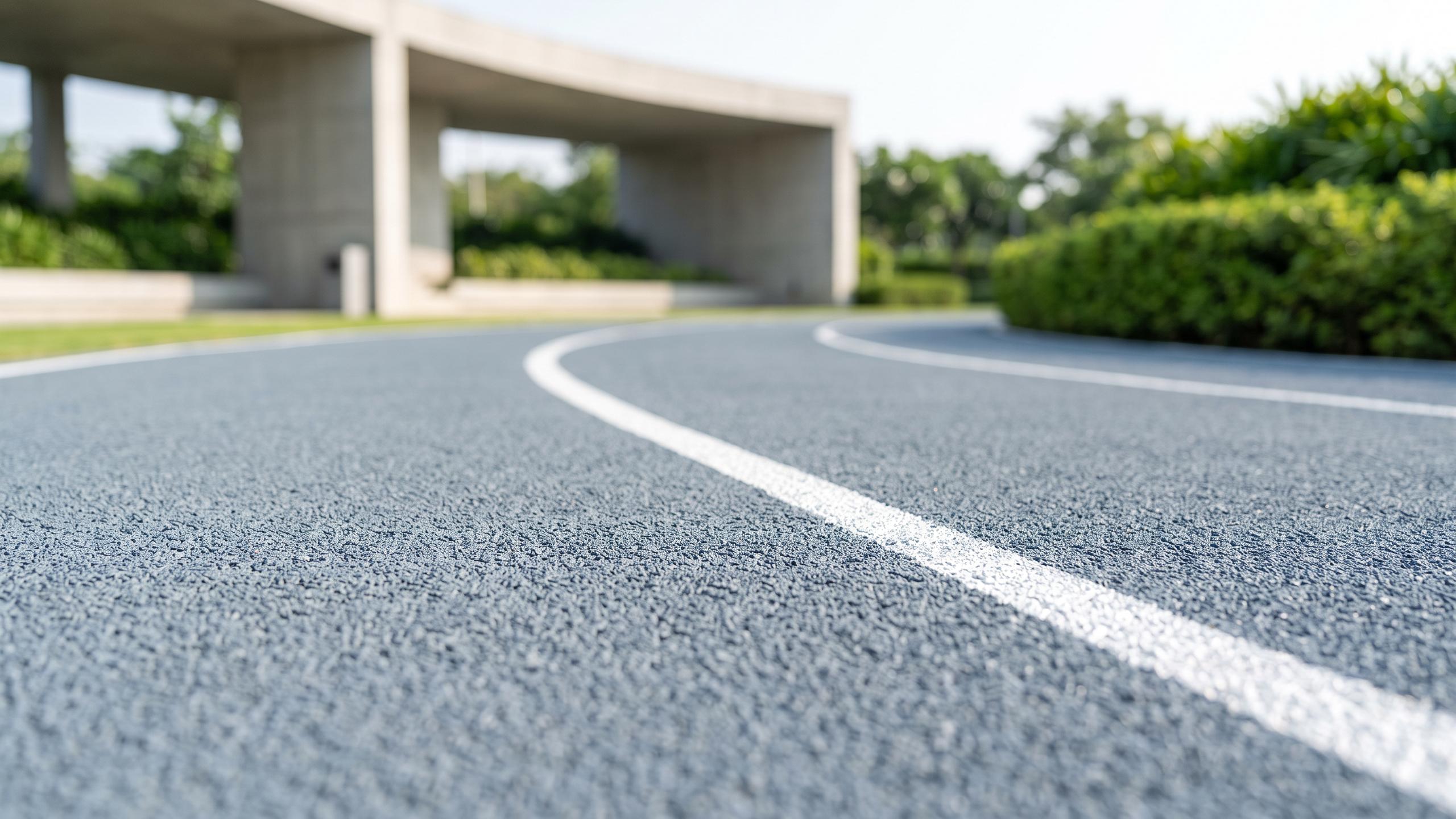
Safety is the top priority when trying this exercise. Start in a controlled and obstacle-free environment, like an empty hallway at home, a clear path in a park, or on a treadmill. If you're on a treadmill, begin at a very slow speed and hold onto the handrails until you feel comfortable and confident. Focus on your form: land on your toes and roll through your foot to your heel. Keep your posture upright and avoid leaning too far back. Begin with just five to ten minutes at a time, a few times a week, and gradually increase the duration or speed as your coordination and strength improve.