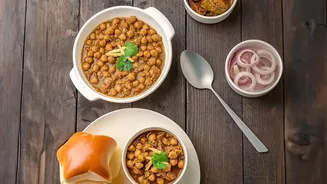




Protein's Mainstream Makeover
For years, 'adding protein' to one's diet conjured images of chalky shakes and dense, chewy bars. But a significant shift is underway across India. Consumers are increasingly looking to boost their protein intake not through supplements, but through the foods
they already know and love. This trend signals a major evolution in nutritional awareness, where health goals are integrated into daily routines rather than treated as a separate, often inconvenient, task. Data shows a clear surge in demand for protein-enriched products, with one quick commerce platform reporting a 150% increase in protein-related orders over the last two years. This growth isn't just confined to metropolitan hubs; tier-2 cities like Nagpur, Jaipur, and Chandigarh are seeing even faster adoption, indicating a nationwide move towards more intentional eating.
The Comfort of Familiarity
So, why the move away from specialised products? The answer lies in taste, convenience, and trust. Many consumers find the flavour and texture of traditional protein supplements unappealing. Fortifying everyday staples allows people to meet their nutritional goals without sacrificing the comforting tastes of their regular diet. Food companies have recognised that asking consumers to adopt entirely new eating habits is a losing battle. Instead, they are embedding protein into culturally resonant formats that fit seamlessly into daily life. This strategy bridges the gap between knowing you need more protein and actually consuming it, a challenge highlighted by surveys showing that while awareness is high, a significant portion of the population remains protein-deficient.
From Curd to Biscuits: A New Generation of Foods
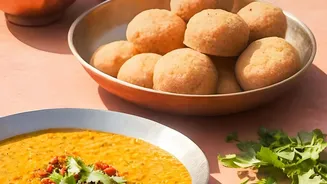
This trend is most visible on supermarket shelves and online grocery platforms. Dairy giants like Amul, Mother Dairy, and Heritage Foods are leading the charge by launching high-protein versions of staples like milk, dahi, paneer, and lassi. Heritage Foods, for example, recently launched a high-protein curd, designed to be enjoyed in familiar ways like with rice or in a raita. The innovation extends far beyond dairy. Consumers can now find protein-fortified atta, breakfast cereals, dosa batter, and even biscuits and chips from brands like Britannia and various startups. Traditional protein sources like paneer and eggs still dominate the Indian protein basket, but they are now joined by a new class of functional foods that make balanced nutrition more accessible.
The Industry Response
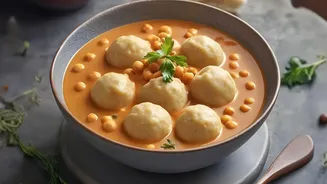
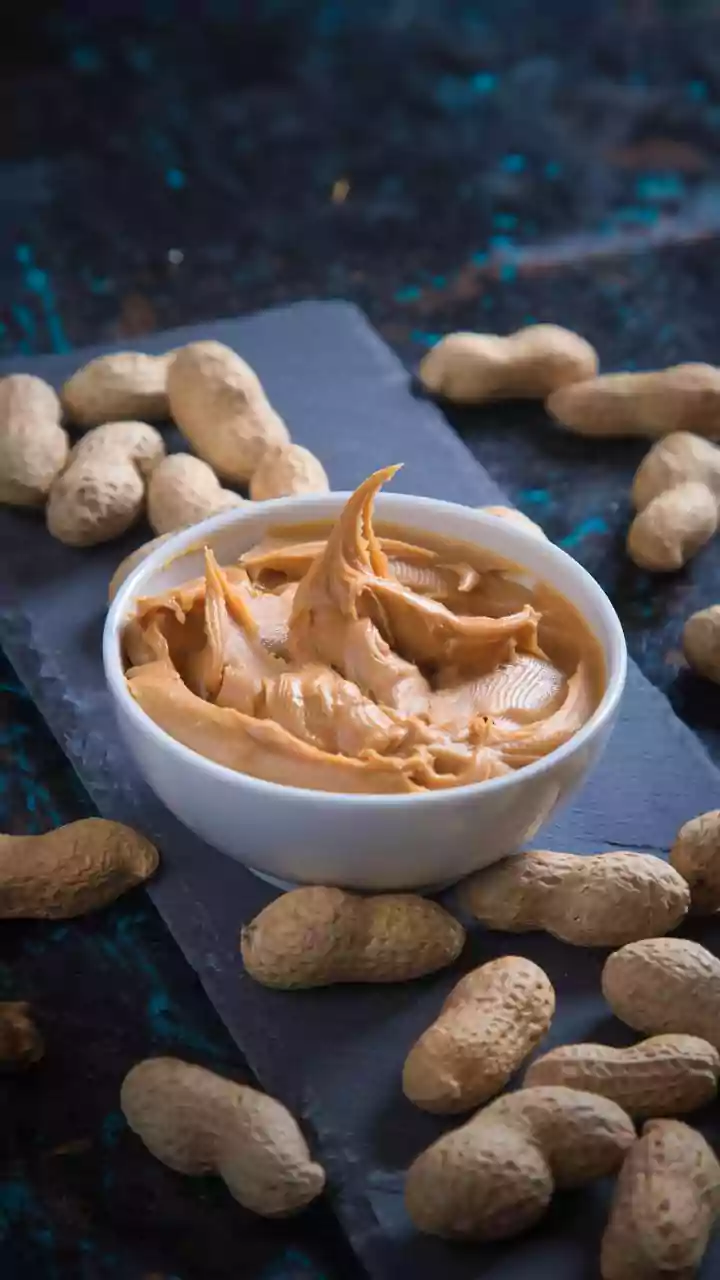
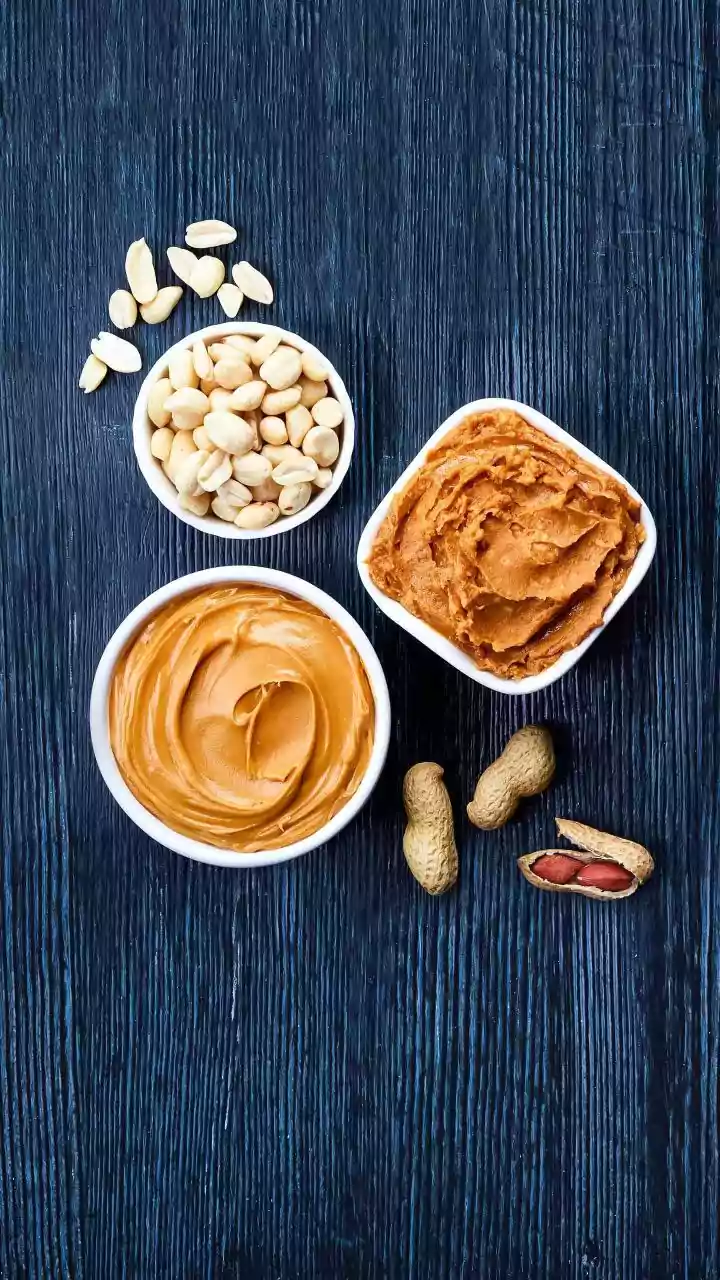
Food manufacturers are responding enthusiastically to this consumer demand, seeing it as the next major growth frontier. India's protein-based products market was valued at over ₹38,000 crore in 2024 and is projected to grow significantly. This has spurred a wave of innovation. Amul's “Butter to Biceps” campaign, for instance, introduced products like high-protein kulfi and a 'protein bomb' milk with five times the normal protein content. Mother Dairy launched milk pouches with 30% more protein than their regular offering. Startups are also carving out a niche, offering everything from protein-rich peanut butter to snacks made from pulses like peas and chickpeas, proving that protein enrichment has moved from a niche fitness claim to a mainstream wellness solution.
Navigating the Protein Aisle
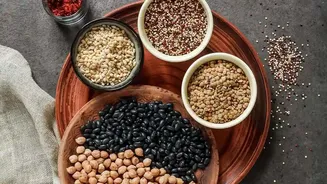
While the average protein intake in India has seen a modest increase, with urban areas reaching about 63.4 grams per day, challenges remain. A significant portion of this protein still comes from lower-quality sources like cereals. As more 'high-protein' products appear, it becomes crucial for consumers to read labels carefully. While many products offer genuine nutritional benefits, some may use 'protein' as a marketing buzzword without providing a substantial amount. It's important to look at the total grams of protein per serving and consider the overall ingredient list. The goal is to find products that genuinely contribute to a balanced diet, which should ideally include a diverse mix of sources like pulses, dairy, eggs, and lean meats, rather than relying on a single fortified food.