




The Dengue Season Ritual
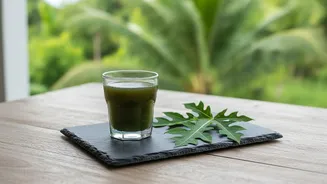
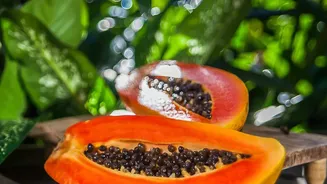
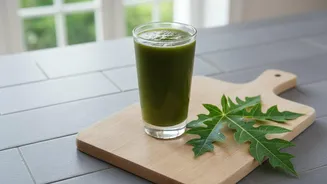
As predictable as the rains themselves, the rise in dengue cases brings a surge in the demand for papaya leaves. For countless Indian families, preparing a pungent, dark green extract from crushed papaya leaves is a knee-jerk reaction to a falling platelet
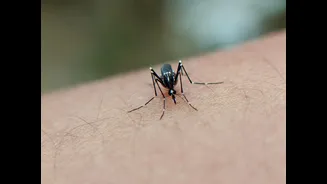
count. This practice is deeply embedded in our collective response to the illness, passed down through generations and reinforced by anecdotal success stories. The belief is straightforward and compelling: the juice helps rapidly increase platelets, the tiny blood cells crucial for clotting, which are notoriously depleted by the dengue virus. Pharmacies even stock papaya leaf extract capsules and syrups, cementing its status as a mainstream alternative therapy. This widespread acceptance makes it feel like a trusted, natural solution in a moment of panic, a way to actively fight back against the debilitating virus while waiting for the fever to break.
The Promising Signals in Early Science
The popularity of papaya leaf extract isn’t based purely on folklore. A growing body of scientific research has explored its effects, yielding some genuinely promising results. Several small-scale clinical trials, including some conducted in India and Malaysia, have shown that patients given papaya leaf extract experienced a faster rise in their platelet counts compared to those who received only standard supportive care. Some studies even noted potentially shorter hospital stays for those taking the extract. Researchers have identified several bioactive compounds in the leaves, such as flavonoids and alkaloids, that are believed to be responsible. The leading theory is that these compounds stimulate specific genes in the bone marrow, enhancing the body’s ability to produce megakaryocytes, the large cells that break apart to form platelets. This suggests a plausible biological mechanism, lending scientific weight to what many have observed anecdotally.
The Gap Between Lab and Clinical Reality
This is where the story gets complicated. While an increase in platelet count sounds like a clear victory, it is only one part of the complex picture of dengue management. Medical experts caution against drawing firm conclusions from these early studies. Many of the trials have been small, used inconsistent dosages, and lacked the rigorous methodology of large-scale pharmaceutical research. More importantly, a higher platelet count on a lab report does not automatically translate to a better clinical outcome. There is currently no strong evidence to prove that papaya leaf extract prevents the most dangerous complications of dengue, such as plasma leakage, severe bleeding, or Dengue Shock Syndrome. Doctors manage dengue by monitoring a patient's overall condition, particularly hydration levels and warning signs like severe abdominal pain or persistent vomiting. Focusing solely on the platelet number can create a false sense of security.
The Real Risk: Delaying Medical Care
The greatest danger of relying on papaya leaf juice is not the extract itself—which is generally considered safe in moderation but can cause gastrointestinal upset—but the behaviour it encourages. Patients who place their faith entirely in this home remedy might delay seeking proper medical evaluation. Dengue can escalate quickly, and the window to manage its severe forms is often narrow. The cornerstones of effective dengue care are maintaining fluid balance, managing fever with safe medications like paracetamol (and avoiding blood-thinning painkillers like ibuprofen), and vigilant monitoring for warning signs under a doctor's supervision. Relying on a home remedy can mean that the critical moment for intervention is missed. A patient’s condition can worsen even if their platelet count appears stable or is rising slightly. Ultimately, papaya leaf extract is not a cure for dengue; it does not eliminate the virus. It remains a folk remedy without proven, comprehensive clinical benefit against the disease itself.