
The Living Reef Below
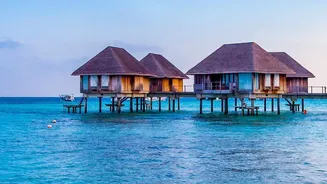
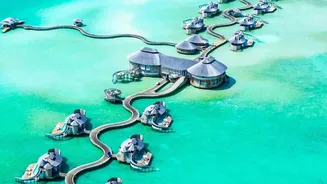
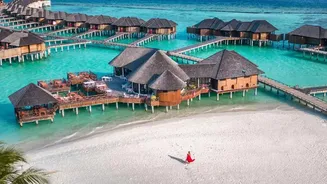
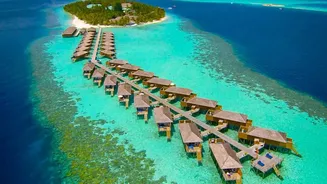
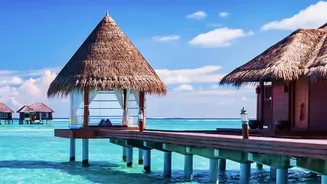
The turquoise water lapping beneath your villa is more than just a pretty view; it's a vital, living ecosystem. A new wave of luxury resorts now invites guests to become stewards of these underwater worlds. Instead of just passively snorkelling, travellers
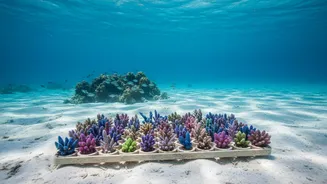
can actively participate in reef restoration projects. Resorts in destinations like the Maldives and Hawaii are home to pioneering conservation programmes led by on-staff marine biologists. At places like the Four Seasons Kuda Huraa in the Maldives, which runs one of the world's longest-running resort-based restoration projects, guests can help build and transplant coral frames. Visitors can even name their coral structures and receive photographic updates on their growth over the years, creating a lasting connection to the destination long after returning home. This hands-on approach transforms a holiday into a meaningful contribution, allowing guests to leave the fragile environments they visit healthier than when they arrived.
From Farm to Five-Star Table
The journey from ingredient to plate is becoming a central part of the luxury dining experience. Many high-end resorts are now cultivating extensive on-site organic gardens, reducing their carbon footprint and offering guests unparalleled freshness. This trend moves beyond a simple kitchen tour; it’s an immersive culinary adventure. At resorts like Vakkaru Maldives, the experience begins with a guided walk through the garden, where you might select the very herbs and vegetables that will feature in your meal. This is often followed by a private cooking class, where chefs teach authentic local recipes using the freshly harvested produce. Whether it's learning to make Maldivian tuna curry or a classic Thai soup, these classes provide skills and stories to take home. This farm-to-table ethos redefines indulgence, grounding it in sustainability and a deeper appreciation for the food, the land, and the people who cultivate it.
The Heartbeat of the Island
For years, the resort experience could feel like a beautiful bubble, separated from the local culture. Today, discerning travellers are seeking authenticity and a genuine sense of place. In response, resorts are thoughtfully curating experiences that bridge this gap. This can take the form of a guided boat trip to a nearby inhabited island, a service offered by properties like Villa Resorts in the Maldives. On these excursions, guests can respectfully observe daily life, wander through quiet streets, visit small local shops, and gain a gentle understanding of the customs and traditions that shape the destination. It’s an opportunity to see how island communities live, work, and stay connected to the sea. Other resorts facilitate interactions with local artisans, host classes on traditional crafts like lei-making, or arrange visits to community events. These encounters provide a richer, more nuanced travel story, one that values human connection as the ultimate luxury.
A New Definition of Luxury
This shift from passive consumption to active engagement reflects a profound change in what modern travellers value. Luxury is no longer measured solely by the thread count of the sheets or the exclusivity of the address, but by the depth of the experience. It is being redefined by personal fulfilment, authentic connections, and the desire to make a positive impact. Travellers increasingly want to know that their money is supporting local communities and conservation efforts. By participating in coral restoration, learning about sustainable agriculture, or engaging with local culture, guests are doing more than just taking a vacation; they are part of a larger, more conscious movement. This new form of travel offers the ultimate souvenir: the knowledge that your journey contributed to the place you were fortunate enough to visit, creating memories that are not only beautiful but also meaningful.