








A Conservation Success Story
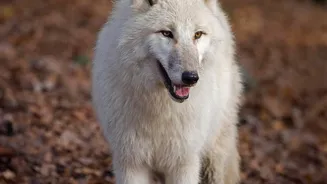
Across the European continent, from the mountains of Italy to the forests of Germany, the howl of the wolf is being heard once more. After being systematically persecuted for centuries, legal protections like the EU's Habitats Directive, combined with
landscape changes, have allowed this apex predator to make an incredible comeback. Recent estimates suggest the continent is now home to over 21,500 wolves, a population increase of nearly 60% in just a decade. This resurgence is celebrated by conservationists as a sign of healthier, more balanced ecosystems. The return of wolves helps regulate populations of wild boar and deer, which can have cascading positive effects on the environment. This ecological recovery has also laid the groundwork for an unexpected economic opportunity, turning the wolf from a perceived menace into a valuable asset.
The New Wildlife Hotspots
Several remote regions are becoming go-to destinations for wolf tourism. In Italy's Abruzzo National Park, where the Apennine wolf has long maintained a foothold, specialist guiding companies lead small groups on multi-day tracking expeditions. These trips, often taking place in winter when tracks are easier to spot in the snow, focus on education and non-invasive observation. Participants learn to identify paw prints, listen for howls, and understand the wolf's role in the ecosystem, all while staying in local hotels and dining on regional cuisine. Similarly, Spain's Sierra de la Culebra in the Castile and León region has become renowned as one of Europe's premier wolf-watching destinations, attracting international visitors and generating significant local revenue. Other nascent wolf tourism markets are emerging in Romania, Finland, and the French Alps, each offering a unique chance to connect with one of Europe's most iconic animals.
Boosting Remote Economies
The economic impact of this new form of ecotourism, while still being fully studied, is proving to be a lifeline for many rural communities. Travellers venturing into these areas require accommodation, food, and local guides, injecting money directly into the economy. One estimate from Spain's Sierra de la Culebra showed that wolf-related tourism generated €450,000 in a single year from spending on lodging and meals alone. Proponents argue that placing a tangible economic value on wildlife is a critical step toward ensuring its long-term protection. In some areas, tourism revenue directly supports conservation work and provides stable jobs in guiding, hospitality, and park management, creating a sustainable model where the wolf's presence is seen as an advantage rather than a threat.
Coexistence Remains a Challenge
The story is not without its complexities. The return of the wolf has reignited age-old conflicts, particularly with farmers who face the threat of livestock predation. While the actual percentage of livestock lost to wolves is very low continent-wide, the impact on individual farmers can be severe. This has led to intense political debates about whether to relax protection laws. However, many involved in wolf tourism see it as part of the solution. The economic benefits can help foster greater local acceptance of the predators. Furthermore, some tourism initiatives directly contribute to coexistence projects, funding non-lethal deterrents like specialized livestock guarding dogs and electric fences, and educating the public on the realities of living alongside large carnivores. This approach aims to transform the narrative from one of conflict to one of mutual benefit, where a thriving wolf population and a thriving local economy are seen as interconnected goals.