







What Exactly Is Rooibos Tea?
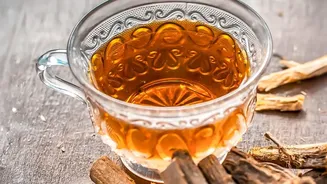
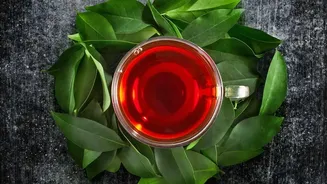
Rooibos, meaning 'red bush' in Afrikaans, isn't technically a tea in the traditional sense. It doesn't come from the Camellia sinensis plant like black or green tea. Instead, it’s an herbal infusion made from the leaves of the Aspalathus linearis shrub,
grown exclusively in South Africa's Cederberg mountain region. The leaves are fermented, which gives the brew its signature reddish-brown colour and sweet, nutty taste. Because it's naturally caffeine-free and low in tannins—compounds that can interfere with iron absorption—it has become a popular alternative for those looking to reduce their caffeine intake.
The Antioxidant Powerhouse
The excitement around rooibos centres on its rich and unique antioxidant profile. Antioxidants are compounds that help protect the body from cellular damage caused by free radicals. Rooibos contains several, but two stand out: aspalathin and nothofagin. Aspalathin is particularly special because rooibos is its only known natural source. This unique composition is the primary reason scientists are interested in its potential health impacts, particularly for conditions linked to inflammation and oxidative stress, such as heart disease. Unfermented or 'green' rooibos contains even higher levels of these antioxidants than the more common fermented red version.
What the Human Studies Show
While many health claims are based on lab or animal studies, the headline's caution about limited human research is important. However, 'limited' doesn't mean non-existent. A key 2011 study on 40 adults at risk for cardiovascular disease found promising results. Participants who drank six cups of rooibos daily for six weeks saw a significant drop in 'bad' LDL cholesterol and triglycerides, along with a rise in 'good' HDL cholesterol. Another more recent 12-week placebo-controlled trial from 2024 used echocardiography to observe the heart's function in real-time. It found that rooibos consumption led to a significant reduction in the size of the left atrium and left ventricular mass, which are important markers for heart health. These studies suggest rooibos can positively impact key risk factors for heart disease.
Mechanisms of Action
So how might rooibos achieve these effects? Researchers believe its antioxidants play a crucial role. Studies suggest aspalathin, in particular, helps reduce the vascular inflammation often associated with high blood sugar, a major risk for people with diabetes. Some research also indicates that rooibos may inhibit an angiotensin-converting enzyme (ACE), much like some blood pressure medications do, which helps blood vessels to relax and can lower blood pressure. Furthermore, studies have shown rooibos can reduce oxidative damage to fats in the blood, a key step in the development of atherosclerosis, or the hardening of arteries.
Is It Completely Safe?
For the vast majority of people, rooibos tea is considered very safe and free of side effects, especially when consumed in moderation (around 3-6 cups per day). It has a long history of traditional use, including for children in South Africa. However, it's worth noting that a few extremely rare cases of liver toxicity have been reported in medical literature, generally involving very high consumption or individuals with pre-existing liver conditions. As with any herbal product, if you are taking medication for conditions like high cholesterol or a serious health condition, it is always wise to consult a healthcare professional.