


First, Assess Your Cooking Habits
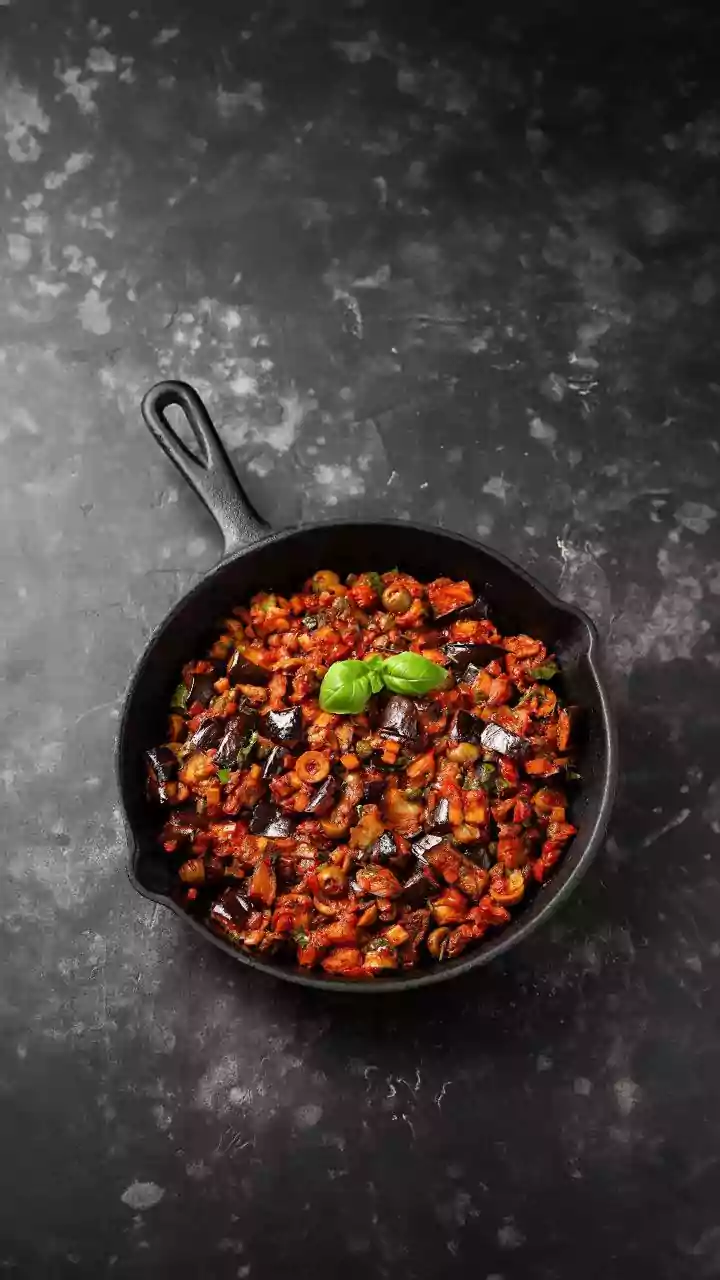
Before you even think about brands or prices, consider what you actually cook. Are you a daily meal prepper who needs a versatile workhorse for everything from eggs to stir-fries? A 10 or 12-inch skillet might be your best friend. Do you love slow-simmered
stews, baking bread, or hosting big family dinners? A large, deep Dutch oven would be a better investment. The weight, size, and shape of your ideal pan depend entirely on your day-to-day needs. If you live alone and primarily make small meals, a heavy 12-inch skillet might feel like overkill, while a family of five would quickly outgrow a small 8-inch pan. Being honest about your routine—how often you cook, for how many people, and what you enjoy making—is the most crucial first step.
Understanding the Weight Factor
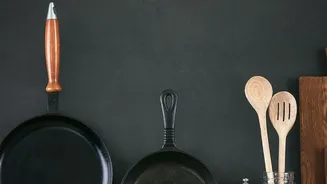
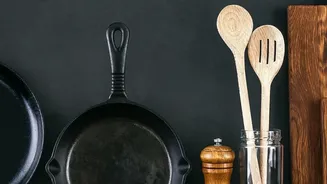
There’s no getting around it: cast iron is heavy. That heft is precisely what gives it superior heat retention, ensuring your food cooks evenly without hot spots. A typical 12-inch traditional cast-iron skillet can weigh over 3.5 kilograms. For some, that weight is a sign of quality; for others, it’s a barrier to daily use. If you struggle with heavy lifting or have limited wrist strength, a massive pan will likely gather dust. Thankfully, modern options include lightweight cast iron, which is thinner and easier to handle. These lighter pans heat up and cool down faster, making them more responsive, though they may not hold heat quite as long as their heavyweight counterparts. Don't choose a pan based on what you think you should have; pick one you can comfortably lift from the stove to the oven to the sink.
Traditional vs. Enameled: The Great Divide
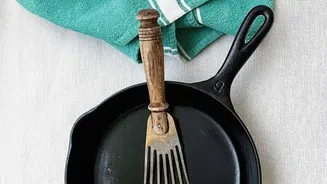
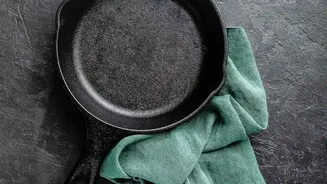
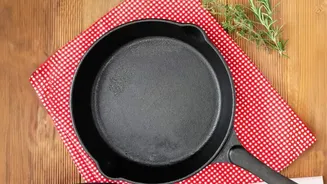
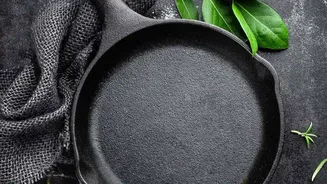
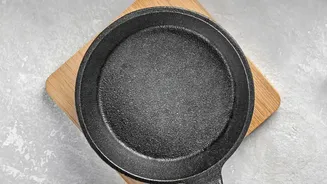
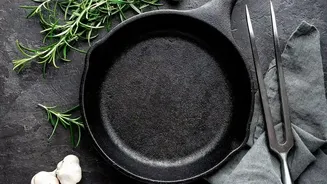
This is a key decision that directly impacts maintenance. Traditional, bare cast iron is a single piece of metal that requires 'seasoning'—a process of baking on thin layers of oil to create a natural non-stick surface. This surface gets better with every use. However, it requires a bit of care; it can rust if left wet and can react with acidic foods like tomatoes or wine, which can strip the seasoning.
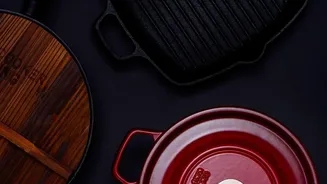
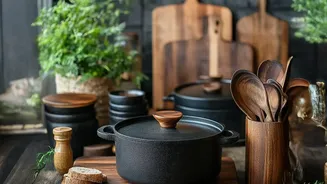
Enameled cast iron, on the other hand, is coated in a smooth, glass-like finish. This coating makes it non-reactive, so you can simmer tomato sauce for hours without issue. It also eliminates the need for seasoning and is generally easier to clean, as you can use soap without worry. The trade-off? The enamel can chip if dropped or if metal utensils are used aggressively, and high-quality enameled pieces are often more expensive.
The Truth About Maintenance
The reputation of cast iron being 'high-maintenance' is often exaggerated. For traditional cast iron, the rules are simple. After cooking, scrub the warm pan with a brush and hot water; avoid letting it soak. Many sources say to avoid soap, but a little mild soap is fine for well-seasoned pans. The most important step is to dry it completely—you can even place it on a low burner for a minute to evaporate all moisture. Then, while it's still warm, wipe a very thin layer of cooking oil inside and out to protect the seasoning.
Enameled cast iron is even simpler. It can be washed with soap and water just like any other pot. While extremely durable, you should avoid sudden temperature changes (like plunging a hot pan into cold water) and abrasive scrubbers to protect the enamel finish. For either type, the 'maintenance' quickly becomes a simple, two-minute habit at the end of cooking.