






The Sweet Taste of Celebration
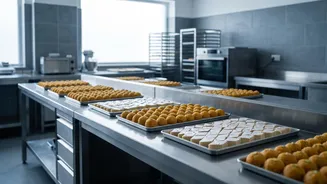
In India, festivals like Diwali and Navratri are incomplete without “mithai,” a vast category of traditional sweets. These aren't just desserts; they are integral to rituals, gifting, and hospitality. Families purchase them in large quantities, and demand
across the nation soars. The key ingredient for many of the most beloved sweets—like barfi and peda—is khoya, a milk solid made by slowly thickening milk. This process is time-consuming and requires large volumes of milk, making pure khoya a valuable commodity, especially when demand skyrockets.
A Recipe for Risk
This massive, sudden spike in demand puts immense pressure on the supply chain, creating a lucrative opportunity for adulteration. To cut costs and increase volume, some producers mix cheaper, and sometimes dangerous, substances into their products. Khoya and paneer (a fresh cheese) are frequent targets. Common adulterants include starch, blotting paper, and even urea and detergents to mimic the texture and appearance of real milk solids. Ghee, or clarified butter, might be mixed with cheaper vegetable oil, and the beautiful silver foil (vark) decorating many sweets is sometimes replaced with toxic aluminum foil. This isn't just about cheating customers; it's a serious health risk that can lead to food poisoning, digestive issues, and long-term organ damage.
The Annual Inspection Blitz
In response, India’s food safety regulator, the Food Safety and Standards Authority of India (FSSAI), directs state authorities to ramp up enforcement every year before the festive season. Recent directives for 2026 have specifically targeted milk products, sweets, and edible oils for heightened scrutiny. Officials conduct surprise raids on manufacturing units, markets, and sweet shops, seizing and destroying thousands of kilograms of suspected adulterated products. Mobile testing vans, known as “Food Safety on Wheels,” are also deployed in marketplaces to conduct on-the-spot tests and raise consumer awareness.
Why More Inspections Aren't Enough
Despite these yearly crackdowns, the problem persists, leading to bigger questions about the system itself. The sheer scale of the country is a primary challenge; India has far too few food safety officers to effectively monitor its massive and largely unorganized food sector. Many small vendors and producers operate outside the formal regulatory system, making them difficult to track. While high-profile raids make headlines, enforcement can be inconsistent across regions, and penalties may not be a strong enough deterrent. Experts point to systemic issues like underfunding, a lack of adequate testing labs, and a regulatory framework that struggles to keep pace with the sprawling, complex food supply chain in a nation of 1.4 billion people. The annual inspection blitz, while necessary, often feels like a temporary solution to a deeply rooted problem.