






What Exactly is Urolithin A?
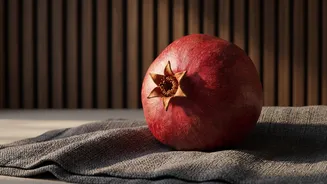
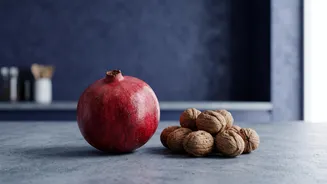
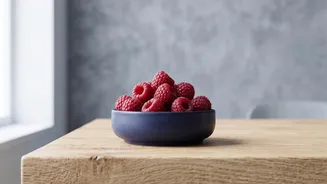
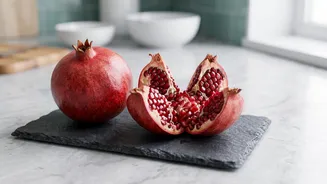
First, a common misconception must be cleared: you do not eat Urolithin A. It isn't found directly in pomegranates, walnuts, or berries. Instead, it is a 'postbiotic'—a beneficial compound created by our own bodies. When we consume foods rich in plant
compounds called ellagitannins, specific bacteria in our gut microbiome get to work. They transform these compounds into Urolithin A. This process is highly individual; not everyone has the right gut bacteria to produce it efficiently, meaning two people could eat the same handful of walnuts and have very different levels of Urolithin A in their system.
The Promise in the Laboratory
Recent scientific studies have generated significant excitement. Research, notably from institutions like King's College London, has shown that Urolithin A has a remarkable effect in preclinical models. In studies involving animal models of heart failure and engineered human heart tissue, the compound demonstrated a clear ability to improve the heart's function. Specifically, it helped the heart muscle to relax more effectively, reduced harmful scarring (fibrosis), and limited the enlargement of the heart that is a hallmark of failure. In some animal models, measures of heart function improved by up to 80% compared to untreated groups.
How Might It Work?
Researchers are uncovering several ways Urolithin A appears to work. One primary mechanism is by activating a process called mitophagy. Think of this as cellular quality control. It helps clear out and recycle old, damaged mitochondria—the powerhouses of our cells. In heart muscle cells, which have immense energy demands, healthy mitochondria are critical. By promoting the removal of dysfunctional ones, Urolithin A may help maintain cellular energy and resilience. More recent studies suggest another route: Urolithin A may also reshape the gut microbiome itself in ways that reduce systemic inflammation, providing a second, independent benefit to the cardiovascular system.
Targeting a Difficult Disease
Much of the research has focused on a particularly challenging condition called heart failure with preserved ejection fraction (HFpEF). This type accounts for about half of all heart failure cases and occurs when the heart pumps effectively but has become too stiff to relax and fill properly between beats. It is often linked to aging, obesity, and diabetes, and treatment options are limited. The finding that Urolithin A could improve the heart's ability to relax makes it a compelling candidate for a condition that currently has few targeted therapies.
From Lab Promise to Proven Treatment
This is the most critical part of the story: promising lab results are not the same as a proven treatment for people. The studies generating excitement were conducted on animal models and lab-grown tissues. While these are essential first steps, science must now bridge the gap to human patients. A small 2024 clinical trial involving 10 patients with a different type of heart failure (reduced ejection fraction) did not find a positive effect, though the researchers noted that studies with higher doses and longer durations are needed. Large-scale, long-term, randomized controlled trials are required to confirm whether Urolithin A is safe and effective for treating heart failure in humans. Until those results are in, it cannot be recommended as a medical treatment.
What This Means For You Today
It is tempting to want to act on this information, perhaps by eating more pomegranates or seeking out Urolithin A supplements. While eating a diet rich in fruits and nuts is generally healthy, it is not a guarantee that your body will produce Urolithin A. Supplements that provide the compound directly are available, but their use for heart failure is not supported by clinical evidence. For now, the story of Urolithin A is one of scientific potential, not clinical prescription. The most important action for anyone concerned about heart health is to follow the guidance of their doctor and stick to evidence-based treatments and lifestyle modifications.