






Build a Strong Foundation with the Right Pots
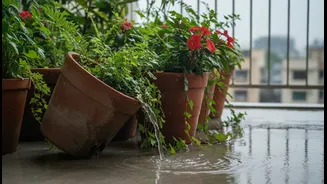
The single most common point of failure in a storm is a lightweight planter. Plastic and thin resin pots act like sails in the wind, easily tipping or being thrown. Your first line of defence is weight. Opt for containers made from heavier materials like terracotta,
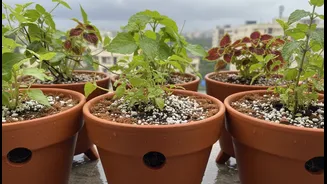
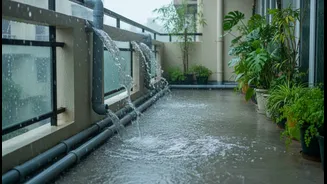
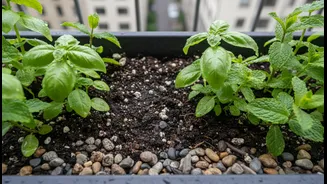
ceramic, concrete, or stone. These are naturally more stable and less likely to be pushed around by strong gusts. If you must use lightweight pots, consider the 'pot-in-pot' method: place the plastic nursery pot inside a larger, heavier decorative one. Another strategy is to add a layer of gravel or stones at the bottom before the soil, which lowers the pot's centre of gravity and makes it much more stable. Also, choose pots that are low and wide rather than tall and narrow; their broad base provides superior stability. No matter the material, ensure every pot has adequate drainage holes to prevent waterlogging during heavy rains, which can lead to root rot and add destabilising weight.
Choose Plants That Go With the Wind
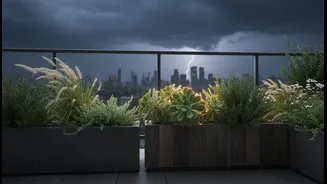
Not all plants are created equal when facing a gale. Tall, leafy plants with delicate stems are prime candidates for wind damage. Instead, choose species that are naturally resilient. Look for plants with flexible stems that bend rather than break, or those with a low, compact growth habit. Hardy succulents like agave and sedum are excellent choices as they are sturdy and drought-tolerant. For Indian climates, plants like Bougainvillea, hardy Hibiscus, Curry Leaves (Kadi Patta), and Lemongrass are well-suited for container life on an exposed balcony. Herbs such as Rosemary and grasses like Spider Plant are also fantastic, as their foliage offers less resistance to wind. If you want climbers, be aware that a trellis can act like a giant sail. Secure it firmly or choose climbers that can be pruned to maintain a manageable size, like Devil's Ivy or Bougainvillea.
Anchor Everything Securely
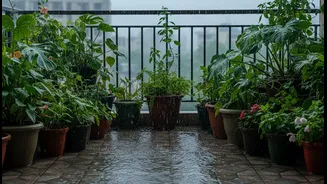
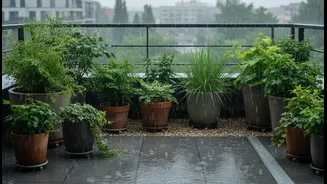
Even heavy pots can slide during a severe storm. Never underestimate the power of wind and rain. For railing planters, which are the most exposed, always use secondary anchors. Heavy-duty, UV-resistant zip ties or galvanised wire can be discreetly used to tether the planter to the railing itself, providing a crucial fail-safe. For larger, free-standing pots, consider their placement. Grouping containers together makes them mutually supporting and creates a microclimate that shields more delicate plants. Place the heaviest pots on the most exposed side of the group to act as a windbreak. Whenever possible, position pots against a wall or in a corner, as this reduces their exposure. For climbing plants on trellises, if you're allowed to drill, use masonry bolts to fix them to the wall. For renters, a planter box trellis, where the weight of the soil in the box anchors the structure, is a smart alternative.
Prepare for the Approaching Storm
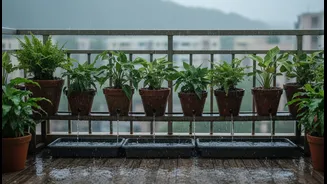
When you know bad weather is coming, a little preparation goes a long way. First, water your plants. Wet soil is significantly heavier than dry soil, which adds valuable weight and stability to your pots. Move your most delicate or lightweight plants indoors until the storm passes. For those that must remain outside, move them off elevated stands and onto the floor, preferably clustered together in a sheltered corner. If you have hanging baskets, they are particularly vulnerable. A good practice is to take them down and place them on the floor. If they must stay up, ensure they are secured with strong hooks and consider a dual-anchor system to prevent wild swinging. Finally, do a quick sweep of your balcony for any loose items—empty bags of soil, small tools, or decorative objects—that could become dangerous projectiles in high winds.