




The Woman Behind the Movement
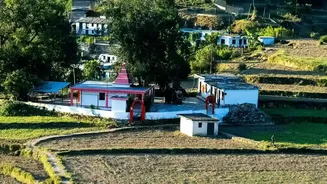
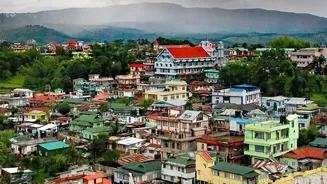
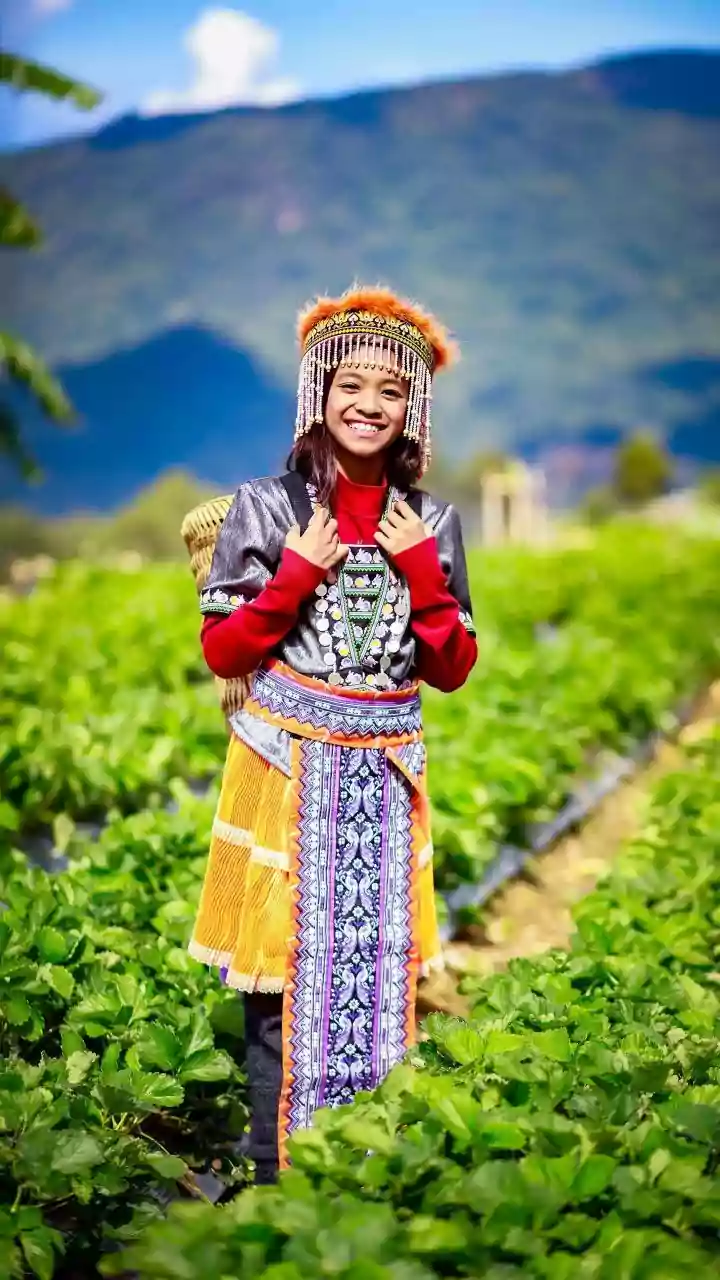
At the heart of this story is Trinity Saioo, a schoolteacher from Mulieh village in the West Jaintia Hills. Known affectionately as 'Turmeric Trinity', she was awarded the Padma Shri in 2020 for her incredible work in agriculture. Her journey began in 2003
when, looking to supplement her family's income, she started cultivating a specific type of turmeric. She soon realised its potential was far greater than the variety most local farmers were growing at the time.
What is Lakadong Turmeric?
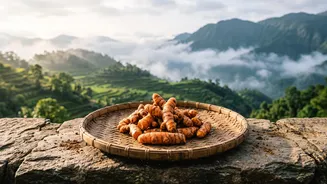
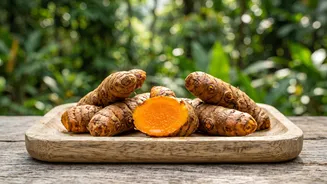
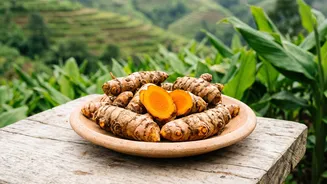
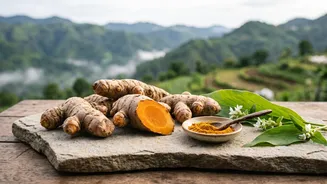
Not all turmeric is created equal. The Jaintia Hills are home to Lakadong turmeric, a variety prized for its exceptionally high curcumin content, which can be over 7%, compared to 2-3% in other varieties. Curcumin gives turmeric its vibrant colour and is the source of its medicinal properties and market value. For years, however, many local farmers had either abandoned farming for more lucrative coal mining or were growing a lower-value turmeric variety called Lachein, unaware of the 'edible gold' in their own soil.
From Individual Success to Community Action
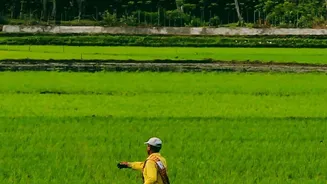
After planting Lakadong turmeric, Saioo saw her own income double. Her success did not go unnoticed. Other women in her village and surrounding areas wanted to know her secret. Saioo recognised two major hurdles: a lack of awareness about Lakadong's profitability and the high cost of its seed tubers, which poor farmers couldn't afford. This is where her role shifted from a farmer to a community leader. She began persuading other women to make the switch, starting a movement that would eventually involve over 900 farmers.
The Bridge to Government Subsidies
A critical turning point came when Saioo began liaising with the Spices Board of India, which offered subsidies for turmeric cultivation. This is the core of her initiative's success. Many of the women farmers were illiterate and could not navigate the required paperwork to access these government schemes. As a teacher, Saioo stepped in to help. She assisted hundreds of women with filling out forms, completing the necessary documentation, and understanding the formalities to avail financial and technical support from the Spices Board. By organising the farmers into Self-Help Groups (SHGs) and cooperatives, she created a formal structure that made it easier for them to collectively approach government bodies.
The Impact on Livelihoods and Policy
The results of this guidance have been transformative. Farmers who joined Saioo's initiative saw their incomes double and, in many cases, triple. The organised structure also allowed for better processing, marketing, and even exporting of the turmeric. The success of this grassroots movement has had a ripple effect on policy. It helped nudge the state government to launch the 'Lakadong Mission' in 2018 and the more recent 'Mission Golden Spice' in 2026, large-scale initiatives aimed at dramatically increasing Lakadong turmeric production and establishing it as a global brand.