



Rethinking Our Approach to Paneer
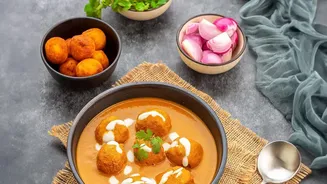
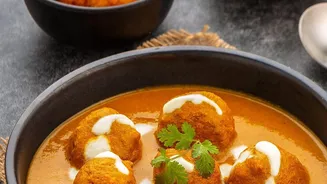
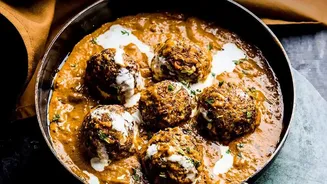
Paneer is a fresh, non-melting cheese with a mild, milky flavour, making it a perfect canvas for spices and textures. However, its delicate character is often lost when submerged in an overpowering curry. The common mistake is to treat it like a sponge,
expecting it to soak up flavour from a long simmer. In reality, overcooking is the primary cause of that dreaded rubbery, chewy texture. The proteins in paneer tighten quickly when heated, so prolonged cooking, especially in a boiling sauce, is its worst enemy. A more practical approach focuses on celebrating the paneer itself, using spices and cooking methods to enhance its inherent qualities rather than masking them.
The Art of the Grill: Char and Tenderness
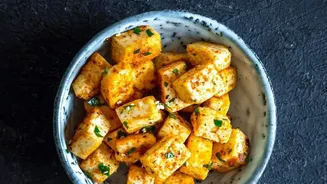
Grilling is one of the best ways to experience paneer's textural potential. The goal is a crisp, lightly charred exterior that gives way to a soft, warm interior. Success hinges on high heat and short cooking times. Get your pan or grill genuinely hot before the paneer touches it. This creates a quick sear, developing a delicious crust without giving the inside a chance to overcook and turn rubbery. Marination is key, but not for absorption; it’s for surface flavour. A thick marinade of yogurt, spices like cumin and coriander, and a touch of gram flour (besan) helps tenderise the surface and creates a fantastic crust. Grill for only 2-3 minutes per side. The moment the paneer releases easily from the grill, it's ready to be flipped.
The Surprise Inside: Creating with Stuffed Paneer
Stuffing paneer elevates it from a simple ingredient to a self-contained dish. This technique introduces a contrasting texture and a burst of flavour in the centre. You can create a pocket in a thick slab of paneer or sandwich a filling between two thinner slices. The filling options are endless. A popular choice involves a savoury mixture of spiced vegetables, chopped nuts, or even other cheeses. For instance, a filling of finely chopped onions, chillies, ginger, and spices, sometimes bound with a little mashed potato, creates a wonderful contrast to the mild paneer. The stuffed paneer can then be pan-fried until golden or even baked. This method provides a more complex eating experience, where the creamy paneer is complemented by the distinct texture and taste of what's inside.
The Humble Crumble: Maximising Flavour
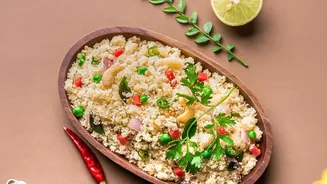
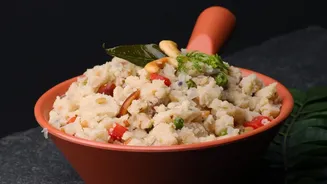
Crumbled paneer, the star of paneer bhurji, offers a completely different texture: soft, granular, and incredibly absorbent of flavour. The key to a great bhurji is to not overcook the crumble. Once the onion-tomato masala is ready and fragrant with spices like turmeric, red chilli powder, and garam masala, the crumbled paneer is added right at the end. It only needs a couple of minutes in the pan to heat through and meld with the spices. Cooking it for too long will dry it out and make it tough. Using fresh, homemade paneer often yields the best texture for bhurji, as it's softer and more moist. If using store-bought paneer, soaking it in warm water for 15-20 minutes before crumbling can make a significant difference.
Spice and Method: A Perfect Match
Instead of relying on a cup of heavy cream, let your spice box do the heavy lifting. The cooking method should inform your spice choices. For grilling, a robust marinade with mustard oil, ginger-garlic paste, and tandoori spices works wonders to create a flavourful crust. For stuffed paneer, the spices in the filling can be more delicate, complementing the main flavour without overwhelming it. Think cumin, coriander, and perhaps a pinch of amchoor (dry mango powder) for tang. In a crumble, where the paneer is mixed directly with the spice base, blooming whole spices like cumin seeds in oil first, followed by aromatics like onion and ginger, builds a deep flavour foundation that the paneer can readily embrace. This thoughtful pairing of spice and technique is what truly unlocks paneer’s potential.