






The Social Media Storm
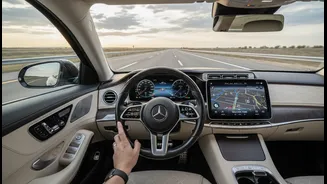
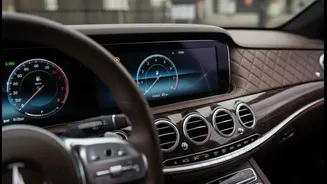
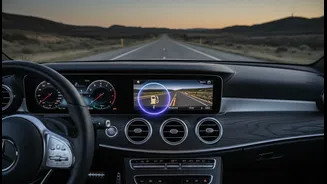
The controversy began when popular vlogger Sourav Joshi shared his experience with his Mercedes-Benz SUV. In a video that quickly gained traction, Joshi claimed his vehicle's mileage had plummeted from a respectable 17 km/l to an alarming 5 km/l in just
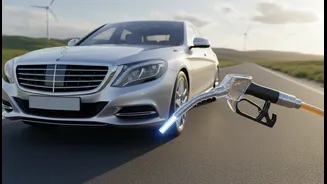
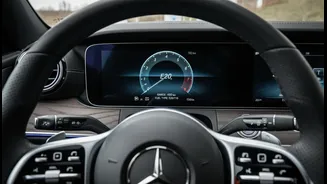
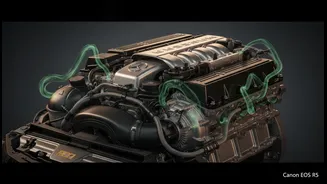
two days. He attributed this drastic drop in efficiency to the use of E20 petrol, a blend of 20% ethanol and 80% petrol that is becoming standard across India. Joshi also noted his car's estimated driving range on a full tank had nearly halved, from around 800 km to just 480 km. His concerns about potential engine damage and poor performance resonated deeply with his audience, igniting a firestorm of discussion online about the real-world impacts of ethanol-blended fuels.
Mercedes-Benz Issues an Advisory
In response to the growing conversation, Mercedes-Benz India acted quickly. Without mentioning the vlogger by name, the company released a formal "Customer Advisory" through its official social media channels. The statement was clear and direct: "All Mercedes-Benz petrol BS VI vehicles are materially compatible with E20 fuel and certified accordingly by relevant authorities." The advisory stressed that customer safety, vehicle reliability, and performance are of paramount importance to the brand. This communication was a classic corporate move to manage a potential crisis, aiming to reassure its customer base and the market that its vehicles are technically sound and compliant with current fuel standards.
The Unresolved Mileage Question
While the advisory from Mercedes-Benz provided technical reassurance, it did not address the core issue that made the video go viral: the significant drop in mileage reported by the user. The statement confirmed the cars are engineered to run on E20 fuel without damage, but it offered no explanation for why an owner might experience such a severe loss of fuel efficiency. This is the unresolved heart of the matter. Experts and even some official sources acknowledge that ethanol has a lower energy density than petrol, meaning E20 blends can inherently reduce mileage, though typically only by a small percentage, often cited as 2-6%. The gap between this expected minor dip and the dramatic drop claimed in the video remains a source of concern and speculation for many drivers.
A Familiar Frustration for Indian Drivers
This incident taps into a long-standing frustration among Indian car owners regarding the gap between advertised mileage and on-road performance. The official figures cited by manufacturers are certified by the Automotive Research Association of India (ARAI). However, these ARAI tests are conducted in controlled laboratory settings on a dynamometer, with no air conditioning, gentle acceleration, and no real-world traffic. As a result, the certified mileage is almost always higher than what a consumer achieves in daily driving. This discrepancy has made fuel efficiency a sensitive and often contentious topic, and any perceived drop, whether due to fuel changes or other factors, is met with heightened concern, especially given the high cost of fuel.