




What Exactly Is Matcha?
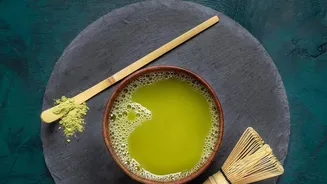
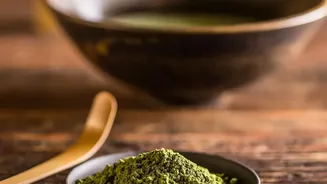
First, let's clear up what matcha is and isn't. While it comes from the same plant as regular green tea (Camellia sinensis), the process is entirely different. Tea plants destined for matcha are shade-grown for a few weeks before harvest to boost their
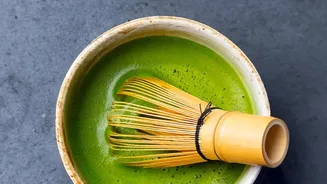
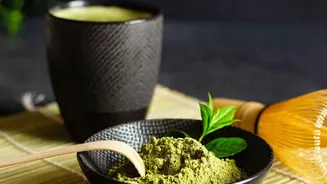
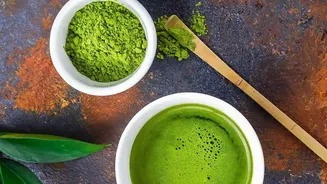
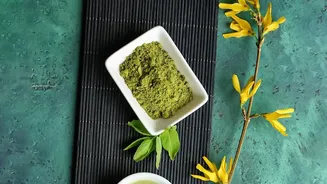
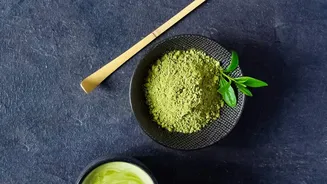
chlorophyll and L-theanine content. After harvesting, the leaves are steamed, dried, and stone-ground into a fine, brilliant green powder. The key difference is that when you drink matcha, you are consuming the entire leaf, not just an infusion. This means you get a much more concentrated dose of the nutrients, caffeine, and antioxidants present in the leaves. Its flavour is also distinct—often described as rich and earthy with a savory 'umami' quality, a far cry from the lighter, more delicate taste of steeped green tea.
The Search Data Doesn't Lie
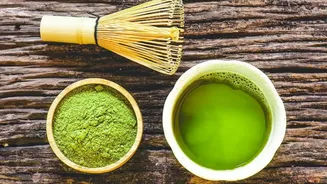
The shift from niche interest to widespread curiosity is backed by hard data. According to Google Trends reports from late 2026, searches in India for "how to make matcha" skyrocketed by a staggering 1,300% over the past year. General queries like "what is matcha" also rose by 50%, while questions about its taste saw breakout interest. This curiosity is translating into action, with searches for "matcha kit," "matcha whisk," and "matcha bowl" also surging, indicating a move from cafe trial to home preparation. The trend is particularly strong in urban centres, with Delhi leading the charge in "matcha near me" searches, followed by Goa, Chandigarh, and Karnataka.
The Wellness and Health Connection
A huge driver of matcha's popularity is its association with health and wellness. The search data reflects this, with queries for "matcha health" and "matcha protein" climbing by 1,000% and 2,500% respectively. Matcha is packed with antioxidants, particularly catechins like EGCG, which are believed to help protect cells from damage and reduce inflammation. Unlike the sharp jolt from coffee, the caffeine in matcha is released more slowly, thanks to the presence of the amino acid L-theanine. This combination is said to provide a state of 'calm alertness,' enhancing focus without the anxiety or subsequent crash associated with other caffeinated drinks. Studies suggest a range of potential benefits, from improved brain function and heart health to stress reduction.
An Indian Makeover: From Lattes to Ladoos
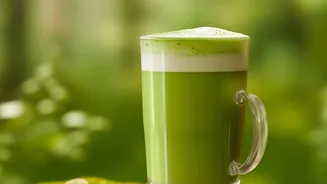
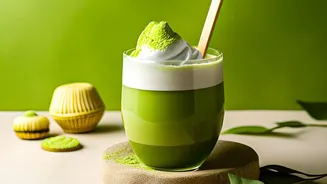
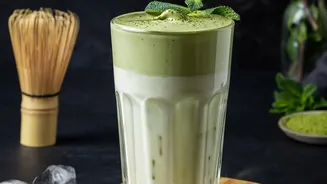
While traditional Japanese tea ceremonies involve whisking matcha with hot water, India is giving it a creative and distinctly local twist. The most popular entry point is the matcha latte, but the experimentation goes much further. Search trends show a significant rise in interest for flavour combinations like "mango matcha" and "strawberry matcha". Creative chefs and home cooks are incorporating the green powder into everything from coconut ladoos and cheesecakes to savoury dishes like matcha masala dosa tacos. This adaptation is key to its growing acceptance, blending a global ingredient with familiar Indian flavours and formats, making it more approachable for a wider audience.
A New Ritual in a Chai-Loving Nation
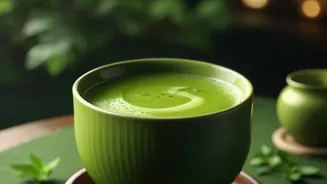
In a country where the ritual of making and drinking chai is deeply embedded in the cultural fabric, where does matcha fit in? It's not about replacement but coexistence. Chai remains the undisputed king of beverages, a comforting and ubiquitous part of daily life. Matcha, on the other hand, represents something different. It aligns with a growing café culture and a desire among urban consumers, particularly millennials and Gen Z, for new, premium, and experience-driven products. The preparation of matcha, whether a quick latte at home or a traditional whisked bowl, offers a new kind of mindful ritual—one that feels both modern and rooted in ancient tradition.