


Understanding the Basics of Bulb Health
Before you even get your hands dirty, it’s vital to understand what a hyacinth bulb needs to thrive. The two most critical factors, as the headline suggests, are drainage and planting depth. Bulbs are essentially self-contained survival packs, but they
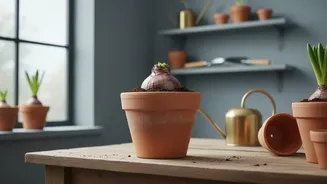
are highly susceptible to rot if they sit in soggy soil. Without proper drainage, a bulb can quickly turn to mush, ending your floral ambitions before they begin. Equally important is the concept of giving the 'bulb shoulders' room. This refers to the upper, broader part of the bulb from which the stem will emerge. Planting a bulb too deep can exhaust its energy reserves before it even reaches the surface, while planting it too shallowly can lead to instability. The goal is a happy medium where the very tip of the bulb is often left peeking out of the soil.
Choosing the Perfect Container
Your first major decision is selecting the right pot. The single most important feature is a drainage hole. If you fall in love with a decorative pot that lacks one, it's best to use it as a cachepot—a decorative outer container that holds a simpler, functional pot with drainage inside. Terracotta pots are an excellent choice as the porous clay allows soil to dry out more evenly, reducing the risk of waterlogged roots. When it comes to size, a single bulb needs about a 4-inch diameter pot, while a 6-inch pot can comfortably house three to four bulbs for a fuller display. When planting multiple bulbs, you can place them closely, even allowing them to touch, which creates a stunning mass of colour and fragrance when they bloom.
The Ideal Soil and Planting Method
Hyacinths are not overly fussy but demand a soil that drains well. You can purchase a quality, all-purpose potting mix or a soilless mix from any garden centre. These are designed to hold moisture without becoming compacted or waterlogged. To improve drainage further, you can add a bit of sand or perlite to your mix. When you're ready to plant, fill your pot partway with the moistened soil. Set the bulbs on the soil surface, pointed end up. Plant them so that the top third of the bulb—the 'shoulders' and tip—sits just above the soil line. The general rule for outdoor planting is a depth of about 6 inches, but for indoor pots, a shallower planting with the tip exposed works perfectly. Fill in around the bulbs with more soil, gently firming it down. Water thoroughly once after planting to settle the soil and encourage root growth.
The Crucial Chilling Period
Forcing hyacinths to bloom indoors during winter requires tricking them into thinking they've already been through winter. This process, called vernalization, involves a mandatory chilling period. After potting, the bulbs need to be stored in a dark, cool place for at least 13 weeks. Ideal temperatures are between 35 and 48°F (around 2 to 9°C). An unheated garage, a cold cellar, or even the vegetable drawer of a refrigerator will work, as long as the bulbs are kept away from ripening fruit like apples, which release ethylene gas that can inhibit flowering. During this time, check the soil periodically; it should be kept lightly moist, not completely dry and not wet. You’ll know the chilling period is working when you see roots emerging from the drainage hole and small, pale shoots appearing at the top.
Bringing Your Hyacinths into Bloom
After the long chill (13 to 15 weeks), when the shoots are an inch or two tall, it's time to gradually bring your hyacinths into the light. Don't move them directly into a bright, sunny window. Instead, acclimate them over a week by first placing them in a spot with cool, indirect light. As the shoots turn green and grow taller, you can move them to a sunnier spot. Bright, indirect light is best for promoting strong stems and long-lasting flowers. Direct, hot sun can cause the flowers to fade quickly. Keep the soil consistently moist as the plant grows, and get ready to enjoy the spectacular colour and intoxicating fragrance you've been waiting for.