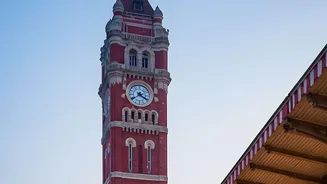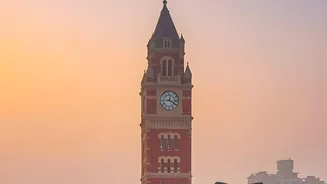




A Station on the Edge of History
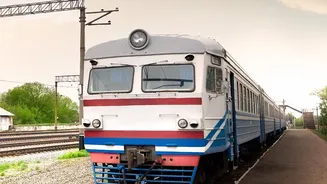
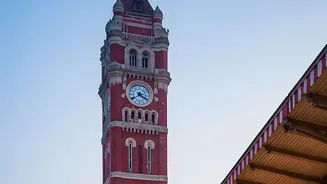
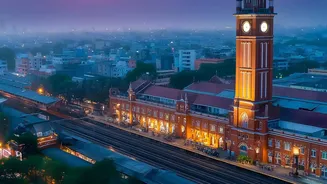
Opened in 1862, Attari railway station, now officially named Attari Sham Singh Railway Station, was once just another stop on the busy Amritsar-Lahore line. Its fate, however, was irrevocably changed by the stroke of a pen in 1947. The Partition of British
India transformed it from an inland junction into a frontier outpost, the last Indian station before the newly-drawn border with Pakistan. Overnight, it became a place of heart-wrenching goodbyes and desperate arrivals. The station was a primary gateway for the greatest migration in human history, witnessing unimaginable tragedy as 'ghost trains'—trains filled with victims of the communal violence—crossed the new border in both directions. This history is etched into its very foundations, making it a solemn monument to a painful past.
The Journey of the 'Friendship Express'
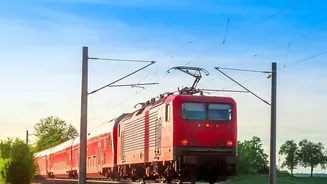
For decades after Partition, direct rail links remained severed. Then, following the Shimla Agreement, the Samjhauta Express began its service on July 22, 1976. The name 'Samjhauta' translates to 'agreement' or 'compromise', and the train was a powerful symbol of hope, connecting families divided by the border. Attari was its crucial interchange. Passengers arriving from Delhi would disembark here for extensive customs and immigration checks before boarding the Pakistani train for the short journey to Lahore. The station was the point where the Indian-run Attari Special Express ended and the Pakistani-run Samjhauta Express began, a carefully choreographed dance of diplomacy and security.
India’s Most Secure Railway Station
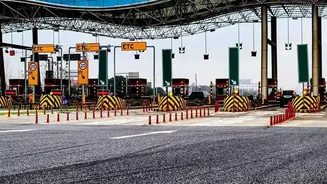
Attari is not a station you can simply walk into. Its unique position as a border crossing means it operates under extreme security protocols, more akin to an international airport than a railway platform. To even enter the station, a valid passport and visa are mandatory for all passengers. The premises are under constant surveillance by a multitude of security forces, including armed personnel and CCTV monitoring. In a measure to further tighten security and control, even licensed porters are not permitted to operate here. Every bag is scanned, every document checked, reflecting the station's sensitive geopolitical role. This intense security made it a fortress-like facility, a stark contrast to the symbolism of the 'Peace Train' it served.
A Silent Platform
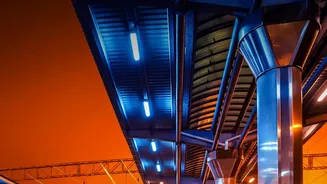
The journey of the Samjhauta Express was never smooth, often becoming a barometer for India-Pakistan relations. The service was suspended multiple times due to political tensions, including after the 2001 Parliament attack and again following the 2019 Pulwama incident. In August 2019, following political developments in Jammu and Kashmir, Pakistan permanently suspended the service. India followed suit, and the tracks at Attari fell silent. Today, the once-vital platform wears a deserted look. The immigration counters are empty, and the passenger halls are quiet. The station that once buzzed with the emotions of cross-border travel—tearful reunions and sorrowful partings—now stands largely empty, a poignant symbol of the suspended dialogue between the two nations.