


The Power of a Pretty Plate
Imagine two plates of avocado toast. One features the avocado neatly sliced and arranged in a symmetrical fan. The other has the exact same amount of avocado unceremoniously mashed and spread. Which one seems healthier? If you picked the first one, you're
not alone. A growing body of research shows that people consistently perceive neatly presented food as healthier than its messy counterpart, even when the ingredients and calories are identical. This phenomenon, known as the 'pretty-is-healthy' bias, reveals a powerful connection between aesthetics and our perception of nutrition. It’s not just about taste; the visual order and harmony on your plate can trick your brain into making assumptions about a food's caloric content and naturalness.
What the Science Says
Multiple studies have explored this fascinating link. A key study published in the Journal of Marketing by researcher Linda Hagen found that food presented with 'classical aesthetics'—principles like symmetry, order, and clear patterns—was rated as more natural and therefore healthier. In her experiments, participants viewed pretty and ugly versions of the same food, like avocado toast, and consistently rated the prettier version as being more nutritious and lower in calories, despite knowing the ingredients were the same. This is because our brains associate order and symmetry with nature, and we tend to believe 'natural' things are better for us. Another study from 2022 confirmed that even the beauty of the plate itself can make food seem healthier and tastier. These findings suggest our eyes create powerful expectations before we ever take a bite.
The Simple Technique: Create Order
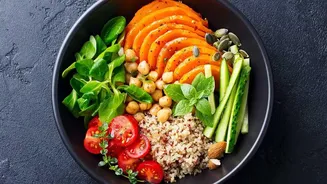
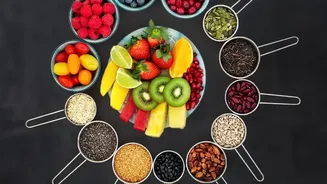
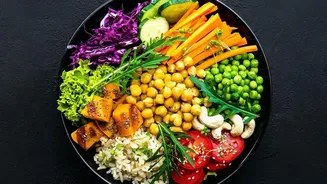
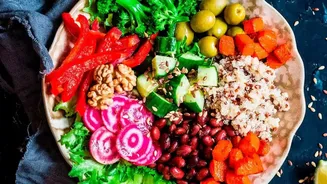
The single most effective technique to leverage this psychological quirk is to create a sense of deliberate order on your plate. This is the simple meal-presentation trick at the heart of the research. Instead of piling food randomly, take a moment to arrange it with intention. Think like a food stylist, even for a simple weekday meal. Studies focusing on 'classical aesthetics' show that creating balance and structure is key. This doesn't require culinary school training. It can be as simple as placing your main protein in the centre, grouping vegetables together, and ensuring there is some empty space on the plate to frame the food. The contrast between an organised plate and a chaotic one sends a strong signal to your brain. Order implies care and mindfulness, which we subconsciously translate into healthfulness.
Why Neatness Equals Healthiness
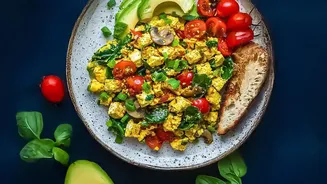
The psychological reasons behind this bias are rooted in deep-seated cognitive shortcuts. Our brains are wired to find patterns and order appealing because they are predictable and easy to process. This preference for order, often found in nature (think of a honeycomb or a spider's web), creates a 'halo effect'. When we see a plate of food that is neat, symmetrical, and well-organised, our brain interprets it as being more natural and less processed. This perceived naturalness triggers the assumption of healthiness. Conversely, a messy or chaotic presentation can suggest a lack of control or an excess of ingredients, leading us to perceive the food as more indulgent or unhealthy. A recent Japanese study even found that simply placing sauce on the side rather than drizzling it all over made a dish appear significantly healthier to diners.
Putting It Into Practice at Home
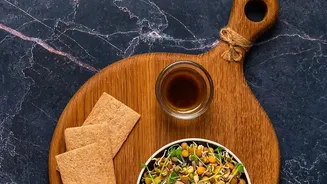
You can easily apply this principle to your own meals to enhance your dining experience and perhaps even encourage healthier perceptions. Start by choosing the right 'canvas'; studies show a clean, round, white plate often works best. When plating, think about creating a visual focal point. Place the main element, like a piece of fish or chicken, slightly off-centre. Arrange other components, like vegetables and grains, in distinct groups around it. Use colour and contrast to make the plate visually stimulating. For example, pair a piece of salmon with vibrant green asparagus. Even something as simple as wiping the rim of the plate clean creates a sense of intention and care. By taking an extra minute to arrange your meal thoughtfully, you are not just making it look better—you are actively shaping the entire experience of eating it.