




Location, Location, Location
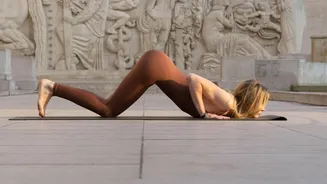
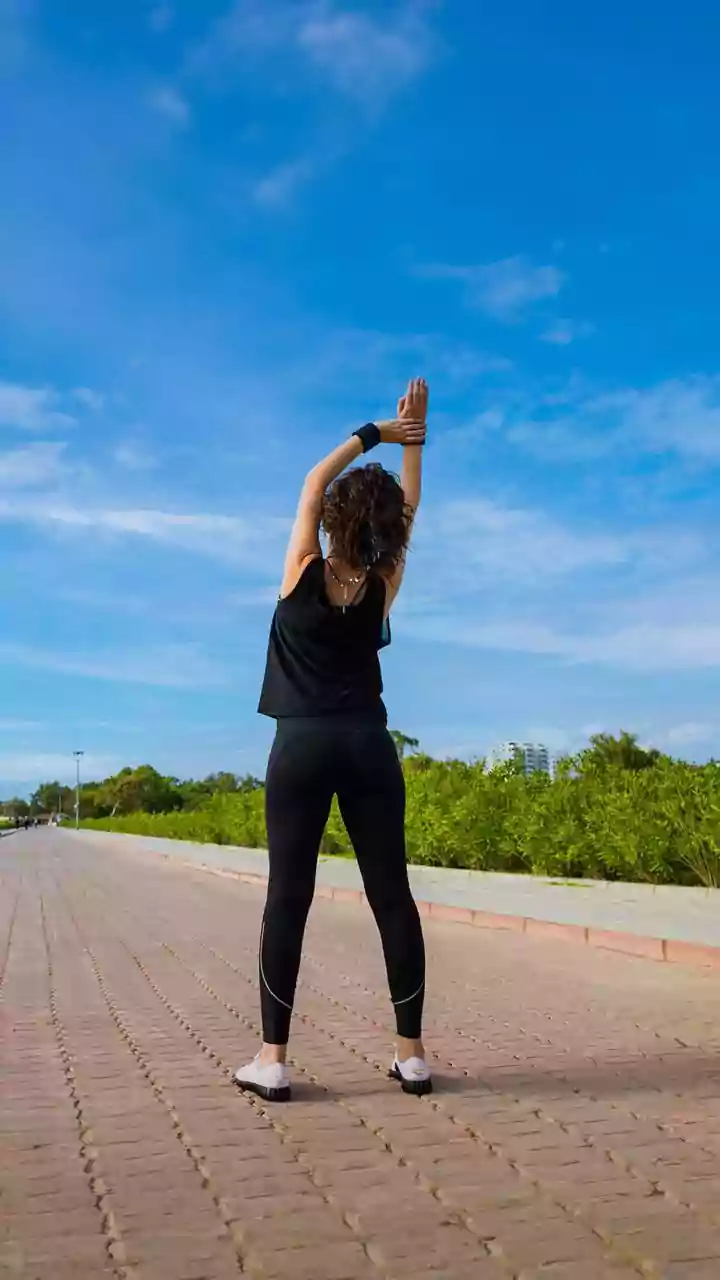
Before you unroll your mat, scout your location. An ideal spot is not just flat, but also relatively quiet and out of the way of heavy foot traffic. A secluded corner of a park plaza or a wide, unused stretch of pavement is better than a busy thoroughfare.
Be mindful of your surroundings; you need enough personal space to extend your limbs without encroaching on public pathways. Consider the time of day—early mornings or evenings are often less crowded, allowing for a more focused and peaceful practice. Also, make sure you are in an area where this activity is permitted to avoid any interruptions. A spot that feels safe and private will help you relax and prevent you from feeling vulnerable or shy.
Navigating Hard and Uneven Surfaces
Concrete and asphalt are unforgiving. Unlike a studio floor or soft grass, these hard surfaces offer zero cushioning, which can be tough on your joints, particularly your wrists, knees, and ankles. Even seemingly flat sidewalks can have subtle slopes or cracks. While a slightly uneven surface can challenge and strengthen your stabilizing muscles, significant irregularities can increase the risk of injury. Before starting, inspect the ground for debris like pebbles or glass. Test the surface with a few gentle movements to gauge its stability. The hardness means you need to be extra mindful in poses that put direct pressure on joints, as there's no give to absorb the impact.
The Right Gear for Urban Ground
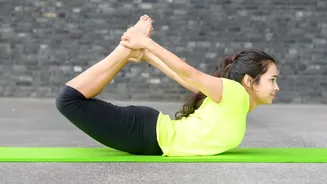
Your standard yoga mat might not be enough. Hard, rough surfaces can damage a thin mat and still leave your joints feeling the pressure. Consider using a thicker mat, around 5mm or 6mm, for better cushioning. Some practitioners even double up, placing a cheaper mat underneath a nicer one for extra padding. A dense, firm mat is often better than a soft, squishy one, as overly soft surfaces can also create instability. If you're practicing without a mat, be extremely cautious. While it can enhance your connection to the ground, it also exposes you to dirt and potential injury from unseen hazards. A thick towel can be a good compromise, offering a clean layer without the bunching that a mat can experience on an uneven surface.
Modify Poses for Stability and Safety
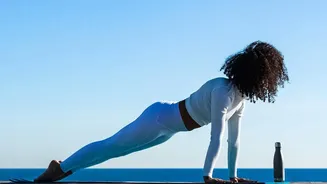
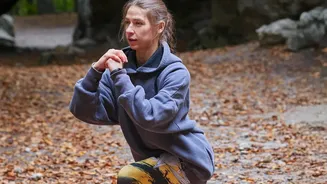
Success on the sidewalk means adapting your practice. Prioritize stable, grounding poses. Mountain Pose is an excellent foundation to build from, helping you find your alignment from the ground up. For balancing poses like Tree Pose or Half Moon Pose, don't be afraid to shorten the hold time or use a nearby wall or bench for support. Be cautious with poses that place significant weight on the wrists, like Downward-Facing Dog or planks. The hard surface can cause the heel of the hand to sink, straining the joint. Consider skipping complex vinyasa flows that involve repeatedly jumping back and forth. Instead, step back and forth gently. Focus on poses that build strength and stretch without requiring perfect balance, such as lunges and seated stretches, which are more adaptable to urban environments.
Embrace the Outdoor Experience
Practicing in public comes with distractions—passersby, traffic noise, and changing weather. Instead of fighting these elements, try to incorporate them into your practice as a form of mindfulness. Use the sounds of the city as a unique backdrop to your breathing. Remember to prepare for the elements by wearing layers and using sunscreen, regardless of whether it's cloudy or sunny. Staying hydrated is also even more critical when you're outside. Sidewalk yoga is a different beast than studio yoga; it’s less about achieving the perfect pose and more about finding a moment of connection and movement in an unconventional setting. Focus on how your body feels and adapt as needed, and you can turn any stable surface into your own personal studio.