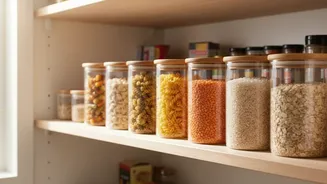







Start with Airtight Storage
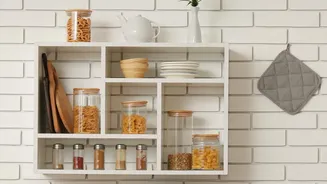
The first and most critical step in pest-proofing your pantry is to rethink how you store dry goods. Pests like weevils and pantry moths often enter our homes as unseen eggs or larvae on packaged goods from the store. Cardboard boxes and thin plastic
or paper bags are no match for a determined pest, which can easily chew through them. Transferring items like flour, rice, pasta, cereal, and nuts into airtight containers made of glass, metal, or thick plastic creates a physical barrier. This not only keeps new pests out but also contains any potential infestation that may have been brought home, preventing it from spreading to other foods. Think of these containers as your first line of defence, turning your pantry into a fortress against unwanted intruders.
Maintain a Dry Environment
Pests are not only looking for food; they also need moisture to survive and thrive. A damp or humid pantry is an open invitation, as moisture can soften cardboard packaging and accelerate food spoilage, creating an even more attractive environment for insects. Make it a priority to keep your pantry shelves completely dry. Immediately wipe up any spills, especially sticky ones. If you live in a humid climate, ensure the area has adequate ventilation. Poor airflow can lead to the kind of damp conditions that pests love. Some experts even recommend using a dehumidifier or moisture absorber if your pantry is naturally prone to dampness. A dry pantry is an inhospitable one for bugs.
Commit to a Cleaning Routine
Regular cleaning is non-negotiable for pest prevention. Crumbs and food particles that gather in corners, cracks, and crevices are a feast for insects. A thorough cleaning at least once a month can make a huge difference. This means taking everything off the shelves, vacuuming up any debris, and wiping all surfaces down with soap and water or a vinegar-water solution. Pay special attention to the small peg holes for adjustable shelves, as these are notorious hiding spots for moth eggs. Don't forget to clean the containers themselves before refilling, as old food residue can contaminate a new batch.
Adopt Smart Shopping and Rotation Habits
Pest prevention begins before you even get home. Inspect packaging at the grocery store for any signs of damage, like rips or small holes, which could indicate an existing infestation. Once home, consider freezing newly purchased grains or flours for three to four days before moving them to your pantry containers; this will kill any potential eggs or larvae. It is also wise to practice the “first-in, first-out” method of food rotation. Keep older items at the front of your shelves and place new purchases at the back. This ensures you use up products before they expire and become more attractive to pests.