




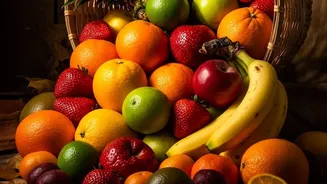

The Secret Culprit: Ethylene Gas
The phenomenon of one fruit accelerating the ripening of another comes down to a simple, invisible agent: ethylene gas. Ethylene is a natural plant hormone, an odourless, colourless gas that most fruits and vegetables produce to regulate their own ripening process.
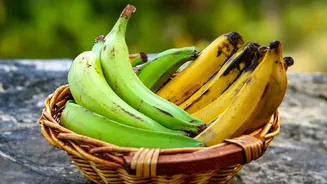
As a fruit matures, it releases ethylene, which in turn triggers several changes. This includes the breakdown of starches into sugars (making the fruit sweeter), the softening of cell walls (making it less firm), and the disappearance of green chlorophyll to reveal the yellow, orange, or red pigments underneath. This process is a natural part of a plant's life cycle, often nicknamed the “ripening hormone.”
Apples as Ethylene Super-Producers
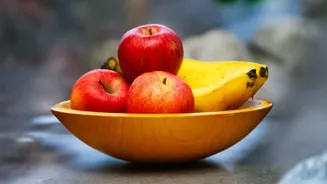
Not all fruits are created equal when it comes to ethylene. Some are prolific producers, while others release very little. Apples are one of the most well-known high-ethylene producers. As an apple ripens, it emits a significant amount of this gas into its surroundings. When you place an apple in a fruit bowl, you are essentially creating a small chamber where ethylene concentration can build up. This is why storing apples can have such a dramatic effect on the other produce around them, acting as a catalyst and setting off a chain reaction of ripening.
Why Bananas Are So Sensitive
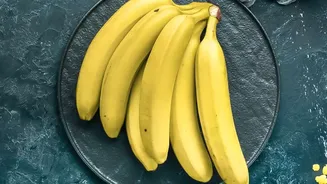
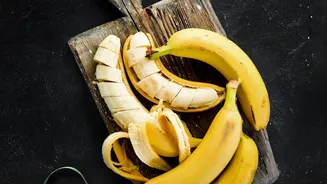
Bananas are what's known as a climacteric fruit, meaning they produce a large burst of ethylene themselves as they ripen and are also highly sensitive to external ethylene gas. When a still-green banana is exposed to the ethylene released by a nearby apple, it kick-starts the banana's own ripening machinery. Its internal ethylene production surges, triggering the rapid conversion of starch to sugar and the softening of its flesh. This is why a banana can go from perfectly yellow to overly soft and spotted so quickly when stored next to an apple or other high-ethylene-producing fruits.
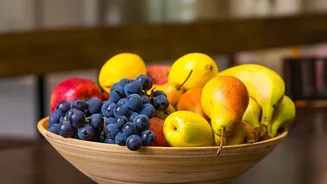
A Fruit Bowl Full of Characters
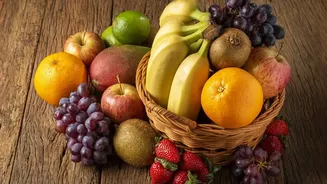
This chemical conversation isn't limited to just apples and bananas. Understanding which fruits are major producers and which are sensitive can help you better manage your produce. Other high-ethylene producers include avocados, pears, peaches, plums, and cantaloupes. Fruits and vegetables that are highly sensitive to ethylene include asparagus, broccoli, carrots, cucumbers, and leafy greens, which can yellow, soften, or become bitter when exposed. Interestingly, some fruits, like bananas and avocados, appear on both lists; they produce a lot of ethylene and are also very sensitive to it.
How to Master Your Fruit Storage
Armed with this knowledge, you can become the master of your fruit bowl. To slow down ripening and make your produce last longer, separate the high-ethylene producers from the ethylene-sensitive items. For instance, store your apples in the refrigerator's crisper drawer and keep your bananas on a separate hook or counter. But you can also use this science to your advantage. If you have a rock-hard avocado or a firm peach you want to eat sooner, place it in a paper bag with an apple or a ripe banana for a day or two. The bag will trap the ethylene gas, speeding up the ripening process and delivering a perfectly ripe fruit right when you want it.