



A Taste of India in Orbit
The menu for India's first human spaceflight mission is a testament to the country's culinary diversity, designed to give its astronauts a comforting taste of home. Developed by the Mysuru-based Defence Food Research Laboratory (DFRL), the offerings read
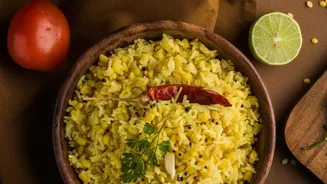
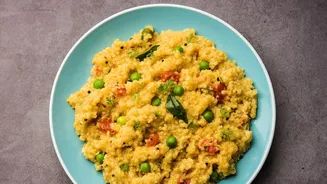
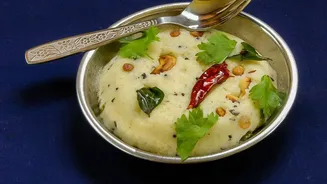
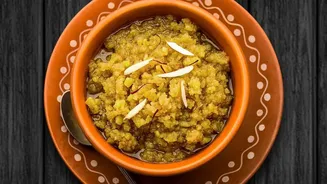
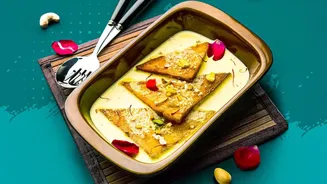
like a classic Indian restaurant menu, adapted for the rigours of space. Astronauts will have options like chicken biryani, vegetable biryani, aloo paratha, sambar with rice, and dal khichdi. For lighter meals and breakfast, there's idli, upma, and various rolls. And for a sweet finish, moong dal halwa and gajar halwa are on the list. The DFRL has developed around 60 ready-to-eat and instantised dishes, ensuring variety for the seven-day mission. Even familiar comforts like mango pickle have been included to add a touch of home. This extensive, culturally specific menu underscores a key goal: to provide not just nutrition, but also psychological comfort.
The Science of Zero-G Dining
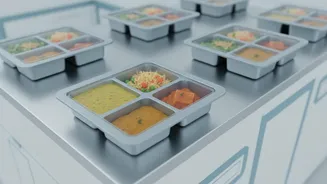
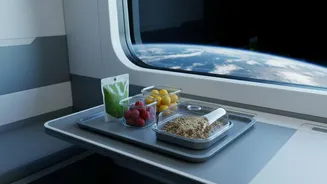
You can’t just pack a tiffin box for space. Food must be lightweight, compact, nutritious, and produce minimal crumbs, as floating particles can damage sensitive equipment. This is why bread is typically off the menu. The DFRL has employed techniques like dehydration and thermo-stabilisation to ensure the food is safe and has a long shelf life. Another challenge is that microgravity affects an astronaut's sense of taste and smell, often making food seem bland. To combat this, space food is often spicier or more flavourful than its Earth-bound equivalent. The Gaganyaan menu will be mildly spicy, with extra spice sachets for those who want an extra kick. ISRO and DFRL have also developed special food warmers, liquid dispensers, and stainless steel cutlery to make the dining experience as normal as possible in an extraordinary environment.
How Did Axiom-4's Menu Compare?
The recent private Axiom-4 (Ax-4) mission, which included Indian-origin astronaut Shubhanshu Shukla, offered a more international and bespoke menu. Rather than a single nationally-curated list, the menu was a collection of personal favourites from its multicultural crew. One shared meal aboard the International Space Station (ISS) featured rehydrated shrimp cocktails, chicken and beef fajitas, and a cake made from sweet bread and walnuts provided by the cosmonauts. The Ax-4 crew also brought specific items reflecting their heritage: Shukla took moong dal and gajar halwa, a Polish astronaut had pierogi and leczo stew, and a Hungarian crew member brought spicy paprika pastes and a special 'space chocolate'. While delicious and comforting, the Ax-4 menu was an amalgamation of individual choices from different nations, typical of international collaborations on the ISS. It was a potluck in orbit, whereas Gaganyaan's menu is a carefully planned, single-origin culinary package.
Food as a Final Frontier for Culture
The difference between the two menus highlights a broader trend. For a national space program like Gaganyaan, food is an expression of self-reliance and cultural pride. Providing a full menu of Indian dishes, developed by an Indian defence lab, is a powerful statement. It shows that India can handle every aspect of human spaceflight, right down to the astronauts' daily meals. This approach follows in the footsteps of NASA and other national agencies, which have long curated menus reflecting their own food cultures. In contrast, missions like Ax-4 showcase a different, more globalised model of space travel, where international crews share and exchange their favourite foods. While one celebrates unity through diversity, the other reinforces national identity on a new frontier. Gaganyaan's savoury spread of biryani, parathas, and curries is not just about feeding its crew; it's about projecting Indian culture and capability into the cosmos.