




Pakistan's farmers are heading into the crucial winter planting season under a cloud of uncertainty. The nation's water regulator, the Indus River System Authority (IRSA), has flagged a significant water shortage for the upcoming Rabi season.
A 22 Percent Shortfall
The IRSA
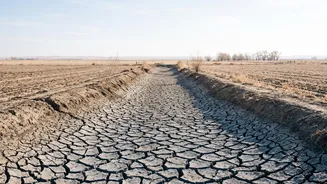
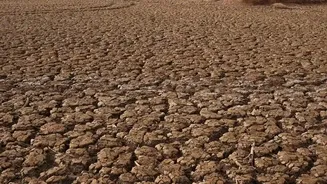
Advisory Committee has formally approved an anticipated water shortage of 22 percent for the Rabi season, which runs from October 2026 to March 2027. This shortfall will primarily impact Punjab and Sindh, the two provinces that form Pakistan's agricultural heartland and are responsible for the vast majority of its food production. The decision was based on projections of lower-than-average inflows into the country's main rivers. While total water availability for the provinces is projected at around 29.18 million acre-feet (MAF), the anticipated river inflows are only expected to be about 21.27 MAF. This gap between demand and supply creates the deficit that farmers must now navigate.
Why Is There Less Water?
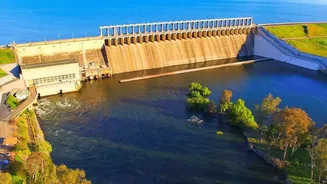
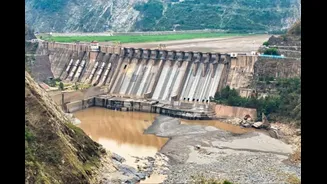
The warning comes on the heels of a disappointing Kharif (summer) season, where water inflows were 8 percent below anticipation and 22 percent lower than the previous year. This has left the country's major water reservoirs, Tarbela and Mangla dams, with significantly lower storage levels than last year. As of the end of September, total water storage stood at 9.343 MAF, a steep drop from 13.214 MAF at the same time in 2025 and below the ten-year average. Delays in key infrastructure projects at the Tarbela Dam have also been cited by IRSA as a contributing factor, as they have restricted the dam's ability to store its maximum capacity of water.
Wheat Production at Risk
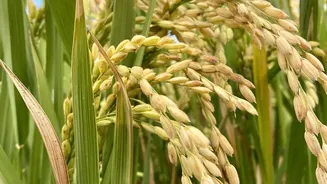
The primary concern is the impact on the wheat crop, the main staple food in Pakistan. A successful wheat harvest is critical for national food security. With less canal water available, farmers face difficult choices. They can either turn to more expensive groundwater pumping, which raises production costs, or risk lower yields by reducing irrigation. This situation is particularly worrying as the country already experienced a wheat shortfall of over two million tonnes in the previous season, even without a declared water shortage. A second consecutive underperforming harvest could heighten pressure on food supplies and the economy.
Economic and Social Ripple Effects
The consequences of a poor wheat harvest extend far beyond the farm gate. A significant production shortfall would likely force Pakistan to increase wheat imports, putting a strain on the country's foreign exchange reserves. Consumers are already feeling the pressure, with official statistics from September showing that wheat flour prices had surged by over 31% in urban areas and 34% in rural areas compared to the previous year. Reduced agricultural output can slow down the rural economy, while the process of allocating scarce water resources often leads to friction between provincial governments, adding a political dimension to the technical challenge.