




The Rise of the 'Ultra-Processed' Villain
In the world of nutrition news, 'ultra-processed foods' (UPFs) have become public health enemy number one. These are foods that often contain ingredients you wouldn't find in a home kitchen, like preservatives, emulsifiers, and artificial flavours. Think
snack chips, sodas, and many ready-to-eat meals. Numerous studies have linked high consumption of these foods to poor health outcomes. Headlines often scream about these connections, creating anxiety and confusion. It's easy to feel like you need to purge your pantry of anything in a package. But this black-and-white thinking might be causing us to miss the bigger, more important picture of what makes a diet healthy or unhealthy.
Understanding the Science: Correlation isn't Causation
A crucial detail often lost in the panic is that most of the research on UPFs is 'observational'. In an observational study, researchers track the habits of large groups of people over time to find associations or patterns. For example, they might find that people who eat a lot of UPFs also have higher rates of heart disease. The problem is that these studies can't prove that the UPFs caused the heart disease. People who eat a lot of UPFs may also have other lifestyle habits that contribute to poor health, like smoking or being less active. It's like noticing that ice cream sales and shark attacks both increase in the summer; one doesn't cause the other, but a third factor (warm weather) influences both. This limitation is a key reason why many scientists urge caution before declaring all UPFs harmful.
Is 'Ultra-Processed' a Helpful Label?
The very definition of UPF is a source of debate among experts. The most common system, called NOVA, groups foods by their level of processing. While it flags things like instant noodles and sugary drinks, it can also be overly broad. For example, a store-bought, whole-grain bread with a few preservatives might be classified as a UPF, right alongside a doughnut. This can be misleading. As some researchers point out, advising a universal avoidance of UPFs could accidentally lead people to cut out beneficial foods. A fortified breakfast cereal or canned beans, while processed, can still provide important nutrients. This highlights a major flaw in focusing on just one label: the category is so wide that it fails to distinguish between foods of vastly different nutritional quality.
The Bigger Picture: Your Overall Dietary Pattern
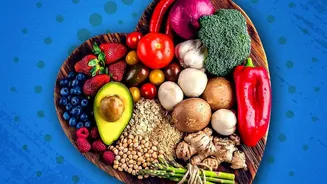
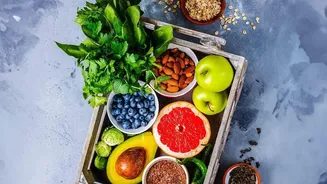
Instead of fixating on a single category, nutrition experts are increasingly emphasizing the importance of the overall 'dietary pattern'. A dietary pattern is the sum total of what you eat and drink over time. It’s about the whole symphony of your diet, not just one out-of-tune instrument. This approach recognizes that foods and nutrients work together. A diet built on a foundation of fruits, vegetables, whole grains, and lean proteins can easily accommodate an occasional processed snack without dire consequences. The reverse is also true; a diet dominated by unhealthy choices won't be saved by a single 'superfood.' Shifting the focus to patterns allows for a more realistic and sustainable approach to healthy eating that fits into modern life.
Focus on Quality, Not Just the Label
A recent, large-scale Harvard study reinforces this very idea. It found that the nutritional quality of a person's diet was strongly linked to long-term health, but these links were almost identical regardless of whether the diet included processed or unprocessed foods. In other words, a healthy plant-based diet was beneficial even if some of its components were processed. An unhealthy diet was detrimental, whether it was processed or not. This suggests we should prioritize food quality over the level of processing. For example, when choosing a packaged bread, look for one made with whole grains and less sodium. Choosing a yogurt? Opt for a plain one and add your own fruit instead of buying a pre-sweetened, flavoured variety. This mindset helps you make better choices without the stress of trying to avoid an entire, poorly defined category of food.