




An Imperial Seat
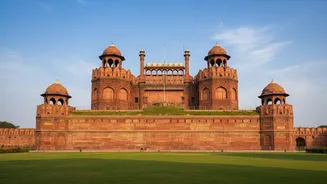
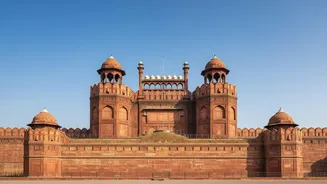
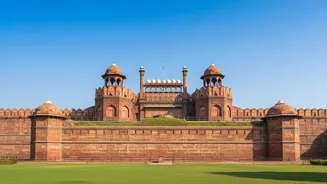
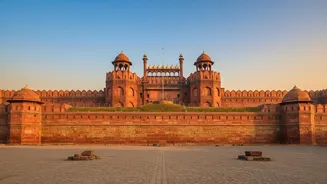
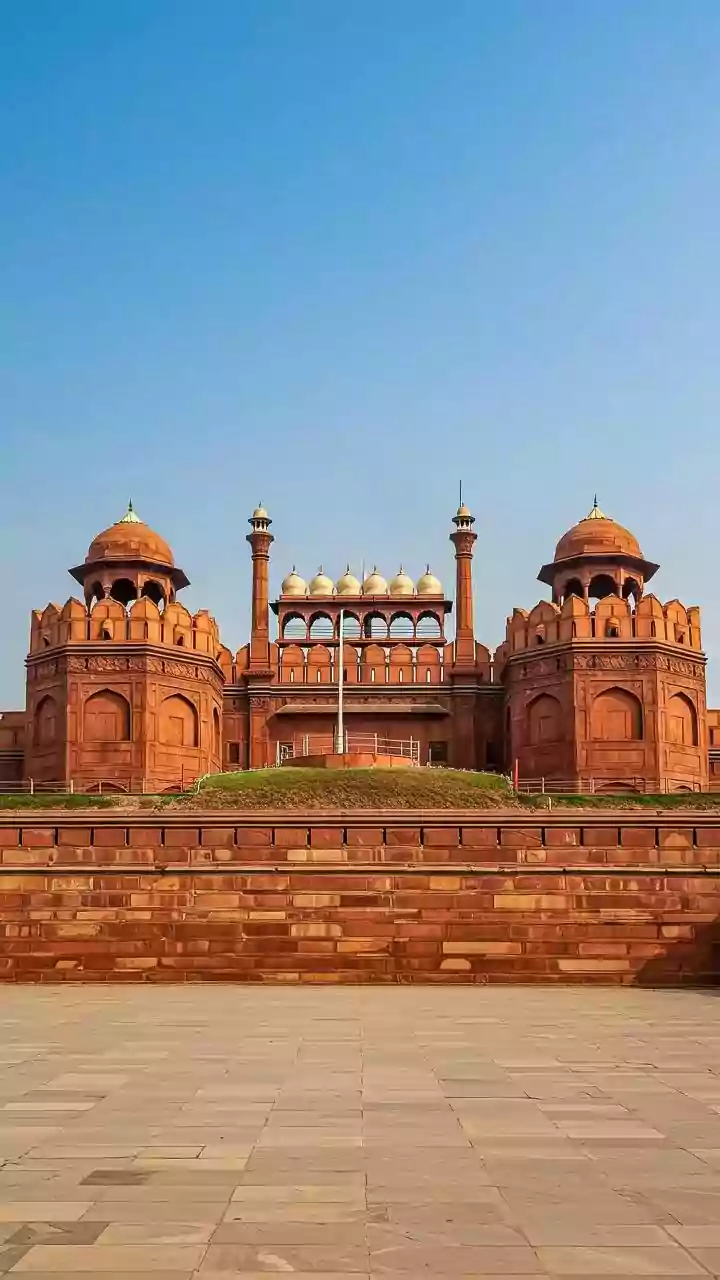
For centuries, the Red Fort, or Lal Qila, was the undeniable symbol of power in Delhi. Built by Mughal Emperor Shah Jahan, it was the magnificent heart of his capital, Shahjahanabad. For nearly 200 years, it served as the main residence of the Mughal emperors,
a fortress palace from which they ruled. Its red sandstone walls didn't just provide physical protection; they represented the legitimacy and grandeur of indigenous rule over Hindustan. Even as Mughal power waned, the fort retained its symbolic authority in the popular imagination. This was never clearer than in 1857, when rebel sepoys instinctively flocked to Delhi, seeking the leadership of the aged emperor, Bahadur Shah Zafar, who resided within its walls.
A Symbol of Humiliation
The failure of the 1857 rebellion brought a dramatic and humiliating transformation. The British, having crushed the uprising, captured the fort and exacted symbolic revenge. They put the last Mughal emperor, Bahadur Shah Zafar, on trial for treason within its halls and exiled him. Much of the fort's inner palace complex was demolished and replaced with stark British military barracks. The seat of an empire was reduced to a colonial garrison. For decades, the British occupation of the fort was a constant, visible reminder of India's subjugation. It was a calculated move to co-opt and neuter a powerful symbol of Indian authority, turning it into an instrument of foreign control.
The Trials That Changed Everything
The fort’s political meaning began a radical shift in the winter of 1945-46. The British chose it as the venue for the court-martial of three officers of the Indian National Army (INA) — Shah Nawaz Khan, Prem Kumar Sahgal, and Gurbaksh Singh Dhillon. They were accused of waging war against the King-Emperor. The colonial government intended to make an example of them, asserting its authority after the Second World War. The decision backfired spectacularly. Instead of projecting strength, the trials ignited a firestorm of nationalist sentiment across the country. The public did not see the three men as traitors, but as patriots.
A Stage for Nationalist Defiance
The INA trials unified a nation weary of colonial rule. Major political parties, including the Congress and the Muslim League, joined together in defence of the officers. A powerful legal team, including Jawaharlal Nehru himself, was assembled. The slogan "Lal Qile se aayi awaz — Sahgal, Dhillon, Shah Nawaz" (A voice came from the Red Fort — Sahgal, Dhillon, Shah Nawaz) echoed in cities across India. The trials turned the Red Fort, the very symbol of British military occupation, into a stage for Indian resistance. The widespread public outcry and unrest, which included mutinies in the Royal Indian Navy and Air Force, sent a clear message to London: the loyalty of the Indian armed forces could no longer be taken for granted. Though the men were convicted, the commander-in-chief was forced to remit their sentences in the face of public fury.
Reclaimed for a Free Nation
The INA trials irreversibly transformed the Red Fort in the public mind. It was no longer just a memory of Mughal glory or a symbol of British domination; it was now a symbol of collective resistance and the will for freedom. This made it the only logical choice for the symbolic dawn of a new era. On August 15, 1947, India's first Prime Minister, Jawaharlal Nehru, hoisted the tricolour flag from its ramparts, delivering his famous "Tryst with Destiny" address. This single act sealed the fort's new identity. The gesture transformed a monument of foreign control and past empires into a symbol of Indian sovereignty and self-rule, reclaiming it for the people. The tradition continues to this day, a powerful annual reminder of the journey to independence.