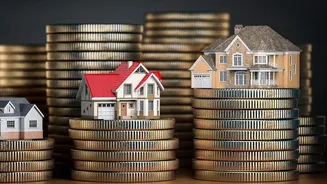








The classic Indian home-buying dilemma: more space on the outskirts or a smaller flat in a prime city area? The choice goes far beyond the purchase price and EMI, involving hidden costs that shape your finances and lifestyle for decades.
The Obvious Trade-Off: Per Square Foot
For most homebuyers,
the initial calculation is simple. Properties on the periphery of major cities like Mumbai, Delhi-NCR, or Bengaluru offer a significantly lower price per square foot. This means for the same budget, you can get a three-bedroom apartment on the outskirts for the price of a two-bedroom unit in a central area. The appeal is immediate: more space for a growing family, a home office, or simply a less cramped existence. However, this upfront saving is only the first chapter in a much longer financial story. Experts caution that the total cost of ownership over a decade can paint a very different picture, making the 'cheaper' home potentially more expensive in the long run.
The Daily Grind: Commuting Costs
A home in a far-flung suburb almost always means a longer, more expensive commute. This isn't just about the monthly fuel bill or the cost of a metro pass, which are significant. According to a National Household Travel Survey, urban workers already spend an average of ₹1,044 per month on commuting, with figures in cities like Delhi being much higher. Choosing a peripheral location can easily add thousands more to this figure through fuel, tolls, and higher cab fares for late nights. Beyond the direct financial drain, there is the 'time cost'. An extra two hours in traffic each day reduces time for family, personal growth, and rest, which can indirectly lead to spending more on convenience services like food delivery and domestic help.
The Utility and Maintenance Drain
A larger home naturally consumes more resources. Higher electricity bills from running more fans or air conditioners and increased water usage are predictable consequences. But the bigger financial creep comes from maintenance. Society maintenance charges are often calculated per square foot, meaning a larger flat pays more every month for the upkeep of common areas. A general rule of thumb suggests setting aside 1% of your home's value each year for repairs. For a larger, more valuable property, this fund needs to be proportionally bigger. Everything from painting to plumbing and eventual renovations will cost more simply because there is more surface area and infrastructure to cover.
Property Taxes: The Annual Bill
Property tax is a recurring expense that is directly influenced by both the size and location of your home. In Indian cities, municipal corporations use various methods to calculate this tax, but they all factor in the property's size or its capital value. A larger home, even in a less prime area, will have a higher built-up area, leading to a higher tax bill under the Unit Area System used in cities like Delhi and Bengaluru. In cities like Mumbai that use a Capital Value System, a prime location can lead to a higher tax even for a smaller flat, but the sheer size of a suburban villa can also result in a substantial annual liability.
Lifestyle Inflation and Other Hidden Costs
A bigger house often creates a psychological pressure to fill it. The cost of furnishing an extra bedroom, a larger living room, or a balcony can run into lakhs. Similarly, having more space might encourage more frequent and larger social gatherings, adding to household expenses. Beyond this, there are other one-time costs to consider, such as higher fees for interior customisation, brokerage, and moving expenses. These hidden charges can collectively add 10–20% to the base property price, significantly impacting your initial budget.
The Long Game: Resale Value and Appreciation
This is where location often proves its ultimate worth. Seasoned real estate investors consistently argue that location trumps size for long term financial returns. A property's value appreciates because of external factors like new infrastructure, metro connectivity, and the development of nearby schools and hospitals. A smaller home in a well connected, amenity rich area is more likely to see faster appreciation and attract more potential buyers when it is time to sell. These properties offer better liquidity, meaning they sell faster, whereas a large but poorly located house can remain on the market for months sometimes forcing a price cut.