




Delhi's Ambitious New EV Policy
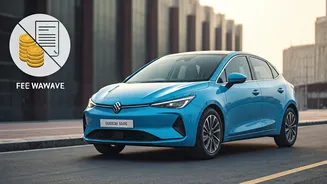
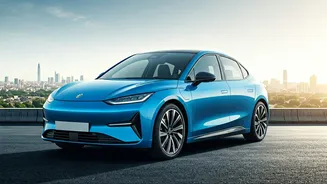
The Delhi Government has officially approved and rolled out its new Electric Vehicle Policy 2026, which takes effect from July 1, 2026. At the heart of this aggressive push towards electrification is a powerful financial incentive: a 100% waiver on road
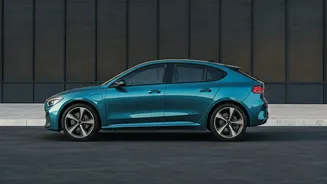
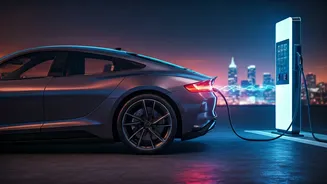
tax and registration fees for all-electric cars with an ex-showroom price up to ₹30 lakh. This isn't a future proposal but a concrete measure designed to immediately lower the barrier to entry for prospective EV buyers. The policy, which will be in effect until March 2030, represents one of the most significant steps taken by a state government to accelerate the shift away from internal combustion engine (ICE) vehicles. By directly targeting the on-road price, the government aims to make the electric alternative not just an environmental choice, but a financially savvy one for a huge segment of the car-buying public.
How the Numbers Add Up for Buyers
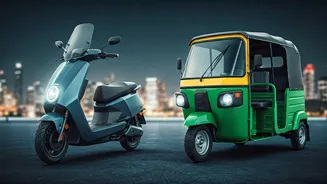
The waiver on road tax and registration fees directly translates into substantial upfront savings, a critical factor for consumers. This move makes a range of popular electric cars from manufacturers like Tata, Mahindra, and MG more accessible. But the policy's financial benefits don't stop there. To further sweeten the deal and clear older, more polluting vehicles from the roads, the government is offering a hefty scrappage incentive. Owners of BS-IV or older cars can receive up to ₹1 lakh when they scrap their vehicle and purchase a new EV. The policy also includes significant purchase incentives for the two- and three-wheeler segments, which are the backbone of Delhi's transport system. Buyers of new electric two-wheelers can receive a subsidy of up to ₹30,000 in the first year, while e-rickshaw buyers can get up to ₹50,000. Notably, the policy focuses exclusively on pure EVs, dropping earlier proposals to include hybrid vehicles in the incentive scheme.
A Strategic Focus on Two-Wheelers
While tax-free cars grab headlines, a crucial element of the policy is its aggressive focus on electrifying the two-wheeler segment. Two-wheelers constitute a massive portion of Delhi's vehicle fleet—nearly two-thirds—and are a major contributor to vehicular emissions. Recognising this, the policy sets a hard deadline: after March 31, 2028, no new petrol-powered two-wheelers will be registered in Delhi. This mandate effectively forces a market transition, aiming to turn the current 11% EV share in total vehicle registrations into the new standard for the city's most popular mode of personal transport. Data from early 2026 already shows strong momentum, with electric two-wheeler registrations surging nearly 70% year-on-year, indicating a market that is primed for this policy push.
More Than Just Tax Cuts
The Delhi EV Policy 2026 is a comprehensive strategy, not just a collection of tax breaks. The government has committed to investing around ₹15,000 crore over the next four years to build a robust ecosystem for electric mobility. A major component of this investment is dedicated to tackling one of the biggest hurdles for EV adoption: charging infrastructure. The plan includes the establishment of over 30,000 new public charging points across the capital, aiming to alleviate range anxiety and make charging more convenient for everyone, including residents of apartment complexes who may lack private parking. This holistic approach, linking financial incentives with infrastructure development and clear phase-out timelines for ICE vehicles, provides long-term direction and encourages greater confidence from manufacturers and consumers alike.
The Challenges on the Road Ahead
Despite the policy's ambitious scope, challenges remain. The most significant hurdle is ensuring that the charging infrastructure can keep pace with the projected surge in EV sales, particularly in a city as dense as Delhi. For many residents in apartment buildings without dedicated parking, the logistics of overnight charging are a real concern. Furthermore, while incentives dramatically lower costs, the upfront price of some electric models, especially in the two-wheeler segment, can still be higher than their petrol counterparts, which could remain a barrier for lower-income commuters. Access to affordable financing is another critical piece of the puzzle, as lenders are sometimes cautious due to concerns about battery life and resale value. The success of this transition will depend not only on the government's investment but also on solving these practical, on-the-ground issues for vehicle owners.