




1. Hearty Spiced Lentil Soup
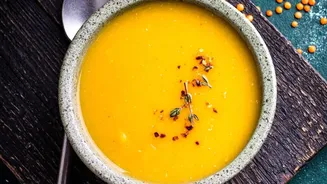
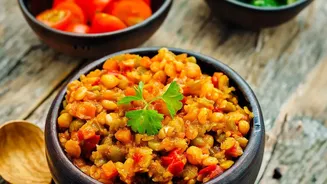
One of the most classic and comforting uses for cloves is in lentil soup, or dal. In many Indian households, whole spices, including a few cloves, are bloomed in hot oil at the beginning of the cooking process. This releases their intense, aromatic oils
and infuses the entire dish with a deep, warming complexity that complements the earthiness of the lentils. The key is to use them sparingly—just one or two whole cloves are enough to perfume a large pot of soup without overpowering it. They work in concert with other spices like cinnamon, cumin, and cardamom to create a rich, layered flavour that makes a simple lentil dish feel truly special.
2. Moroccan Vegetable and Fruit Tagine
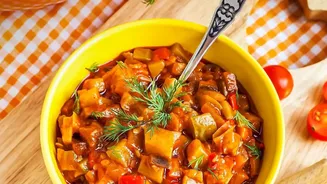
North African cuisine, particularly Moroccan tagines, masterfully balances sweet and savoury flavours, and cloves are often a key player in the spice blend known as ras el hanout. A vegetable tagine might feature root vegetables like carrots and sweet potatoes alongside dried fruits such as apricots or prunes. The cloves, combined with cinnamon, ginger, and cumin, bridge the gap between the earthy vegetables and the sweet fruit. The slow simmering process allows the flavour of the whole cloves to mellow and merge, adding a mysterious, fragrant undertone that is quintessentially Moroccan. The result is a stew that is both comforting and exciting, with layers of flavour that unfold with every bite.
3. Roasted Root Vegetables
Roasting brings out the natural sweetness in root vegetables like carrots, sweet potatoes, and butternut squash. Adding a pinch of ground cloves to your seasoning mix before roasting can elevate them from a simple side to a standout dish. The warm, slightly peppery notes of clove provide a beautiful contrast to the caramelised sugars of the vegetables. It pairs exceptionally well with other warming spices like cinnamon and nutmeg, but even on its own, it adds a surprising depth. For a more subtle infusion, you can toss whole cloves with the vegetables and remove them before serving. This technique is especially good for carrots, creating a sweet, aromatic, and deeply savoury flavour profile that feels both rustic and refined.
4. German Braised Red Cabbage with Apple
A classic German side dish, Rotkohl, demonstrates the magic of pairing cloves with both fruit and vegetables. In this recipe, shredded red cabbage and tart apples are slowly braised with vinegar, sugar, and spices until meltingly tender. Whole cloves are a non-negotiable ingredient, providing a crucial aromatic note that ties the sweet apple and tangy vinegar together. The cloves are often poked into an onion or a piece of apple during cooking, allowing their flavour to infuse the dish gently before being removed. The result is a sweet, sour, and spiced side dish that is the perfect accompaniment to hearty roasts, proving that cloves have a firm place in savoury vegetable cookery.
5. Spiced Poached or Stewed Fruit
Perhaps the most intuitive pairing here, cloves have long been used to flavour stewed and poached fruits. Whether you are gently simmering pears, apples, or plums, adding a few whole cloves to the liquid transforms the dish. The spice infuses the fruit and the syrup with its signature warmth, making it feel like a decadent dessert. This technique works with a wide range of fruits, from classic pears poached in red wine to a simple compote of mangoes simmered with a touch of sugar and water. The cloves provide a spicy counterpoint to the fruit's sweetness, creating a balanced and aromatic dessert that can be served warm with cream or chilled on its own.