




A Symphony of Colour Above the Treeline
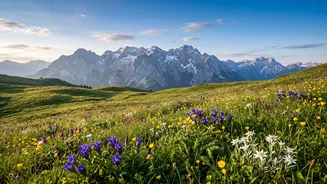
Hiking in Austria is about more than just conquering peaks; it’s an immersion in a world of breathtaking natural beauty. As the winter snow melts away, the country's alpine pastures transform into a sea of colour. This natural spectacle is the result
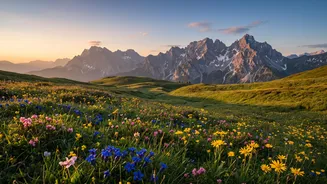
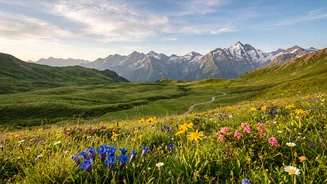
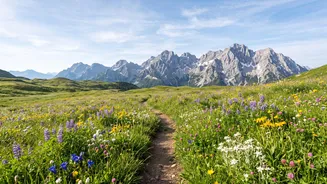
of a short, intense growing season, where countless species of wildflowers bloom in unison to attract pollinators. The air fills with a delicate fragrance, and the landscape, framed by majestic peaks, becomes a living tapestry of purples, yellows, and whites. These meadows are not just beautiful; they are vital ecosystems, home to a diverse range of insects and adapted to the harsh high-altitude conditions.
The Best Time and Places for Flower Hikes
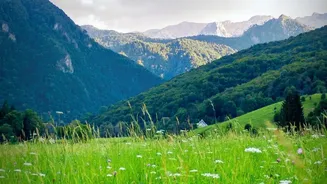
Timing is everything to witness this floral explosion. The peak season for alpine wildflowers is from mid-June to August. This is when the meadows are at their most vibrant, and the higher-altitude trails are generally free of snow. Regions like Tyrol, the Salzkammergut Lake District, and Carinthia are particularly renowned for their flower-filled hikes. Areas such as the Kitzbühel Alps are known for gentle, grassy mountains that create ideal conditions for extensive and diverse flower meadows. Hohe Tauern National Park, the largest in the Alps, also offers numerous themed trails dedicated to its rich flora.
The Stars of the Show: Iconic Alpine Flowers
While hiking, you'll encounter a stunning variety of flowers. The most famous is undoubtedly the Edelweiss, Austria's national flower, a white, star-shaped bloom found on rocky limestone slopes at high altitudes. You'll also see the vivid blue Trumpet Gentian, which carpets entire meadows, and the pink-hued Alpine Rose (Almrausch), whose blooms can cover whole hillsides in early summer. Keep an eye out for the sunny Mountain Arnica, delicate Bellflowers, and the striking Turk's Cap Lily. Each flower has adapted uniquely to the challenging mountain environment, from the fuzzy hairs on Edelweiss that protect it from frost to the deep roots of the Gentian.
Trails for Every Level of Hiker
You don't need to be an expert mountaineer to enjoy Austria's floral displays. The country boasts an extensive network of over 40,000 km of well-marked hiking trails catering to all abilities. For a gentle introduction, consider a valley walk in the Zillertal or a panoramic route like the Oberseite Alpine flower trail in St. Jakob. Many regions offer cable cars that whisk you up to higher elevations, providing easy access to stunning meadow walks without a strenuous ascent. For those seeking a bigger challenge, multi-day hut-to-hut treks like the Stubai High Trail or the Eagle Walk offer a truly immersive experience, taking you deep into the heart of these blooming landscapes.
The Unique Culture of Austrian Hiking
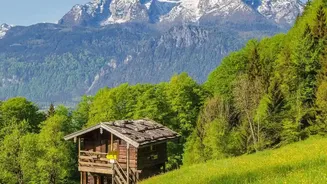
The experience extends beyond the flowers themselves. Hiking in Austria is deeply intertwined with its culture of mountain huts, or 'Hütten'. These rustic lodges, often run by families for generations, are dotted throughout the mountains, offering hikers a place to rest, enjoy a hearty meal, and even stay overnight. Stopping at a Hütte for a plate of Kaiserschmarrn (shredded pancake) or a refreshing drink is an essential part of the day. This network of huts, managed by alpine clubs, makes even multi-day treks accessible with just a light daypack, as they provide beds, blankets, and food, allowing you to fully immerse yourself in the alpine world.