






A Foundation of Patient Capital
Long before its Vikram-1 rocket was ready for the launchpad, Skyroot Aerospace was building a different kind of foundation: a financial one. Founded in 2018 by former ISRO scientists Pawan Kumar Chandana and Naga Bharath Daka, the company understood that
deep-tech hardware, unlike software, requires immense upfront investment and has a long, often unpredictable, development cycle. They successfully secured crucial early-stage seed and Series A funding from a mix of angel investors and venture capitalists. Prominent backers like Myntra founder Mukesh Bansal, Greenko Group’s founders, and GIC, Singapore’s sovereign wealth fund, invested not just in a business plan, but in a long-term vision. Co-founder Pawan Kumar Chandana has often stressed the need for “patient capital,” and this early financial runway proved critical. It provided the stability to hire top talent, procure materials, and, most importantly, absorb the inevitable delays and challenges inherent in building a complex launch vehicle from the ground up. This wasn't just about money for development; it was about buying the time to innovate and iterate without the constant pressure of imminent financial collapse.
The Inevitable Hurdles of Rocket Science
The phrase “it’s not rocket science” exists for a reason. Developing a multi-stage orbital launch vehicle is one of the most complex engineering feats imaginable. Every component, from propulsion systems to avionics, must perform flawlessly under extreme conditions. For Skyroot, the journey involved developing cutting-edge technologies, including an all-carbon composite structure to reduce weight and advanced 3D-printed liquid engines for its final stage. Each of these innovations came with its own set of challenges that required extensive ground testing, analysis, and refinement. A full-duration test of a rocket stage, for instance, is a major milestone that often follows numerous smaller tests and adjustments. Furthermore, external factors like the global COVID-19 pandemic introduced unforeseen supply chain disruptions and operational hurdles for the entire industry. These “setbacks” are not signs of failure but a normal part of the research and development process in aerospace. Without a solid financial buffer, any one of these technical or logistical challenges could have proven fatal for the young company, forcing it to cut corners or abandon its ambitious goals.
From Vikram-S to an Orbital Triumph
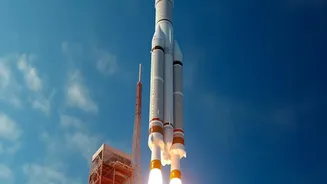
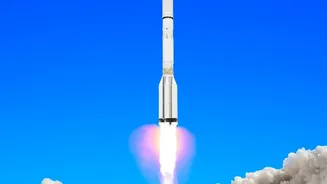
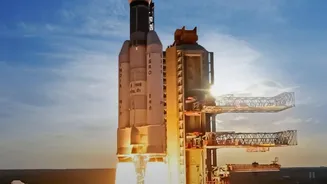
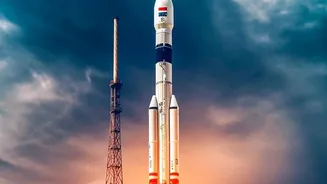
The strategy of patient capital and persistent engineering paid its first public dividend in November 2022 with the successful sub-orbital launch of Vikram-S. Named 'Prarambh' (The Beginning), this mission was a vital proof of concept, validating Skyroot’s core technologies and demonstrating its operational capabilities. It was a critical stepping stone that boosted investor confidence and paved the way for the ultimate goal: the orbital launch of Vikram-1. The years between Vikram-S and the maiden flight of Vikram-1, dubbed 'Mission Aagaman' (The Arrival), were spent rigorously testing and integrating the full four-stage vehicle. The successful launch on July 18, 2026, which placed multiple payloads into orbit, was the culmination of this entire journey. It marked the moment India became only the third country, after the US and China, with a privately developed orbital rocket, a landmark achievement made possible by the early decision to secure the time and resources needed to navigate the long road to orbit.
A Blueprint for India's Deep-Tech Future
The success of Vikram-1 is more than just a win for Skyroot; it's a powerful case study for India's entire technology startup ecosystem. It demonstrates that with the right financial strategy, Indian companies can compete and succeed in capital-intensive, hardware-focused industries. The government's space sector reforms in 2020, which created the regulatory body IN-SPACe to facilitate private participation, were a crucial enabler. These reforms provided a framework, but it was Skyroot’s ability to attract long-term funding that allowed it to fully leverage this new environment. As India aims to significantly grow its share of the global space economy, projected to reach over a trillion dollars, the success of private players like Skyroot is essential. The Vikram-1 story provides a blueprint, showing future deep-tech and manufacturing startups that securing patient capital early is the key to weathering developmental storms and ultimately achieving breakthrough innovation.