




The Core-Joint Conundrum
A strong core is more than just visible abs; it's the muscular foundation that supports your spine, improves posture, and enhances balance in nearly every move you make. However, many traditional core exercises involve repetitive bending, twisting, or high-impact
movements that can put significant stress on the sensitive joints of your spine, hips, and knees. Over time, this can lead to discomfort, inflammation, or even injury. The ideal workout finds the sweet spot: activating deep core muscles for maximum stability while moving in a way that is gentle and supportive for the rest of the body. This is where low-impact training excels, offering a path to strength without the strain.
Contender 1: Pilates
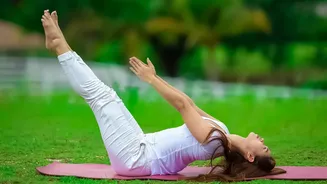
Pilates is a system of exercise designed specifically to build strength from the inside out. Its primary focus is on the body's 'powerhouse'—the deep muscles of the abdomen, back, and pelvic floor. The method is built on principles of control, precision, and mindful movement, which makes it exceptionally joint-friendly. Instead of using momentum, each exercise asks you to move deliberately, strengthening stabilising muscles that protect your joints during everyday activities. Because it's low-impact and highly modifiable, Pilates is often recommended for rehabilitation and for individuals with conditions like arthritis or back pain. Whether on a mat or a reformer machine, it teaches you to engage your core correctly, improving posture and reducing strain on your entire musculoskeletal system.
Contender 2: Swimming
Swimming offers a unique combination of cardiovascular conditioning and full-body strength training with almost zero impact on your joints. The buoyancy of water supports your body weight, relieving pressure on your knees, hips, and spine. This environment allows for a greater range of motion, which can help improve flexibility and reduce stiffness. Maintaining a streamlined position in the water requires constant core engagement to keep your body stable. Every stroke, whether it's the front crawl or backstroke, forces your abs, obliques, and lower back to work in unison to power your movement and prevent your hips from sinking. The water's natural resistance challenges your muscles without the jarring force of land-based exercises, making it a superior choice for building functional core strength while giving your joints a much-needed break.
Contender 3: Targeted Bodyweight Exercises
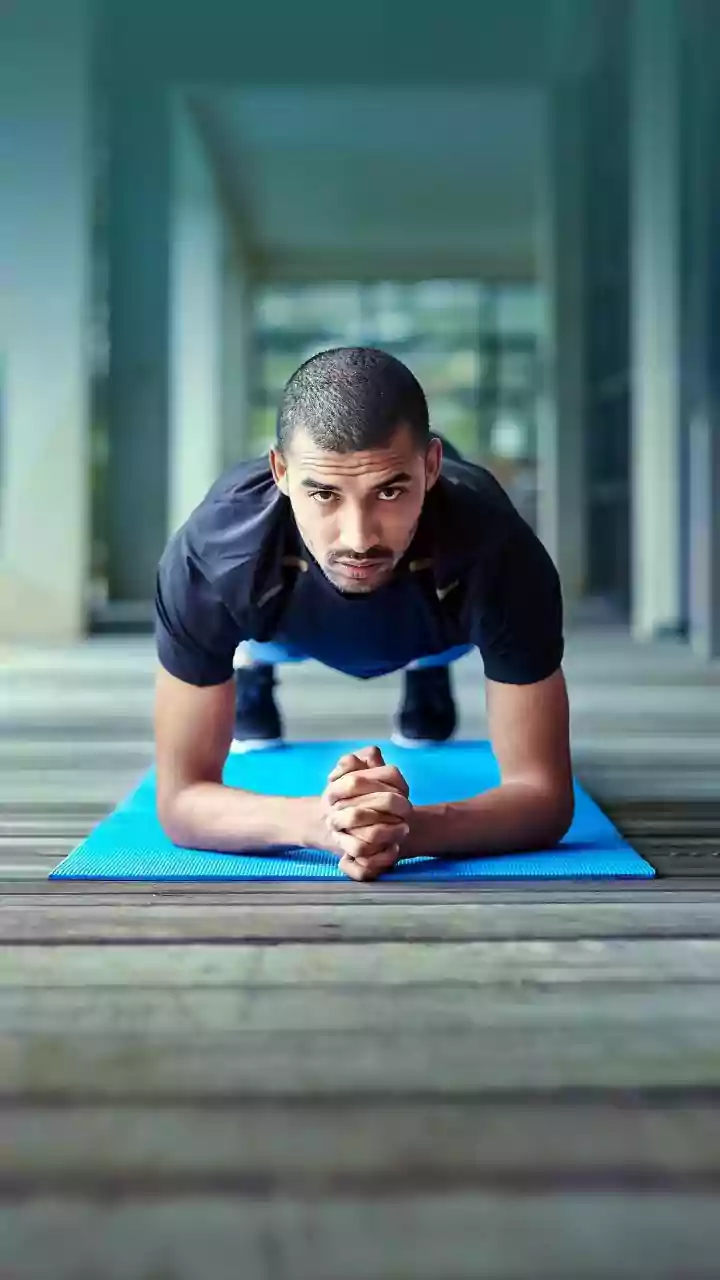
You don't need a pool or a special studio to build a joint-friendly core. A curated selection of bodyweight exercises can be incredibly effective. Movements like the plank, bird-dog, pelvic tilts, and dead bug focus on spinal stability and deep core activation without requiring stressful flexion or rotation. The key to making these exercises both safe and effective is impeccable form. By moving slowly and intentionally, you train the deep abdominal muscles, like the transverse abdominis, to act as a natural corset that supports your spine. These exercises are easy to modify for any fitness level and can be performed almost anywhere, making them a convenient and powerful tool for building a resilient core.
A Note on 'Daily' Workouts
The desire for daily results is understandable, but is it safe to train your core every single day? Experts suggest it depends on the intensity. Low-intensity activation exercises, like pelvic tilts or bird-dogs, can often be done daily to help reinforce the mind-muscle connection. However, more intense core workouts, even low-impact ones, stress your muscles, and those muscles need time to recover and rebuild. A smart approach is to perform focused core strength sessions two to three times per week, allowing for at least one full rest day. On other days, you can incorporate light core activation or focus on other forms of movement, as your core is naturally engaged during most compound exercises anyway.