





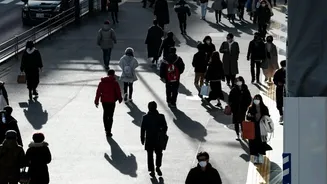
For decades, the idea of banning traffic from London’s iconic Oxford Street felt like an impossible dream. Yet, as of late 2026, it's a reality. This move is part of a growing global shift to reclaim city centres for people, not just cars.
London's Long-Awaited Pedestrianisation
After years
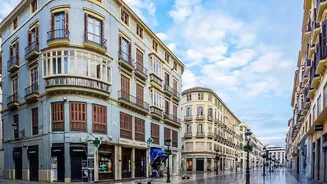
of debate, a nearly one-kilometre stretch of Oxford Street, one of Europe's busiest shopping districts, became traffic-free in October 2026. The area between Orchard Street and Great Portland Street now prohibits buses, taxis, and cars, transforming it into a space for shoppers and visitors. While this is an initial phase, with a full redesign planned for after the Christmas season, it marks a major victory for advocates of cleaner air and more liveable cities. The project, backed by a significant investment, aims to secure the street's economic future by making it a more attractive destination. The long and often contentious journey to this point highlights the complexities cities face, balancing the needs of retailers, transport providers, and the public.
Copenhagen's Car-Free Pioneer: Strøget
Long before it was a widespread trend, Copenhagen took a bold step. In 1962, the city converted its main thoroughfare, Strøget, into a pedestrian-only street—one of the first and longest in the world. The idea was initially met with scepticism, with many shop owners fearing financial ruin and critics claiming Danes lacked a culture of public street life. However, the experiment was a resounding success. Today, the Strøget is a vibrant, bustling hub that proves pedestrianisation can boost business and create a lively, social atmosphere. It set a precedent that has inspired cities across the globe for decades.
Barcelona's Superblock Revolution
Barcelona is taking a unique, grid-based approach with its 'superblock' (superilla) program. The concept involves grouping several city blocks together and redirecting through-traffic around the perimeter. The internal streets are then transformed into low-speed, pedestrian-priority zones with more green space, seating, and play areas. This model doesn't just focus on one major street like La Rambla but aims to create a network of healthier, quieter, and more social neighbourhood spaces across the city. It's a radical reimagining of the urban grid, designed to give entire communities back to the people who live in them.
Seoul's Highway to Waterway: Cheonggyecheon
Perhaps one of the most dramatic transformations happened in Seoul, South Korea. For decades, the Cheonggyecheon stream was hidden beneath a concrete elevated highway, a symbol of industrialisation. In 2003, the city embarked on a daring project to demolish the freeway and restore the nearly 6st kilometres stream. The result is a stunning green corridor that runs through the heart of the city. The project has had a massive positive impact, reducing air pollution, lowering the urban heat island effect, and boosting biodiversity. It has become a beloved public space, attracting 64,000 visitors daily and demonstrating how cities can reverse carcentric planning with bold, naturefocused initiatives.
Melbourne's Laneway Culture
Melbourne offers a different model of pedestrianisation, focusing not on a single grand street but on a network of small, previously neglected laneways. Starting in the 1990s, the city began a deliberate effort to revitalise these back alleys, once used for little more than service access. By cleaning them up, encouraging small businesses like cafes and bars to open, and fostering a vibrant street art scene, Melbourne created a unique and internationally renowned 'laneway culture'. This approach shows how activating smaller, existing spaces can dramatically enhance a city's character, walkability, and economic vitality without the need for massive infrastructure overhauls.