
The Art and Science of 'Bhunai'
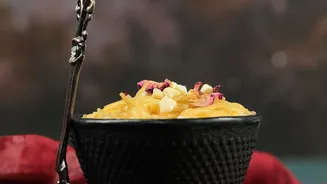
The key to unlocking deep, unforgettable flavour in Aloo Halwa lies in a process called 'bhunai', which translates to slow-roasting. Many recipes call for a quick sauté, but true depth comes from patiently roasting the mashed or grated potatoes in ghee
over a low to medium flame. This isn't just about cooking the potato; it's about transformation. As you stir, two magical things happen: the Maillard reaction and caramelization. The natural sugars in the potatoes and the amino acids react with the heat, creating hundreds of new aromatic compounds. This is what develops the nutty, complex, and almost fudge-like notes that separate a forgettable halwa from a phenomenal one. Rushing this process with high heat will only cook the potato, leaving a faint raw taste and missing out on the rich, golden-brown colour and aroma that are the hallmarks of a well-made halwa.
Patience Over High Heat
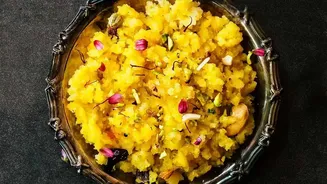
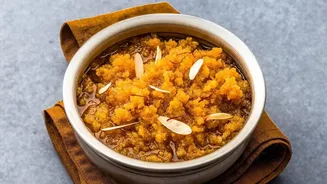
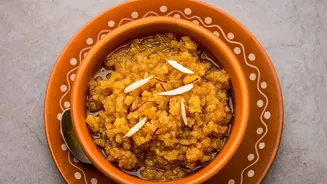
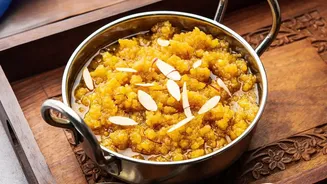
It can be tempting to turn up the flame to speed things up, but this is the biggest mistake you can make. High heat can cause the potatoes to stick and burn before they have a chance to develop flavour. A proper slow roast, which can take anywhere from 15 to 25 minutes depending on the quantity, ensures even cooking. You’ll know you're on the right track when the mixture starts to change colour, becoming a warm, golden hue, and releases a wonderfully nutty aroma. Another crucial sign is when the halwa starts to pull away from the sides of the pan and the ghee begins to separate, indicating that the potatoes have been perfectly roasted and are ready for the next stage.
Essential Ingredients
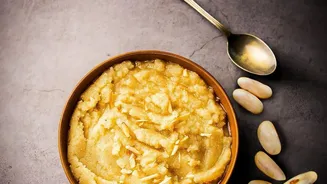
The beauty of Aloo Halwa lies in its simplicity. You don't need a long list of exotic items. For a truly flavourful halwa, gather the following: Potatoes: Use potatoes that are good for mashing. They should be boiled until very soft, then peeled and either mashed smoothly or grated. Ghee: This is non-negotiable for authentic flavour. Don't be shy with the quantity; good halwa is generous with ghee, which is essential for the roasting process and the final texture. Sugar: Standard granulated sugar works perfectly. The amount can be adjusted to your taste. Milk or Khoya: A splash of milk or some crumbled khoya (milk solids) can be added towards the end for extra richness and a creamier texture. Flavourings: Green cardamom powder is the traditional choice, lending a beautiful fragrance. Saffron strands soaked in a little warm milk add colour and a luxurious aroma. Nuts: Toasted cashews, almonds, or pistachios provide a wonderful crunch and textural contrast.
The Step-by-Step Slow-Roast Method
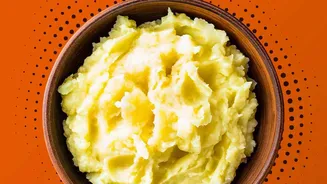
1. Prep the Potatoes: Boil the potatoes until they are completely tender. Peel and mash them thoroughly, ensuring there are no lumps. A smooth mash is crucial for a uniform texture. 2. Begin the Roast: In a heavy-bottomed or non-stick kadai, melt a generous amount of ghee over a low-medium flame. Add the mashed potatoes. 3. Stir and Be Patient: This is the most important step. Stir the potato mash continuously. At first, the potatoes will absorb the ghee. Continue stirring for 15-25 minutes. Watch as the colour slowly deepens from pale yellow to a rich golden-brown and the mixture becomes fragrant. 4. Add the Sweetness: Once the halwa pulls away from the sides and the ghee starts to separate, it's time to add the sugar. The mixture will become liquidy again as the sugar melts. Don't panic; this is normal. 5. Cook to Perfection: Continue to stir on a medium flame. The halwa will thicken again as the sugar syrup cooks and gets absorbed. This will take another 5-10 minutes. If using, add the saffron and milk at this stage. 6. Finishing Touches: When the halwa once again starts to leave the sides of the pan and has a glossy sheen, turn off the heat. Stir in the cardamom powder and toasted nuts, reserving some for garnish.