

Before You Go: Essential Stargazing Tips
To make the most of your night-sky escape, a little planning goes a long way. First, check the lunar calendar. The best time for stargazing is on a moonless night, typically during the new moon phase, as moonlight can be just as disruptive as city lights.
Second, check the weather forecast for clear skies; clouds are the ultimate cosmic curtains. Download a stargazing app on your phone beforehand—apps like Star Walk or SkyView can help you identify constellations, planets, and satellites in real-time. Finally, pack smart. Bring a mat or a comfortable chair for viewing, a red-light torch to preserve your night vision (white light ruins it), and warm clothing, as even temperate locations can get chilly after dark. Binoculars are a great starting point for beginners, offering fantastic views of the moon's craters and larger star clusters.
Naneghat: Where History Meets the Cosmos
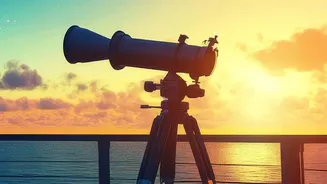
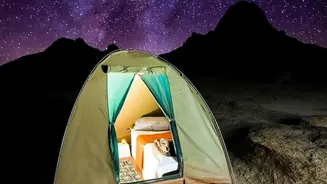
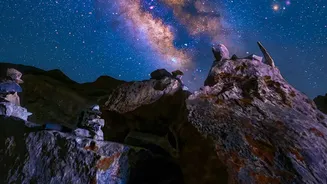
Located about a three-hour drive from Mumbai, Naneghat is a historic mountain pass once used as a trade route. Today, its elevation of over 2,400 feet and distance from urban centres make it a premier destination for astronomers. The journey takes you up a motorable road to a plateau that offers vast, unobstructed views of the heavens. On a clear night, the lack of light pollution reveals a stunning celestial tapestry, making it a favourite for both casual observers and astrophotographers. Many local groups organize overnight camping and stargazing events here, complete with telescopes and expert guidance, allowing you to witness distant planets and nebulae. The combination of ancient caves and a star-filled sky creates a truly magical atmosphere.
Bhandardara: Lakeside Serenity and Starry Reflections
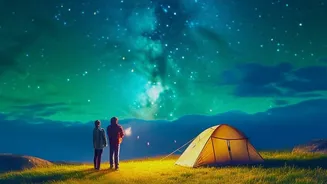
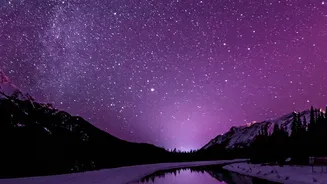
Approximately 165 km from Mumbai, Bhandardara is renowned for its tranquil lake and lush greenery. After sunset, it transforms into one of the region's top stargazing locations. The area's high altitude and minimal light pollution mean the Milky Way is often visible to the naked eye. Setting up camp near Arthur Lake provides a unique bonus: the calm water often mirrors the star-dusted sky, doubling the spectacle. It's a popular spot for organized camping trips that provide tents, meals, and professional telescopes for a closer look at deep-sky objects. The best viewing season is from October to April, when the post-monsoon air is crisp and clear.
Dehene: The Rustic Village Escape
Just a couple of hours from Mumbai, the small village of Dehene offers a perfect rustic retreat for stargazers. Nestled in the foothills of the Sahyadris, its open fields and wide skies are ideal for setting up a telescope or simply lying back and watching the cosmos. The village has become a hub for astronomy enthusiasts, with several groups hosting regular 'star parties' that include camping, guided observation sessions, and astrophotography workshops. Its accessibility via car or local train from Mumbai makes it an excellent choice for a quick, last-minute getaway to trade city noise for cosmic silence. The surrounding hills not only provide a scenic backdrop for sunset but also help block residual light from distant towns.
Vaitarna: An Astrophotographer's Dream
For those serious about capturing the night sky, Vaitarna is a standout choice. The key attraction here is the Vaitarna Dam and its expansive backwaters, which provide a stunning foreground for photos of the Milky Way. Located away from mainstream civilization, it boasts exceptionally dark skies, allowing for clear views of star clusters and galaxies. While it's a bit further out, the reward is minimal disturbance and pristine viewing conditions. Local villagers offer basic homestay options and meals, giving you an authentic rural experience. Many overnight events here focus specifically on astrophotography, offering guidance on techniques to capture star trails and the galactic core.