





The New Birds Have Landed
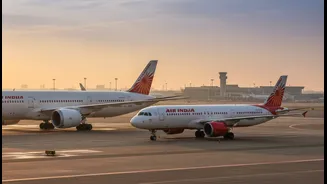
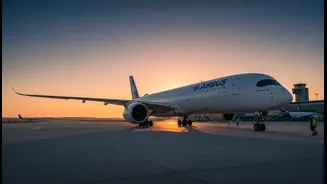
The centerpiece of Air India's ambitious revival is its historic order for hundreds of new aircraft from both Airbus and Boeing. The most visible symbols of this change are the gleaming new wide-body jets rolling into the fleet. These are the large, twin-aisle
aircraft like the Airbus A350 and Boeing 787 Dreamliner, which are essential for comfortable, long-haul international travel. Six A350-900s have already joined the fleet, with many more on the way, including the larger A350-1000 and new Boeing 787-9s expected from late 2026. This steady stream of deliveries—at a planned pace of one new wide-body every six weeks in 2026—is the engine that will power the airline's global aspirations, replacing older planes and opening up a world of possibilities for new non-stop connections.
A Strategy of Direct Connection
For years, a significant portion of international traffic from India has been routed through hubs in the Middle East and Southeast Asia. Air India's strategy is to change that by offering more direct, non-stop flights from Indian metros to key global destinations. The focus is squarely on high-demand markets in North America, Europe, and Australia. The new A350s are already being deployed on key routes like Delhi to New York and London, offering a much-improved passenger experience. This 'direct connectivity' model is Air India's unique selling proposition, aiming to capture the market of travellers who prefer to avoid the hassle of layovers and reach their destination faster.
More Than Just New Planes
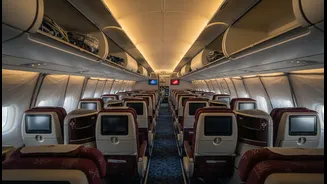
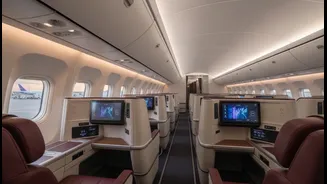
A successful transformation requires more than just new hardware. Alongside the fleet renewal, Air India is undertaking a massive USD 400 million project to retrofit its existing legacy wide-body aircraft. This means older Boeing 777s and 787-8s are being fitted with brand-new seats, modern in-flight entertainment systems, and new cabin interiors, including the introduction of a Premium Economy class on many routes. The goal is to provide a consistent and world-class product across the entire long-haul fleet. This focus on passenger experience has already started to pay off, with the airline achieving a 4-Star Skytrax rating, a significant jump that reflects tangible improvements in service and comfort.
Building India's Global Aviation Hub
The vision extends beyond just the airline. Air India's leadership, in alignment with the government, aims to establish India as a major global aviation hub, rivaling the likes of Dubai, Singapore, and Doha. CEO Campbell Wilson has stated that a market of India's size can support at least three international hubs, with Delhi and Mumbai being developed first, followed by Bengaluru. By building a robust network that connects traffic from West to East and North to South through India, the airline is not just serving the Indian diaspora but positioning the country at the crossroads of global air travel. This strategic ambition depends entirely on having a modern, reliable, and extensive fleet of wide-body aircraft.
A Journey, Not a Sprint
The headline's inclusion of "over time" is critical. The transformation is a marathon, and it faces headwinds. Global supply chain issues have caused some delivery delays from manufacturers. The airline has also had to temporarily rationalise some international routes to manage aircraft availability and operational challenges. Retrofitting an entire legacy fleet is a complex process expected to take until 2027-28 to complete. However, the airline's leadership remains committed to the expansion plan, with a clear strategy to restore and grow its network as more aircraft enter service. Passengers will see a progressive improvement rather than an overnight revolution.