


The Two Types of Fresh Herbs
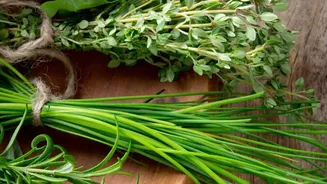
The single most important factor in deciding when to add fresh herbs is understanding their structure. Not all herbs are created equal; they fall into two main categories: hardy and delicate. Hardy herbs, like rosemary, thyme, sage, and oregano, have
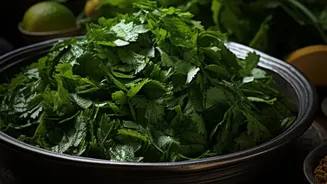
tough, woody stems and resilient leaves. Delicate (or soft) herbs, such as basil, parsley, cilantro, dill, and mint, have soft, tender stems and fragile leaves that bruise easily. This fundamental difference dictates how they react to heat and, therefore, when they should be introduced to the pan, pot, or baking dish. Thinking about herbs in these two groups is the key to unlocking their full potential and avoiding the sad fate of flavourless foliage.
Hardy Herbs: Built for the Heat
Hardy herbs are the marathon runners of the kitchen. Their robust structure means they need time and heat to break down and release their potent, aromatic oils. Adding them at the beginning of the cooking process—perhaps sautéed with onions and garlic, or simmered in a soup or stew—is ideal. This prolonged exposure to heat allows their deep, earthy flavours to fully infuse the entire dish. Think of adding a sprig of rosemary to roasting potatoes or letting thyme and bay leaves simmer in a sauce for at least 20 minutes. If you add these herbs too late, their flavour won't have enough time to permeate the dish, and their texture might remain tough and unpleasant. They are built to withstand the heat, and using them early is essential to extracting their magic.
Delicate Herbs: Handle with Care
Delicate herbs are the sprinters; their impact is fast, bright, and intense, but they have very little stamina when it comes to heat. Herbs like basil, cilantro, and parsley contain volatile oils that give them their fresh, vibrant aroma and taste. However, these compounds are extremely sensitive to heat. Adding them too early in the cooking process will cause these delicate flavours to evaporate, leaving behind a dull or even slightly bitter taste. To preserve their bright, fresh character, delicate herbs should be added at the very end of cooking—either in the last minute or two, or even stirred in after the dish has been removed from the heat. For many dishes, they are best used as a garnish, sprinkled over the top just before serving to provide a final burst of colour, aroma, and flavour.
The Science of Flavour and Heat
The difference in how these herbs behave comes down to chemistry. The flavour and aroma of herbs are stored in volatile organic compounds. Heat causes the cell walls in plants to break down, releasing these compounds. For hardy herbs, this is a good thing; the slow and steady heat coaxes out their oils over time. For delicate herbs, however, the heat is too aggressive. It causes their volatile compounds to evaporate quickly into the air, meaning the flavour disappears from your food and scents your kitchen instead. By adding them at the end, you warm them just enough to release their aroma without destroying the very compounds that make them delicious.
Exceptions and Extra Tips
Like any good rule, there are a few exceptions. In cold dishes that don't involve any cooking, such as salsas, dips, or salad dressings, you can add most herbs whenever you like. However, some soft herbs like cilantro can still lose their vibrant colour and taste if they sit for too long, so adding them closer to serving time is often best. Another exception is when using delicate herbs in marinades, where they have time to infuse their flavour without heat. When it comes to hardy herbs, you'll typically want to remove the woody stems before serving. For delicate herbs like parsley and cilantro, the stems contain a lot of flavour and can be finely chopped and used along with the leaves, especially in soups and stews.