









A Long and Winding Legal Road
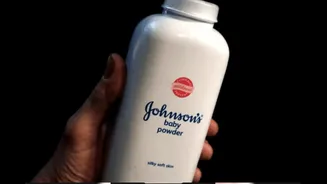
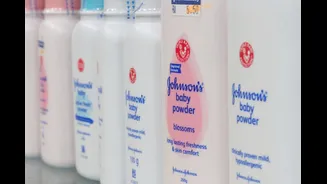
For over a decade, Johnson & Johnson has been embroiled in one of the most extensive product liability battles in history. Tens of thousands of plaintiffs, primarily women with ovarian cancer, have filed lawsuits alleging that the company's iconic talc-based
baby powder was contaminated with asbestos and caused their illness. The litigation has been a rollercoaster of courtroom outcomes, with plaintiffs winning staggering multi-million dollar verdicts and J&J also securing outright defense wins. In an attempt to manage the spiraling legal crisis, J&J made three separate efforts to resolve the claims by placing a subsidiary into bankruptcy, a controversial legal strategy dubbed the "Texas two-step." Courts repeatedly rejected these attempts, ruling that the financially healthy corporate giant was not in the kind of distress that bankruptcy protection is designed for, forcing the fight back into the civil court system.
A New Multi-Billion Dollar Offer
In late July 2026, J&J announced a significant shift in strategy. Instead of pursuing bankruptcy, the company put a new offer on the table: a $5.5 billion settlement designed to resolve nearly all of the approximately 76,000 pending ovarian cancer claims in the United States. Under the proposal, the company would begin payments in 2027. This move represents J&J's most direct attempt to close this chapter of litigation. While the company continues to state that the claims against it lack scientific merit, it has positioned the settlement as a way to bring finality to the matter for the company and the claimants.
What Is the 95% Rule?
The entire $5.5 billion deal is contingent on a critical hurdle: the "95% rule." This is not a formal law but a condition set by Johnson & Johnson itself. For the settlement to be finalized, plaintiff firms representing at least 95% of the eligible claimants must agree to participate and accept the deal. If more than 5% of claimants—roughly 3,800 people—decide to opt out and continue pursuing their individual lawsuits, the entire settlement could collapse. This high threshold is designed to provide J&J with near-total resolution, preventing it from paying out billions only to face thousands of ongoing, costly court battles from holdouts. It ensures that the company achieves the certainty it is paying for.
A Difficult Choice for Claimants
The 95% rule places a difficult decision in the hands of the plaintiffs. For the thousands of women and their families involved, the choice is between accepting a guaranteed payout from the settlement now or rejecting it for the uncertain prospect of a day in court. Opting into the settlement provides a definitive, though potentially smaller, financial resolution and avoids a protracted legal fight. Rejecting it means giving up that certainty to take a chance on a jury trial, which could result in a much larger award or nothing at all. The wildly inconsistent verdicts in past trials make this a significant gamble. This collective decision will determine whether one of the largest mass tort settlements in recent memory moves forward.
A Strategic Move From J&J
J&J's offer is not a sign of desperation. The proposal came shortly after the company secured a significant legal victory. A federal judge recently raised serious doubts about the ability of plaintiffs' experts to scientifically prove that talc specifically caused their cancer, weakening their position in future trials. This ruling gave J&J unusual leverage. Rather than being a company cornered into a settlement, J&J is making a strategic move from a position of relative strength. By offering a substantial sum, it hopes to persuade a vast majority of plaintiffs that a settlement is a more attractive option than facing an increasingly challenging path in court, allowing the company to finally put the matter behind it.