

The Invisible Ripening Agent
The secret behind this rapid transformation is a simple, invisible plant hormone called ethylene gas. While it might sound like something from a science lab, ethylene is a natural gas produced by many fruits as they mature. Think of it as a chemical signal
that tells the fruit to begin the ripening process. This process involves a series of coordinated changes: starches convert to sugar, the fruit softens, and its color deepens. Essentially, ethylene is the trigger that turns a hard, bland fruit into the soft, sweet version we love to eat.
Climacteric Fruits: The Key Players
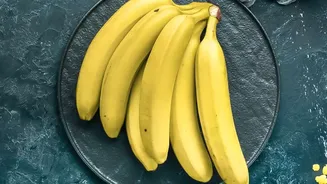
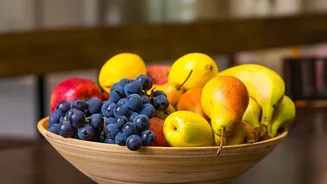
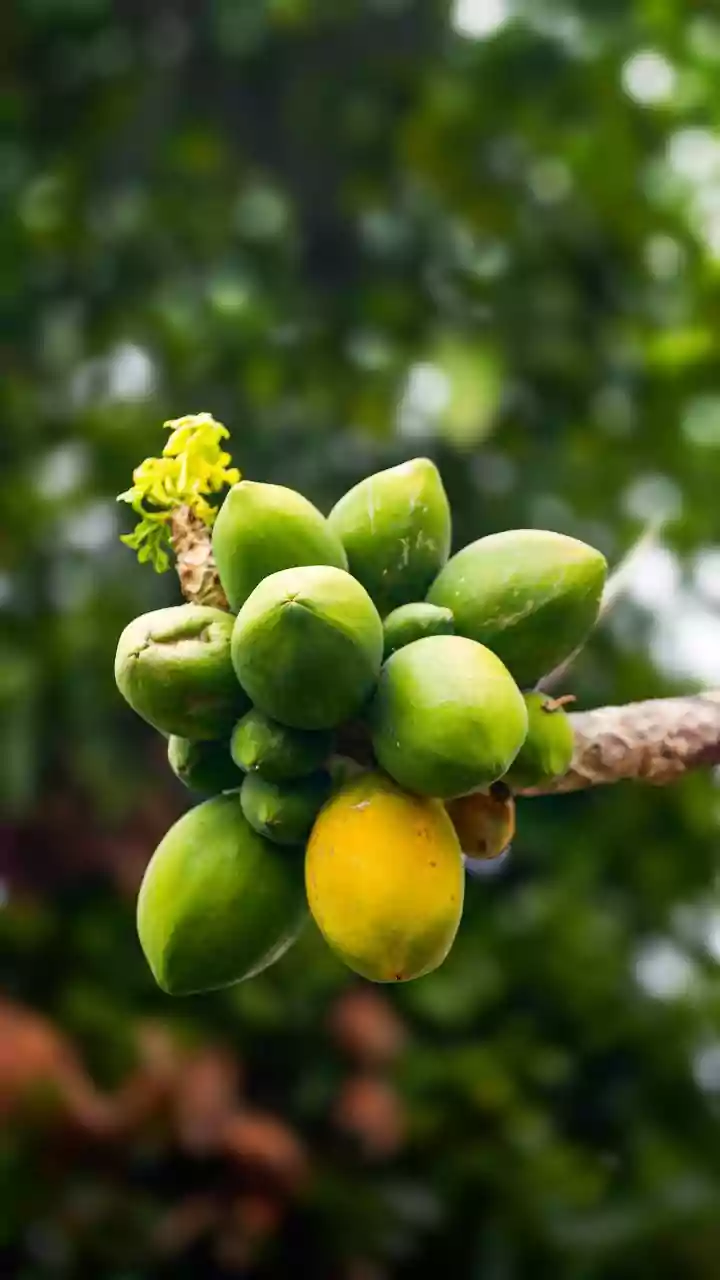
To understand the apple-and-banana effect, it's helpful to know about two types of fruits: climacteric and non-climacteric. Climacteric fruits are those that continue to ripen after being picked. They do this by producing a significant burst of ethylene gas. Apples, pears, peaches, avocados, and, importantly, bananas are all classic examples of climacteric fruits. In contrast, non-climacteric fruits like citrus, grapes, and strawberries do not ripen further once harvested. They produce very little ethylene and won't respond to it in the same way. This distinction is why you can buy green bananas and let them ripen on your counter, but a sour strawberry will always stay sour.
Why Apples Are Master Ripeners
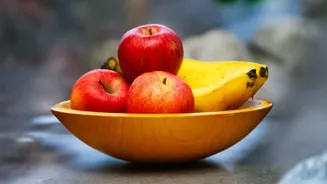
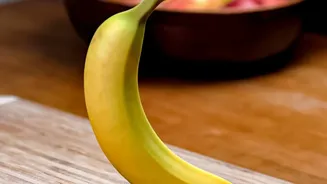
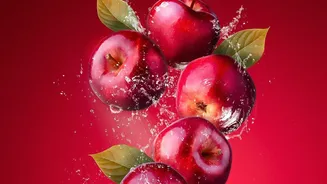
So, where do apples fit in? Apples are well-known for being prolific producers of ethylene gas. When you place an apple in an enclosed space, like your fruit bowl or a paper bag, that ethylene gas accumulates. Bananas are particularly sensitive to this external ethylene. When they detect the gas released by their apple neighbours, it jump-starts their own ripening process, causing them to soften and sweeten much faster than they would on their own. This is a chain reaction: as the bananas begin to ripen, they also start producing their own ethylene, further accelerating the process for themselves and any other climacteric fruit nearby.
A Dietitian's View on Ripening and Nutrition
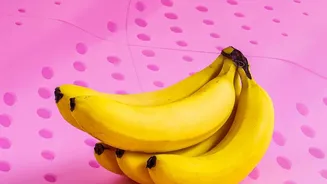
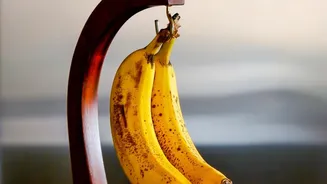
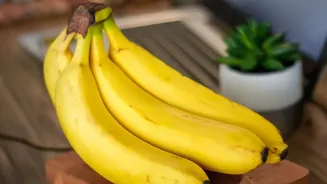
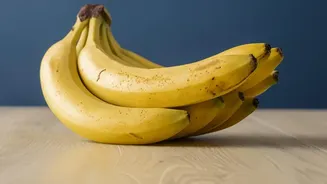
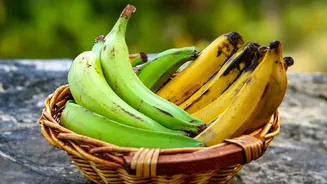
From a dietitian's perspective, the ripening process does more than just improve taste and texture; it changes the fruit's nutritional profile. As a banana ripens, its starch content decreases dramatically, converting into simpler sugars like fructose and glucose. A green, underripe banana is high in resistant starch, which acts like fiber in the body, supports gut health, and has a lower glycemic index. A fully yellow, ripe banana has a higher sugar content but also offers the most bioavailable micronutrients, like potassium and antioxidants. As it becomes overripe with brown spots, the sugar content is at its peak, making it perfect for baking, while the antioxidant levels also increase. There isn't one “best” stage to eat a banana; it depends on your health goals and taste preference.
Mastering Fruit Ripening at Home
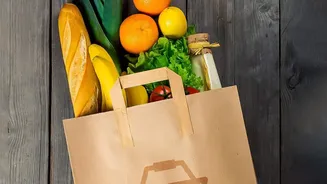
You can use this knowledge to become the master of your fruit bowl. To speed up the ripening of a hard avocado, stubborn pear, or green banana, simply place it in a paper bag with an apple for a day or two. The bag will trap the ethylene gas, creating a ripe-and-ready environment. Conversely, if you want to slow down ripening, do the opposite. Store your bananas away from apples and other ethylene-producing fruits. Separating fruits and even hanging bananas can help them last longer by allowing the gas to dissipate. Remember, this trick only works on other climacteric fruits like kiwis, mangoes, and tomatoes. Don't bother trying it with oranges or pineapples; they won't ripen any further once they've been picked.